
Mangosteen in Colombia, known as Garcinia mangostana, is cultivated outdoors under highly controlled conditions in favorable microclimates. Mangosteen is a tropical plant with very specific temperature requirements: it does not tolerate frost or temperatures below approximately 4°C, and grows optimally when the average temperature is between 24°C and 26°C, with tolerable extremes between 15°C and 40°C.
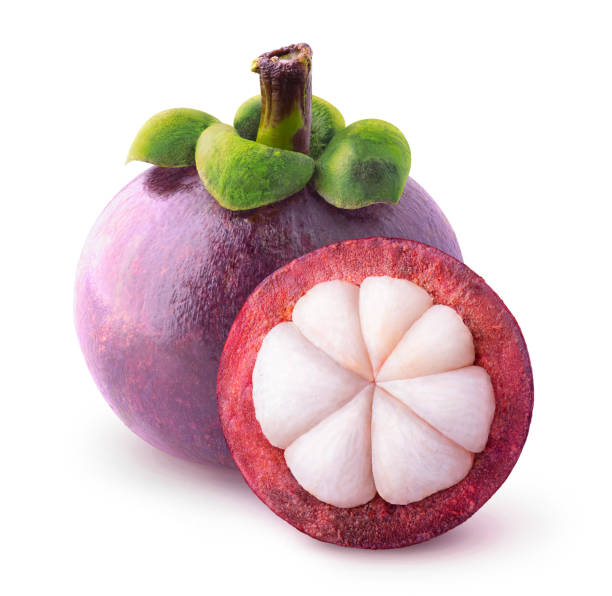
Mangosteen in Colombia, with irrigation optimized by Plantae probes
Humidity and temperature probes monitor mangosteen plantations in Colombia, promoting their cultivation.
- Mangosteen requires high and constant humidity, with abundant watering and a humid environment, and does not tolerate long periods of drought.
- The soil must retain moisture, but at the same time have good drainage; waterlogging is not beneficial.
- Very high temperatures, especially with low humidity, can also stress the plant: leaf loss, poor flowering, etc.
- Plantae has installed humidity and temperature sensors in several mangosteen plantations in Colombia. These monitor soil moisture at different depths to maintain a "wet bulb" adapted to the plant's root development.
- Farmers get water optimization, better irrigation distribution between sectors and real-time reading, which allows them to adjust irrigation according to real needs.
- Having an alert with Plantae probes will indicate if the plant is suffering from water stress, (for example, if the humidity drops too low, combined with high temperatures), so the farmer can intervene.
- In open-field cultivation, it is advisable to put down a plant cover (mulch) to conserve moisture and control weeds.
Mangosteen properties
The mangosteen, known as "the queen of fruits," is highly valued for its sweet and sour taste as well as its nutritional and medicinal properties.
Mangosteen contains more than 40 types of xanthones, which are polyphenolic antioxidants unique to this fruit. Xanthones neutralize free radicals and reduce oxidative damage in cells. Among the most studied are:
α-mangostin, is more potent than vitamin E in capturing free radicals.
γ-mangostin.
Gartaunona E.
Garcinia B and D.
In addition, it contains anthocyanins (natural pigments), catechins, and phenolic acids. These compounds have protective effects against oxidative stress and inflammation.
Mangosteen extracts inhibit pro-inflammatory enzymes (such as COX-2 and TNF-α).
It lowers LDL cholesterol and triglycerides, and raises HDL.
Its antioxidant action protects the endothelium (wall of the blood vessels).
In cosmetics, the peel extract is used for its antioxidant, antimicrobial and protective effect against free radicals.
Main mangosteen growing areas in Colombia
San Sebastián de Mariquita (Tolima) is one of the main mangosteen producing areas. It has a warm climate and slightly acidic soil.
Antioquia, Quindío, Valle del Cauca and Meta also have regions that allow the cultivation of mangosteen.
Sources
 English
  Spanish