
Research conducted by the International University of Malaga shows that agricultural productivity will be a key factor in feeding the world by 2050.
Agricultural productivity
Agricultural productivity is the yield of crops, and this increases with irrigation. To optimize water consumption, which will primarily be used for intensive and super-intensive crops, monitoring soil moisture and temperature with probes and sensors is essential. This will be the only way to meet the objectives set out in the European Green Deal.
Irrigation increases the quantity and quality of agricultural products, reduces dependence on rainfall, and extends planting and harvesting periods.
As the study conducted at the University indicates, the number of hectares under irrigation has tripled since 1950, leading to a considerable increase in freshwater consumption, which must be optimized.
Benefits of irrigation on agricultural productivity
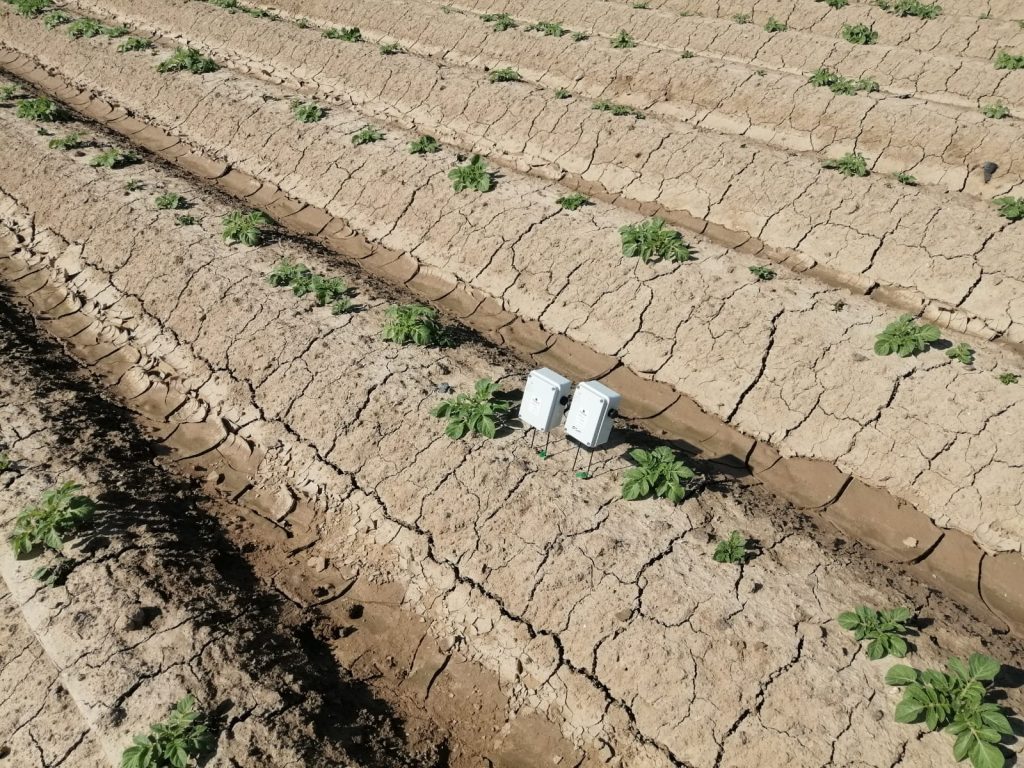
- Irrigated crops can produce up to twice as much or more than dryland crops.
- Crop variability caused by lack of rainfall is reduced.
- Los cultivos tienen un desarrollo más uniforme, lo que mejora calidad y su valor comercial.
- They can be grown several times a year on the same plot with intensive crop rotation.
- Arid lands that would otherwise be unproductive can be utilized.
- Fertilizers can be distributed through irrigation, so that they go directly to the plant.
Types of irrigation systems
Depending on the type of crop, terrain and climate, we must choose our irrigation system, because it directly affects the quality of the product and the distribution of water to the plant.
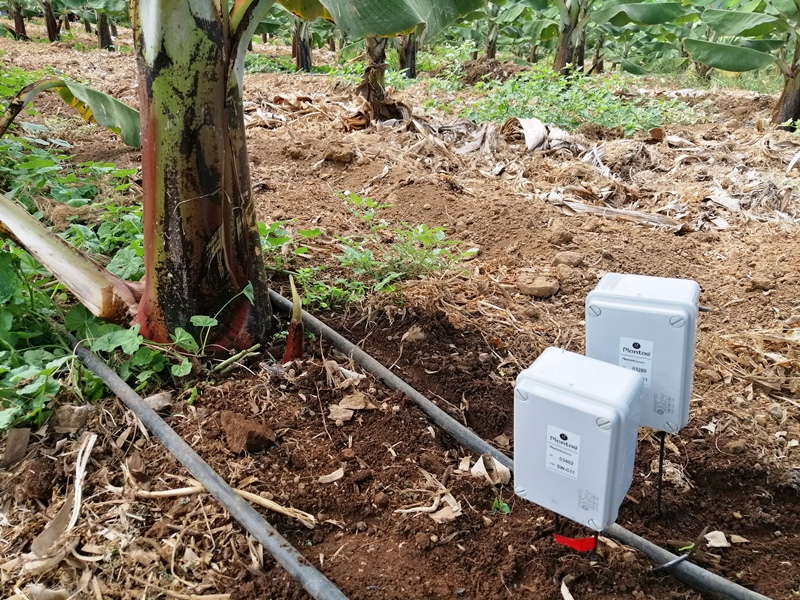
- Gravity or flood irrigation: This involves distributing water across the beds or over the entire crop surface. It is recommended for crops with water pipes from reserv
- Furrow irrigation: It is a surface irrigation with the characteristic that the terrain is undulating, forming channels to circulate the water that easily reaches the roots because the crop is in the upper part of the furrow.
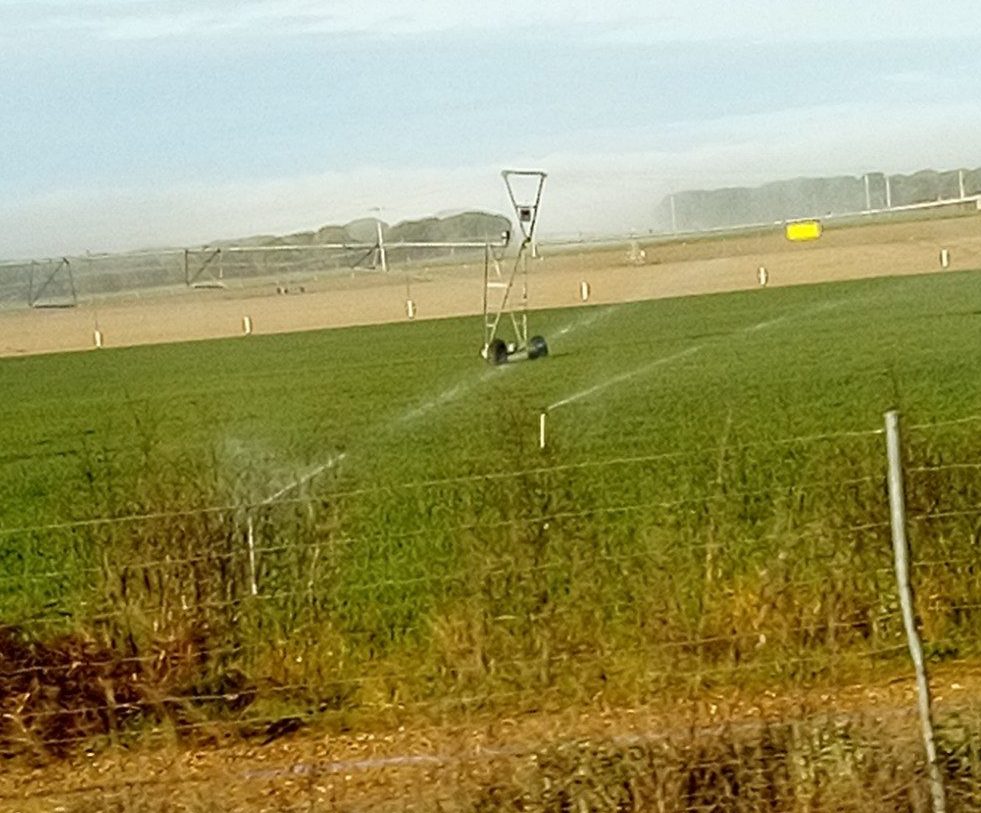
- Sprinkler irrigation: Simulates rain using fixed or mobile sprinkler systems. It is highly recommended for herbaceous plants.
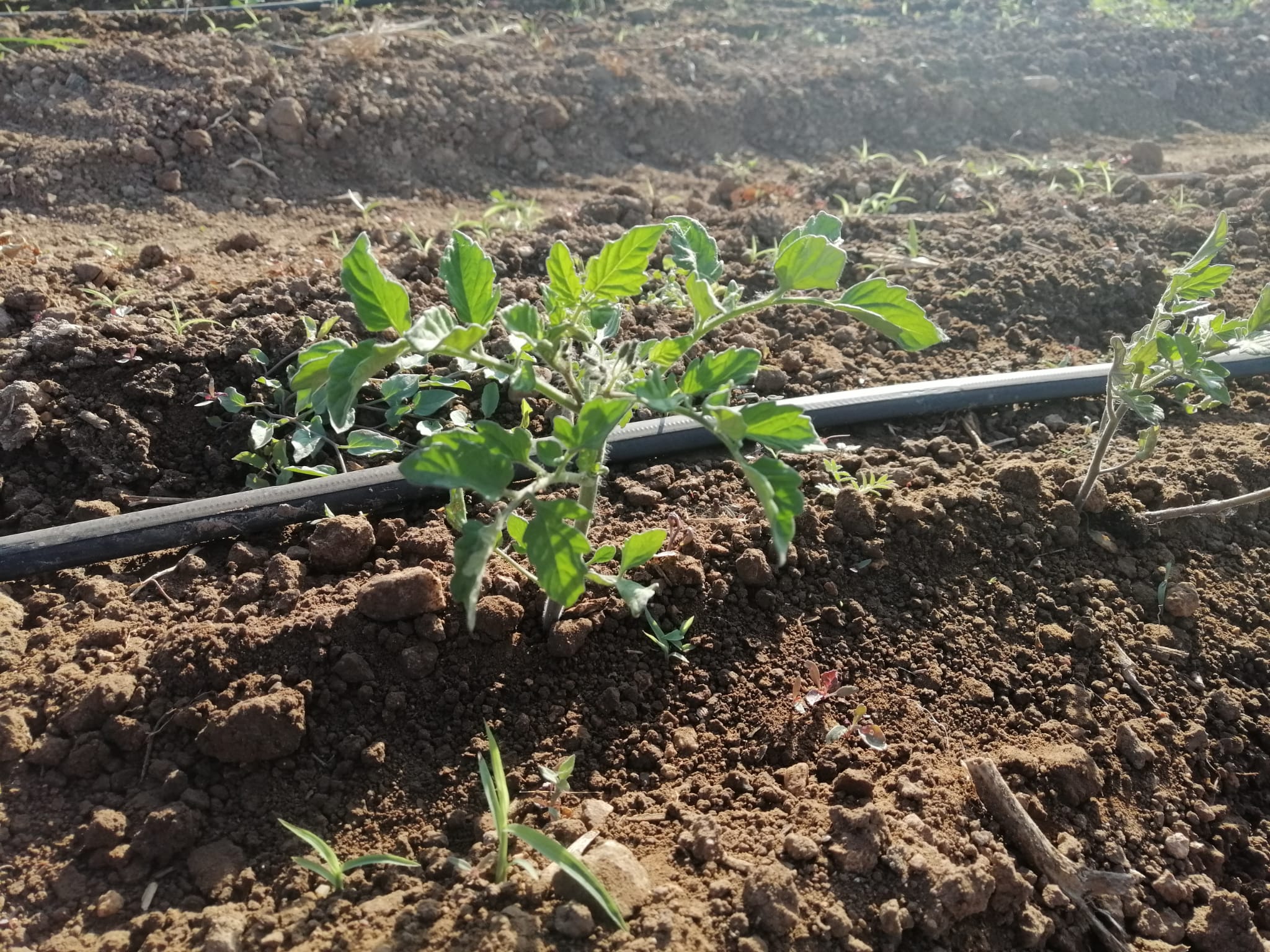
- Drip irrigation: Provides water directly to the crop roots, reducing waste and evaporation. It can be installed outdoors or buried underground to avoid problems with harvesting and crop maintenance machinery. It uses underground pipes to deliver water directly to the roots.
In any case, the humidity control that the crop needs optimized by probes, will be the best option to save water and energy, without harming production or quality.
Increasing agricultural productivity will be the key factor in feeding the world in 2050.
…”En términos de productividad cada hectárea ha multiplicado por 3 su eficiencia desde 1950, debido principalmente a los sistemas de cultivo, un manejo más especializado, y por la irrigación, que ha pasado de suponer en 1950 el 10%, a un 22% en la actualidad“…(+Info en Interempresas)
Sources
 English
  Spanish