
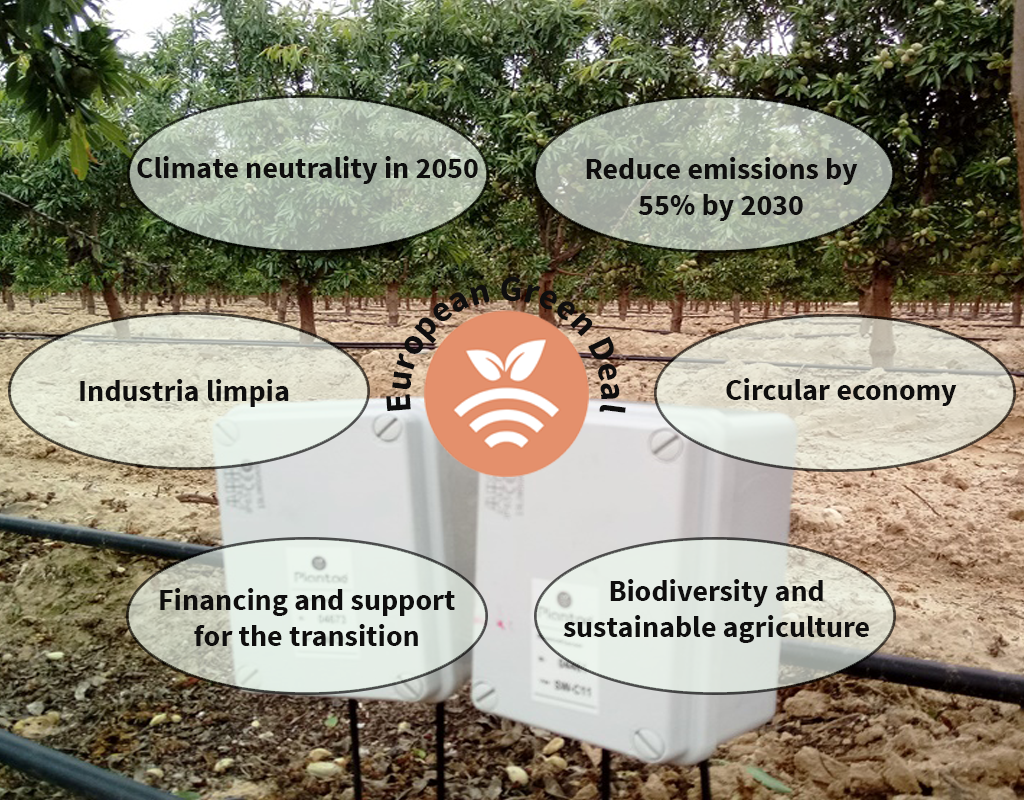
The European Green Deal is a European Union (EU) strategy to achieve climate neutrality by 2050. The best way to achieve this is through the implementation of agricultural and gardening strategies.
The goal is to achieve a balance between greenhouse gas (GHG) emissions produced and those removed from the atmosphere. It is also known as net-zero emissions or carbon neutral when specifically referring to CO₂ emissions.
It also promotes a sustainable economy, driving the transition to clean energy, energy efficiency, and the circular and green economy.
Objectives of the European Green Deal
- Climate neutrality by 2050: Reducing greenhouse gas emissions.
- Reduce emissions by 55% by 2030 (compared to 1990 levels).
- Clean industry: Promote sources such as solar and wind power, as well as improve energy efficiency in buildings and transportation with the use of electric vehicles and green mobility.
- Circular economy: Products are reused, repaired, and recycled, reducing waste and preserving resources.
- Biodiversity and Sustainable Agriculture: Protecting ecosystems, reducing pesticides, and adopting greener farming practices to protect the environment while producing healthy and affordable food.
- Financiación y apoyo a la transición: Creación del Mecanismo para una transición justa e inclusiva, ayudar a las personas a las que más afecta y no dejar a nadie atrás.
Plantae with the European Green Deal
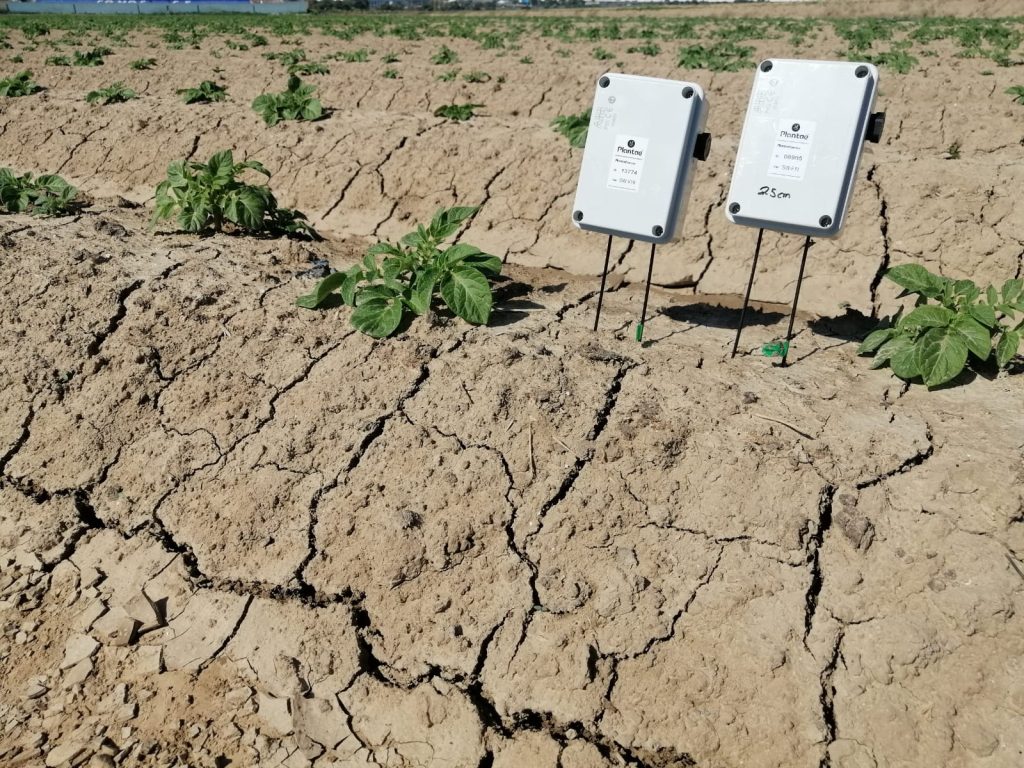
Plantae agricultural sensors play a key role in the European Green Deal, to achieve more sustainable agriculture, reduce its environmental impact and improve the efficiency in the use of pesticides and save water.
Optimize water use (precision farming)
- Soil moisture sensors aid decision-making by applying irrigation precisely, giving each plant the water it needs throughout its phenological stage.
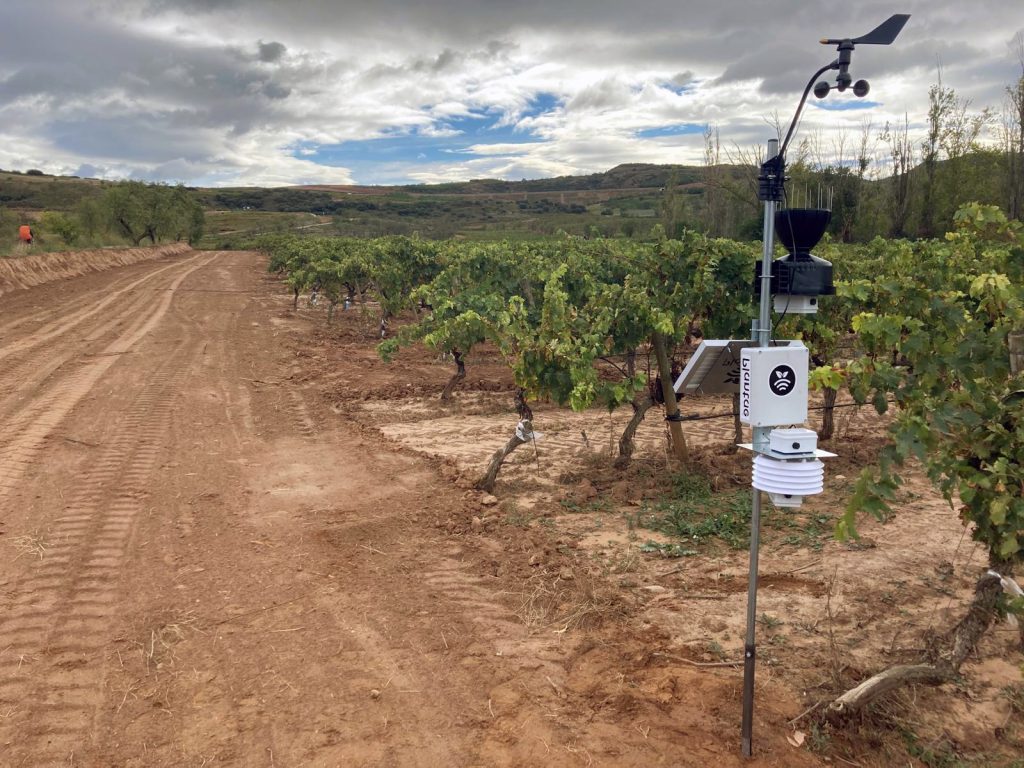
- Meto Plantae Station for predicting rainfall, relative humidity, and ambient temperature.
Reduction in the use of fertilizers and pesticides
- Soil temperature sensors optimize fertilizer application, preventing the presence of fungi and subsoil pests.
- Conductivity sensors to measure salinity, which negatively affects nutrient absorption.
Crop monitoring
- Drones and satellite images that detect nutritional deficiencies or water stress in plants.
Reduction of CO₂ and methane emissions
- Sensors for livestock farms that monitor greenhouse gas emissions.
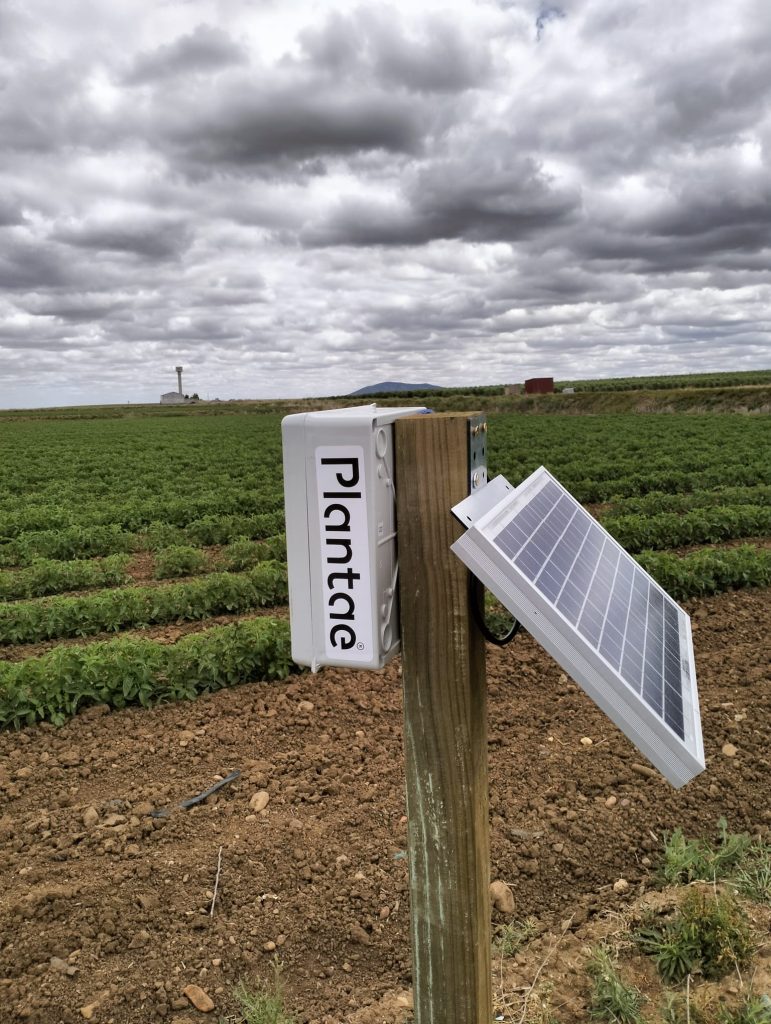
Hub with solar panel
All Plantae probes are wireless and send information to a solar-powered hub/receiver.
Sources
 English
  Spanish