
Many parameters are optimized with new precision agriculture technologies to improve crop quality, such as photosynthesis regulated with solar radiation sensors.
Phases of Photosynthesis
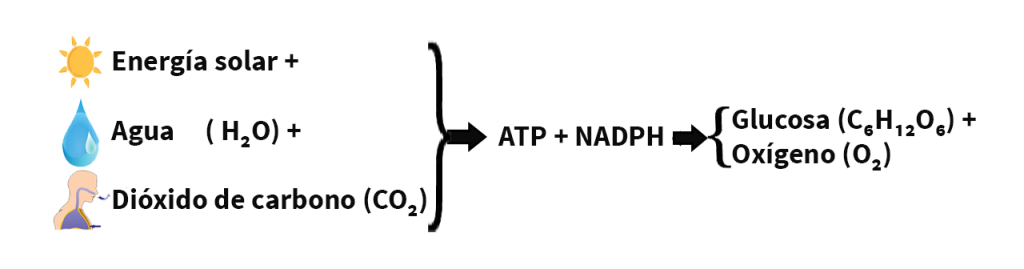
La fotosíntesis es el proceso mediante el cual las plantas, algas y algunas bacterias convierten la energía solar en energía química, produciendo oxígeno y glucosa a partir del dióxido de carbono y el agua.
Light phase
It is light-dependent and can be measured with the sensor de radiation solar.
- It occurs in the thylakoids, which are membranous, sac-like structures found within the chloroplasts of plant cells. They contain photosynthetic pigments, such as chlorophyll, that capture the energy from sunlight. The light phase of photosynthesis occurs in the thylakoids. They are essential for converting solar energy into chemical energy.
- Sunlight is captured by chlorophyll and used to break down water molecules (photolysis).
- Oxygen (O₂) is released and ATP (Adenosine Triphosphate) and NADPH (reduced Nicotinamide Adenine Dinucleotide Phosphate) are generated, it is a high-energy electron and proton transporter.
Dark Phase or Calvin Cycle
It is independent of light.
- It occurs in the stroma of chloroplasts.
- The ATP and NADPH produced in the light phase are used to convert CO₂ into glucose (C₆H₁₂O₆).
ATP and NADPH are essential for transforming light energy into chemical energy stored in carbohydrates. Therefore, measuring them with sensors helps farmers make decisions.
Importance of Photosynthesis
- Produces oxygen, essential for life.
- It is the base of the food chain.
- Regulates CO₂ in the atmosphere.
- It allows the production of biomass and food.
Solar radiation sensors to regulate photosynthesis
The solar radiation sensor Plantae measures the amount of solar energy that reaches the plant's environment over a given period of time.
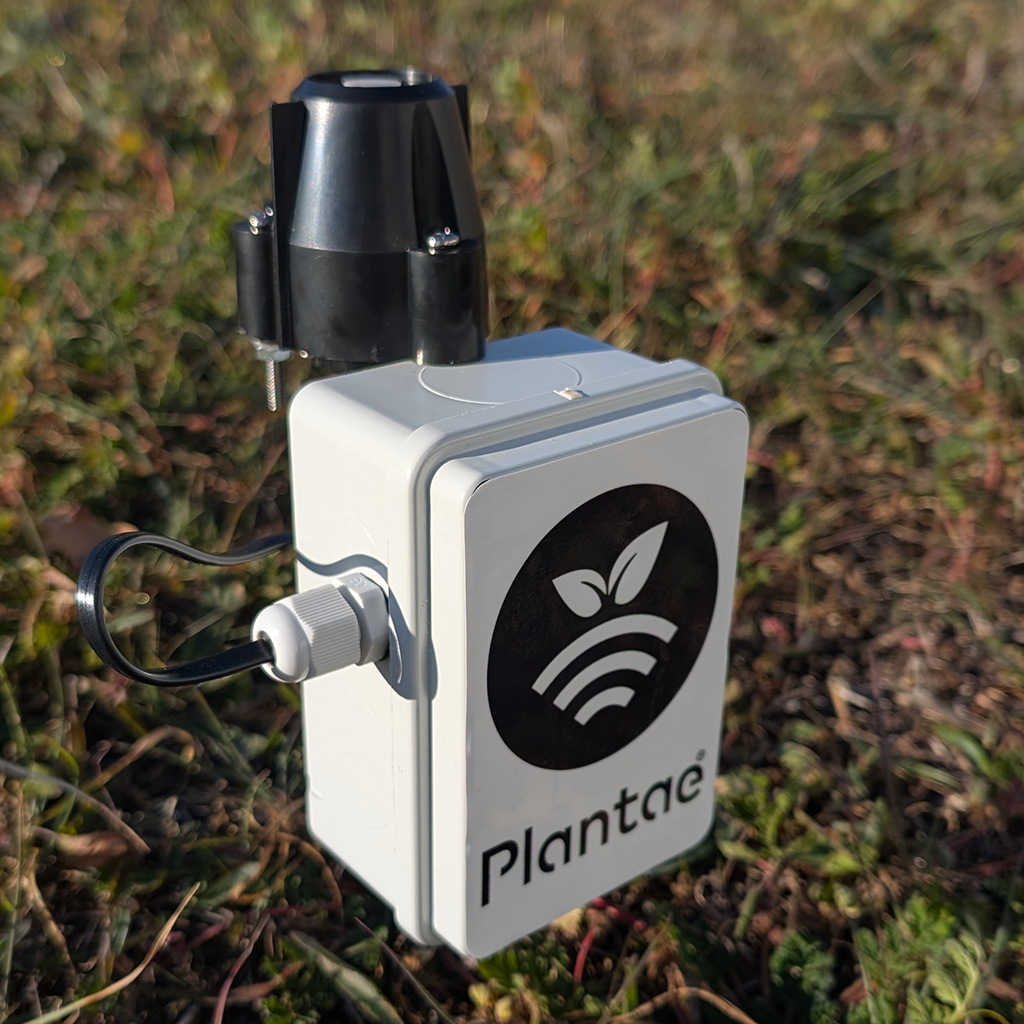
- It measures direct solar radiation with a cosine response and this tells us the light available for photosynthesis.
- It is oriented towards the sun with a solar tracker.
- Monitoring crop development based on light.
- Optimization of irrigation, fertilization, and plant growth, adjusted to crop demand.
- Climate management in greenhouses (shading and ventilation systems). Facilitates decision-making to ensure plant photosynthesis.
- Prediction of agricultural yield based on absorbed radiation.
Case study in a tomato greenhouse
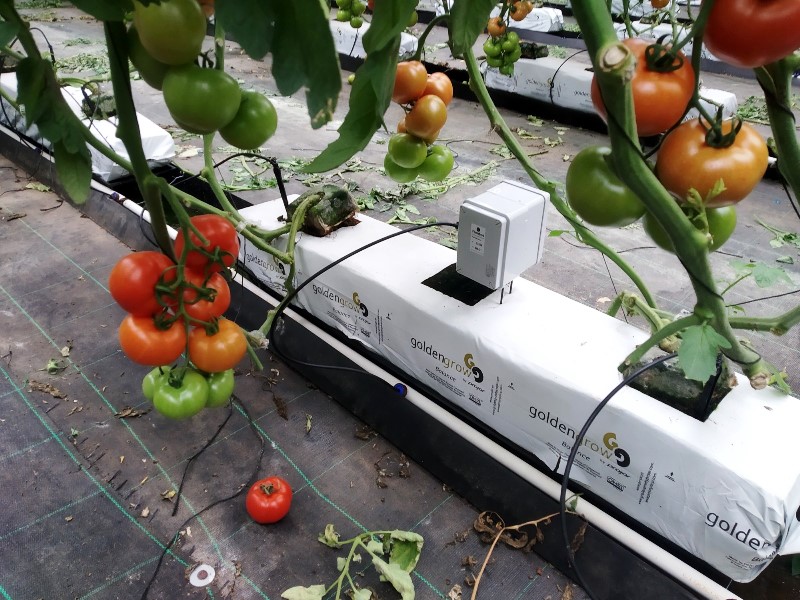
In a greenhouse tomato crop, a solar radiation sensor is installed that measures the amount of light useful for photosynthesis. The data is sent to a system that automatically adjusts the opening of windows or the intensity of supplemental LED lights, optimizing growth and reducing energy costs.
Sources
 English
  Spanish