
The solar radiation sensor, also known as a pyranometer or solar radiometer, is used to measure solar irradiance (W/m²) or accumulated energy (J/m² or Wh/m²) in real time.
Solar radiation sensor or pyranometer
The solar radiation sensor is not just a scientific instrument: it is a strategic ally for energy companies, smart agriculture, green urban planning and research centers.
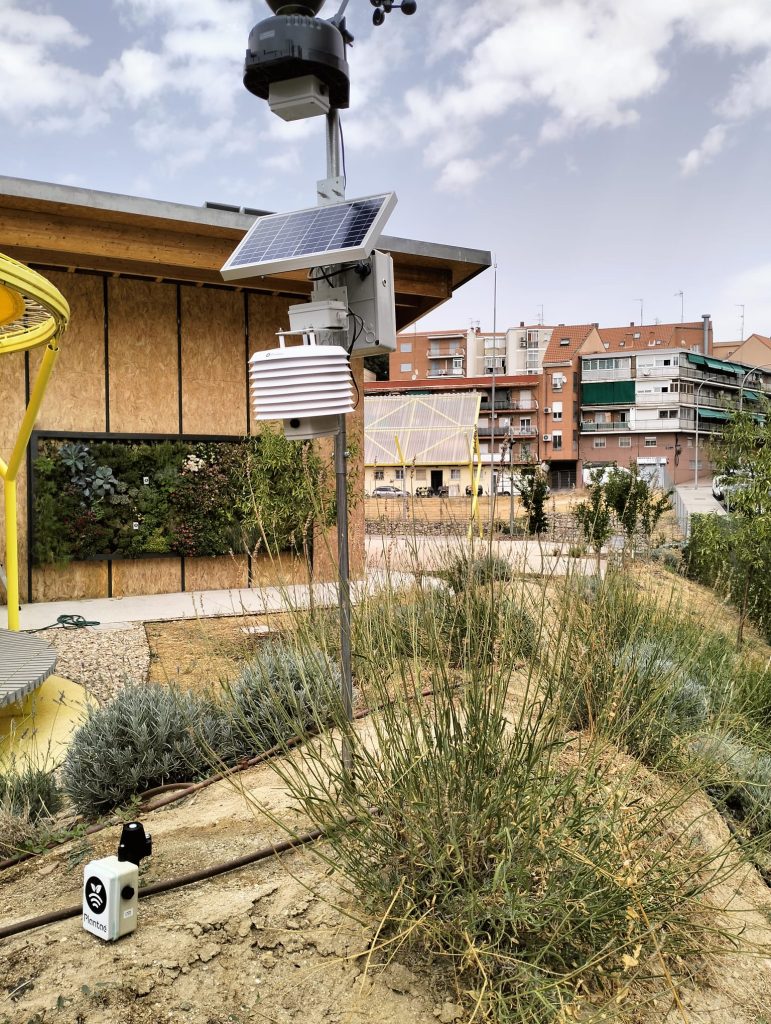
The Plantae solar radiation sensor can be installed independently or integrated into the Plantae Meteo station.
The sun is the primary source of energy for plant life. Knowing how much solar radiation a crop or garden receives is not just technical information; it is:
- Key information to optimize growth.
- It helps to optimize costs.
- Improve sustainability by optimizing the use of water and fertilizers.
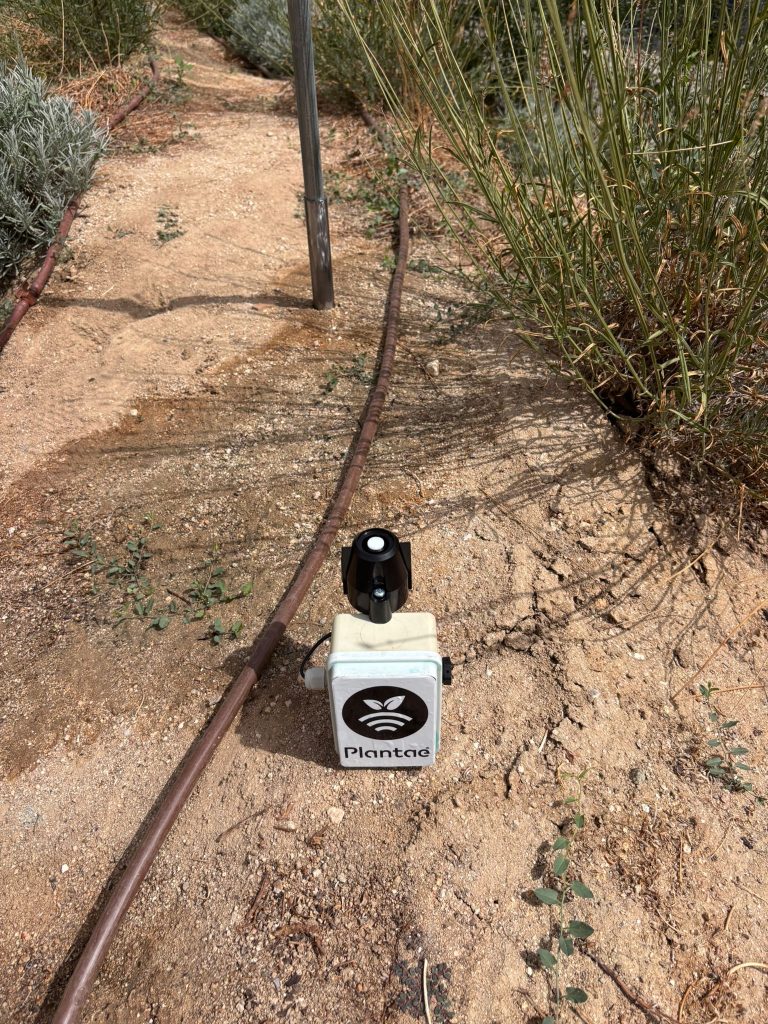
The solar radiation sensor measures the light incident on a surface in W/m² (instantaneous irradiance) and the energy accumulated over a period of time in J/m² or Wh/m², returning this data to the platform in real time.
Estos datos permiten tomar decisiones precisas en agricultura y jardinería, transformando espacios verdes en sistemas más productivos, saludables y eficientes.
By measuring in W/m² and J/m², it offers data that transforms sunlight into smart decisions, economic savings and environmental commitment.
The transition to a more sustainable world requires accurate data. One of the most important parameters is incident solar radiation, the amount of energy that reaches the Earth's surface and which determines both the efficiency of photovoltaic panels and the planning of energy, agricultural, and urban projects.
Applications in Precision Agriculture
Greenhouse management
- Control of curtain opening/closing according to received radiation.
- Optimization of supplementary lighting systems.
Irrigation schedule
- Adjustment of water volumes based on accumulated solar energy.
- Reduction of water consumption without compromising plant development.
Smart fertilization
- Relationship between radiation and plant metabolism to adjust nutrients.
- Improvement in the quality of fruits and leaves.
Crop selection
- Selection of species according to the solar potential of the land.
- Evaluation of shaded areas and optimization of planting design.
Applications in Gardening and Landscaping
- Diseño de jardines sostenibles
- Determinar la ubicación óptima de plantas según sus necesidades lumínicas.
- Aumentar la supervivencia de especies delicadas o de sombra.
- Cubiertas y muros verdes
- Controlar el balance energético en fachadas vegetales.
- Garantizar el crecimiento uniforme de especies en distintos niveles de luz.
- Espacios urbanos inteligentes
- Monitorización de radiación en parques y jardines públicos.
- Soporte a proyectos de urbanismo verde y ahorro energético.
Benefits of a Plantae solar radiation sensor
- Accuracy and reliability in measurements under different conditions.
- Real-time data, accessible from any device, mobile or PC.
- Intelligent connectivity (IoT) for integration with energy analysis platforms.
- Durability and resistance to adverse weather conditions.
- Scalability, from domestic installations to large solar parks.
The solar radiation sensor becomes a strategic ally for farmers and gardening professionals. With it, the management of crops, greenhouses, and gardens shifts from an experience-based practice to a process supported by scientific data.
Sources
 English
  Spanish