
Cotton is grown in Andalusia in almost all provinces, but especially in Seville and also a small percentage in the Region of Murcia. In this article we will assess the importance of growing cotton in irrigated land and controlled by probes.
Cotton cultivation in Andalusia
Cotton is obtained from the seeds of cotton plants, which belong to the genus Gossypium and belong to the Malvaceae family, native to tropical and subtropical regions.
Cotton cultivation is based on a series of agronomic principles and practices to achieve healthy plant growth and obtain good fiber production.
Selection of varieties:
We must select cotton varieties adapted to the climatic conditions, soil type and diseases present in the region. Characteristics such as resistance to pests and diseases, fiber yield, precocity, among other factors, must be considered.
Soil preparation:
The soil must be properly prepared before planting cotton. This includes tasks such as plowing, leveling and weeding. Proper soil preparation promotes soil structure, facilitates good nutrient uptake and plant rooting.
Sowing:
Cotton is planted by direct seeding or by furrow seeding. Specific recommendations for planting depth and plant density per hectare should be followed, depending on the variety and local conditions.
Fertilization:
Cotton has high nutrient requirements for healthy growth and good fiber production. Soil tests should be performed to determine fertilization needs and apply the necessary nutrients, especially nitrogen, phosphorus and potassium, in the appropriate amounts and times.
Water management:
- During germination and the early stages of growth, it is important to keep the substrate constantly moist. This helps ensure that the seeds germinate and the seedlings become properly established. Waterlogging should be avoided, as excess water can cause root rot.
- During growth we should reduce watering, cotton plants grow and develop a more extensive root system, and low humidity promotes deeper and stronger root growth. The frequency of watering will depend on factors such as climate, temperature and soil type.
- Sensor-controlled water stress helps to form longer and stronger cotton fibres.
- Humidity control with probes is essential for the formation of cotton buds, and it is important to maintain a constant supply of water. Periods of drought at this stage can negatively affect the production of buds and the quality of the fiber.
As cotton bolls develop and mature, irrigation frequency can be gradually reduced. This can help improve fiber quality and prevent boll rot problems.
Irrigation should be programmed and applied efficiently, avoiding water stress and excess water in the soil. Drip irrigation is an option used for cotton cultivation due to its precision and efficiency in water use.
90% of cotton crops in Andalusia are irrigated, using furrows, sprinklers or localized drip irrigation. (++Information on irrigation systems).
Furrow irrigation is good if there are no uneven ground. It has the disadvantage that it may not reach all plants equally.
Sprinkler irrigation is not the most appropriate due to the displacement of the sprinklers.
The most convenient is drip irrigation, more localized and with less evaporation.
Pest and disease management:
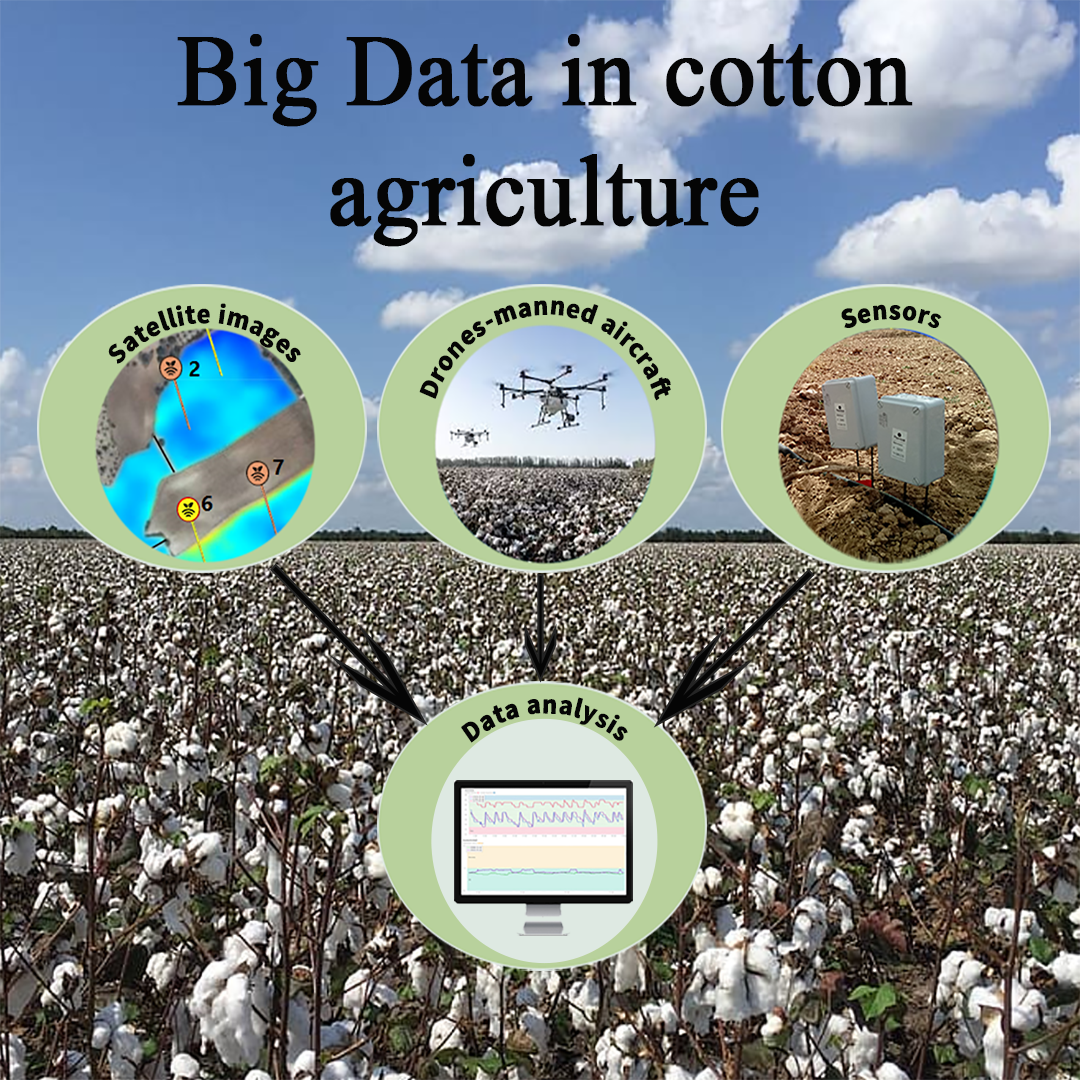
Cotton is susceptible to a variety of pests and diseases that can affect yield and fiber quality. An integrated pest management program should be implemented that includes preventative practices, regular monitoring, early identification of problems, and the application of appropriate control measures, such as the use of selective and biological insecticides.
Weed control:
Effective weed control is essential in cotton cultivation, as competition with weeds can reduce yield and fiber quality. Integrated weed control methods should be used, which include a combination of cultural practices, such as crop rotation and row planting, along with the selective use of herbicides.
Monitoring and follow-up:
It is important to regularly monitor cotton plants to detect early problems such as diseases, nutritional deficiencies or the presence of pests. This allows for prompt and appropriate measures to be taken to avoid production losses and maintain plant health.
The growth of cotton in Andalusia is directly proportional to:
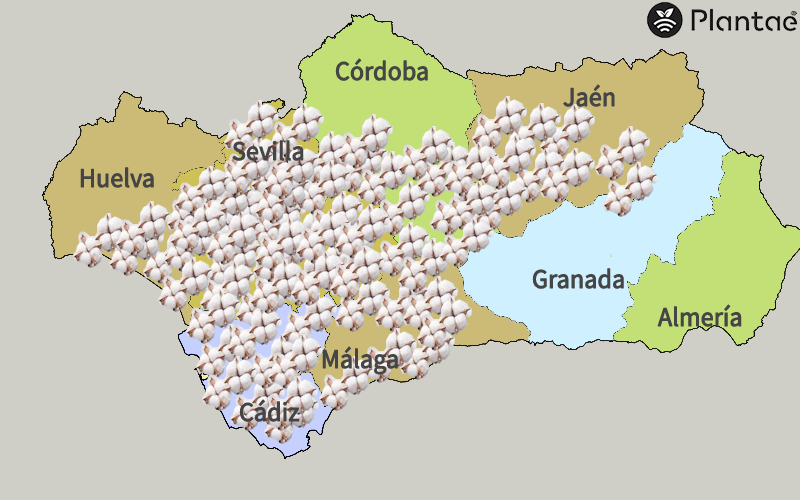
- The temperature is guaranteed to range between 14 and 30 degrees throughout the southern area.
- The hours of sunshine.
- Nitrogen contribution that we must control and provide if necessary.
- And to the water provided, at all times the water that the plant needs.
Sensor-controlled irrigation in cotton cultivation is an advanced precision agriculture technique that allows for optimizing water use and improving crop efficiency.
For more information, visit the following link: :Cotton moisture control with Plantae probes.
Sources:
 English
  Spanish