
Las regiones de Murcia y Andalucía siguen apostando por optimizar el riego con nuestros “Sensores en pimientos”.
Los pimientos de Murcia son conocidos tanto por su consumo en fresco como por la especie del pimentón. Los pimientos dulces de la variedad “bola” dan lugar a la denominación de origen “pimentón de Murcia”, polvo seco utilizado como condimento, muy apreciado en la dieta Mediterránea.
The other province that stands out in the production of peppers is Almería.
Importance of Probes / Sensors in Peppers- When and How to Water Peppers
The pepper is grown from the transplant of the little plant from a nursery annually. Its characteristics depend on the way of growing it and the climatic conditions.
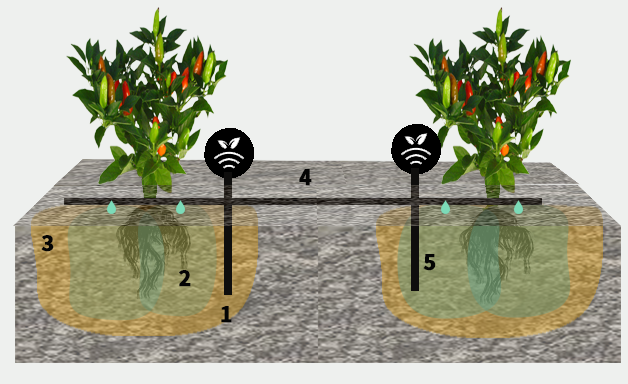
Irrigation control with humidity sensors is essential for what we highlight below:
- Root system voluminous and deep.
- It has a main taproot from which other lateral and quite abundant branches branch.
- The ideal terrain is sandy loam.
- It tolerates salinity in a moderate and controlled way.
- It needs a lot of light .
- It must have a significant supply of nitrogen .
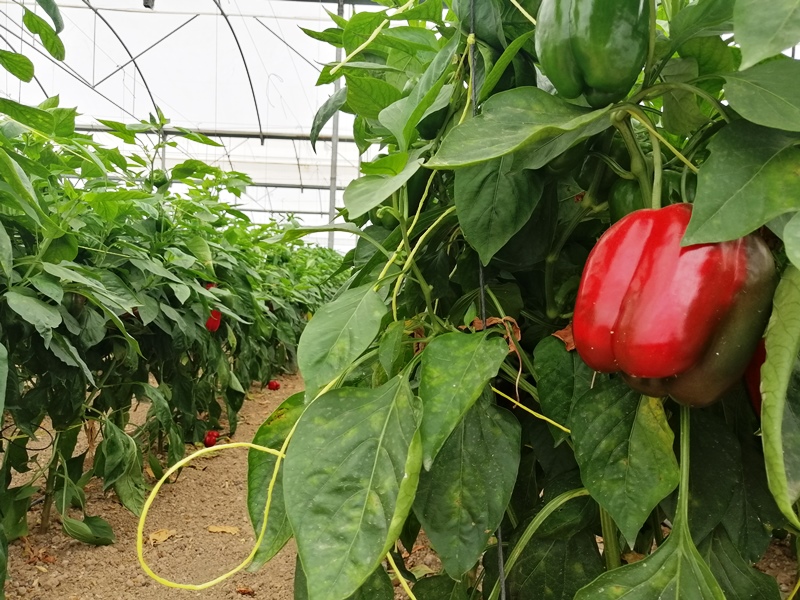
- It needs a lot of water and the control with sensors in peppers is essential for the quality of the fruit and for the quantity.
- drip irrigation controlled reduces salinity and avoids water stress.
Varieties of peppers
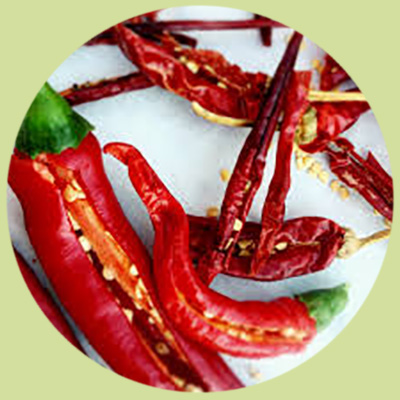
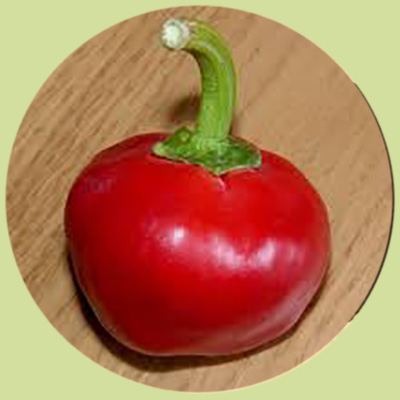
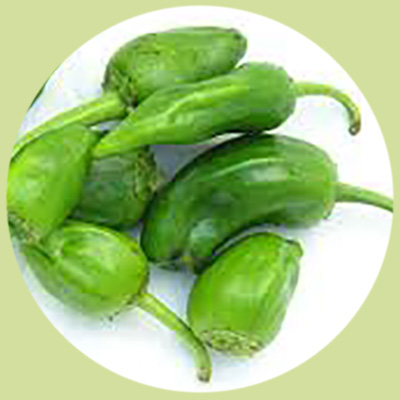
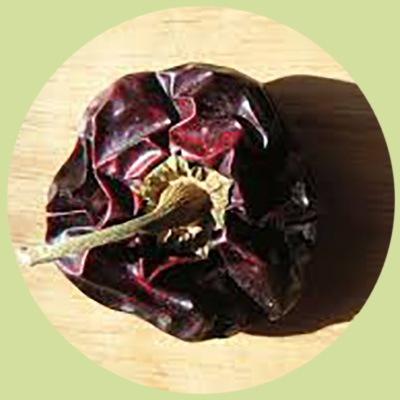
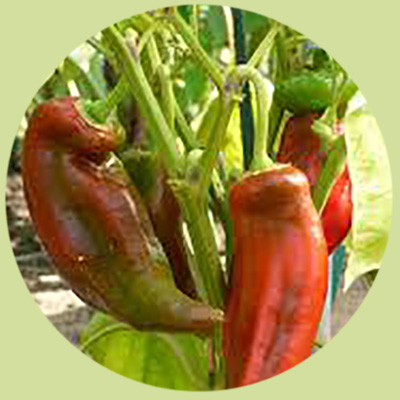

Denominación de origen “pimentón de Murcia”
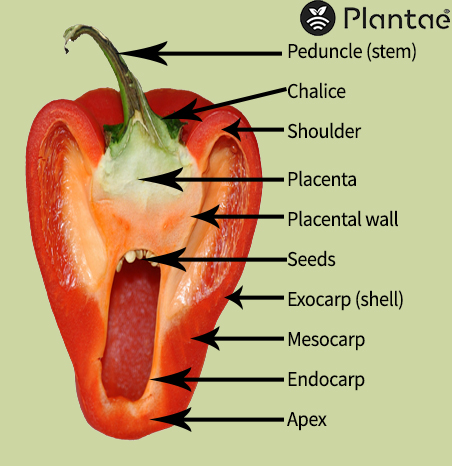
They are sweet, light and semi-fleshy with abundant seeds and a green peduncle. They have a strong odor and a fatty component.
Las regiones productoras del “pimentón de Murcia” son las que indica el mapa siguiente:
Importance of pepper in diet
The contribution of vitamins and minerals of the pepper is very important.
One of the most important characteristics is the contribution of vitamin C and A . But it also highlights vitamin E and B6, B3, B2, B1 and folic acid.
Also minerals such as calcium, phosphorus, magnesium and many carbohydrates.
Also antioxidant power and low in calories.
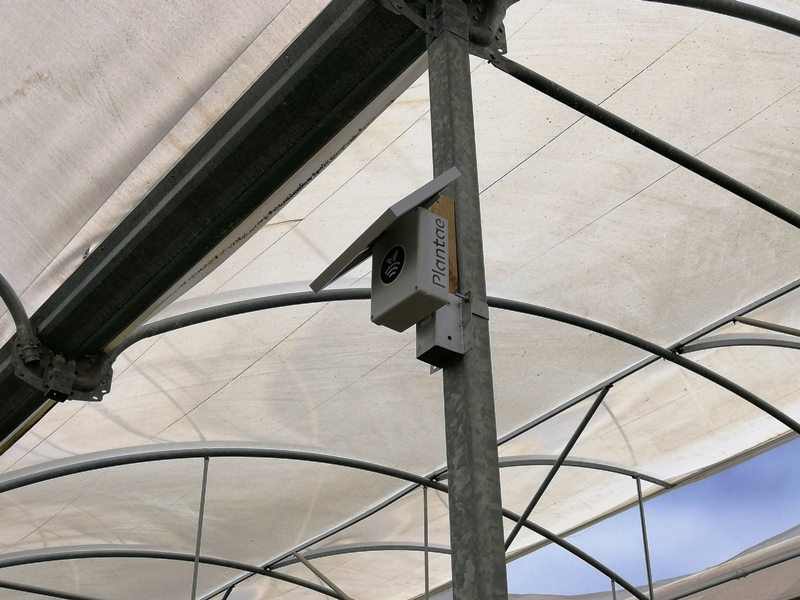
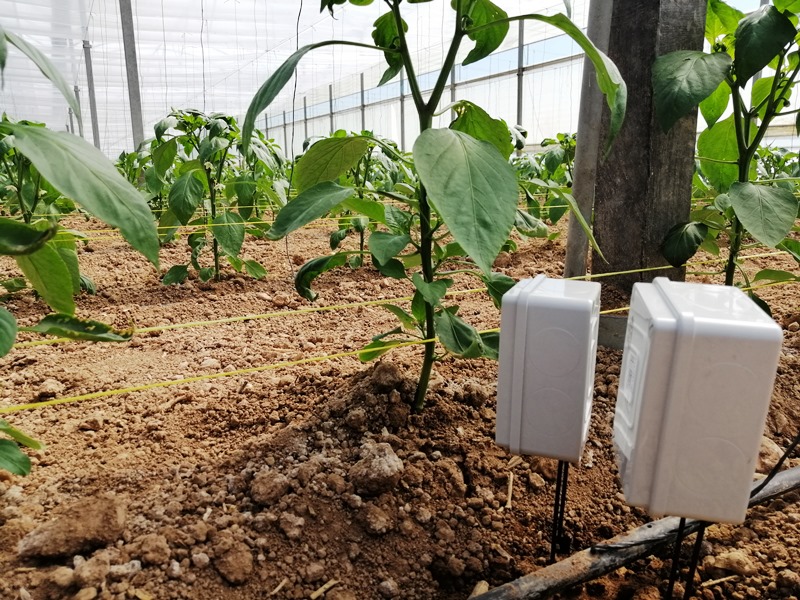
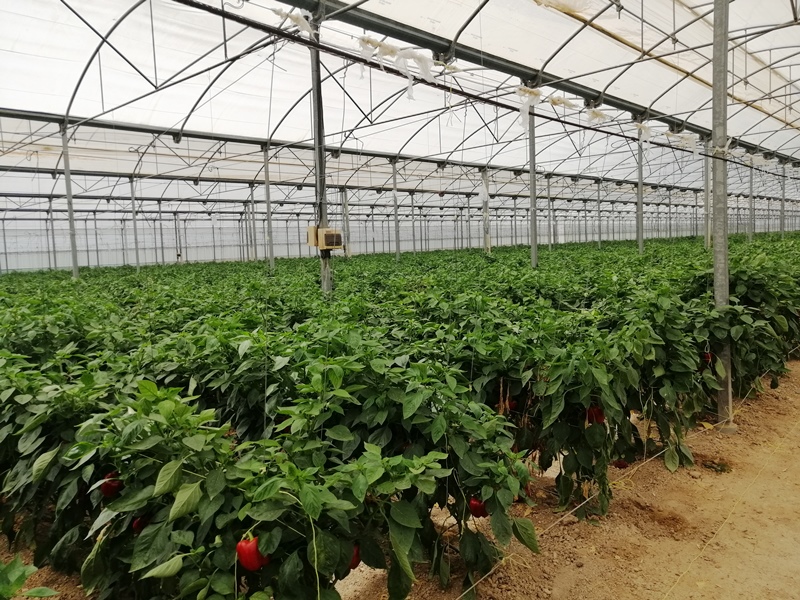
The sensors are installed near the wet bulb of the drip zone but the farmer can measure different zones according to his interest. The depths they cover are 15cm and 30cm to analyze in detail how irrigation behaves and thus optimize resources.
 English
  Spanish