
Pesticides, while useful for agricultural production, profoundly alter the soil microbiome and its ecological functions, even far from the fields where they are applied. Monitor your crops with sensors.
Agricultural and natural soils are teeming with microscopic life (fungi, bacteria, nematodes, protists) that form an essential ecosystem for functions such as:
- Water and nutrient cycles.
- Decomposition of organic matter.
- Carbon sequestration.
- Nitrogen fixation.
Pesticides present in most soils
A study published in Nature detected pesticide residues in 70% of European soils, including cultivated fields, forests and meadows.
This means that they not only reach where they are applied, but are distributed by air, water or dust, contaminating areas far from their origin.
Impacts on soil life and functions
Pesticides not only eliminate pests, but also:
- They reduce the abundance and diversity of soil microorganisms.
- They affect essential functions such as nitrogen fixation or nutrient recycling.
- Beneficial fungi such as mycorrhizae decrease.
- They can persist in the soil for years or even more than a decade.
These effects can degrade soil health, fertility, and the ecosystem's ability to support crops and biodiversity.
Plantae sensors and intelligent pesticide control
Reducing the impact of pesticides does not mean eliminating them completely (their use is still common in agriculture), but rather optimizing and controlling how they are applied. This is where sensor technologies and smart management come in.
Sensors for measuring waste
- The detection technology allows for the detection of specific residues such as herbicides or insecticides in soil or water, even at low levels.
- This can serve to alert farmers and environmental officers when levels exceed safe thresholds, helping to decide when to reduce or stop application.
Targeted or variable application
- Precision spraying systems, including drones or robots, can apply pesticides only where there are pests, reducing the total amount used.
- The use of artificial vision and real-time sensors allows the dose to be adjusted according to the actual presence of weeds or pests.
Data-driven agriculture
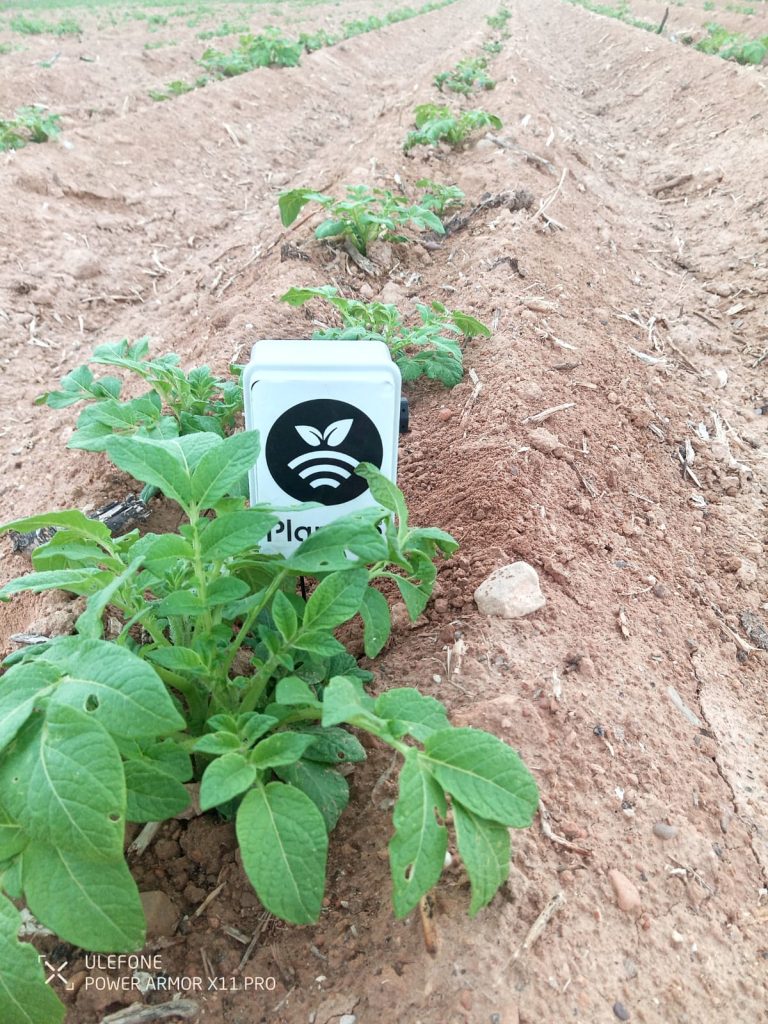
- Sensors for humidity, soil temperature, conductivity and crop status combined with intelligent models allow for anticipating pest outbreaks and applying only when necessary (not preventively).
- These systems can be integrated into digital platforms that recommend optimal doses and application times, reducing overuse.
Complementary strategies
In addition to sensor-based application control, other practices can reduce dependence on pesticides:
- Cover crops or crop rotation that strengthen soil life.
- Biological control (use of beneficial organisms).
- Improving soil structure and organic matter to increase ecosystem resilience.
Sources
 English
  Spanish