
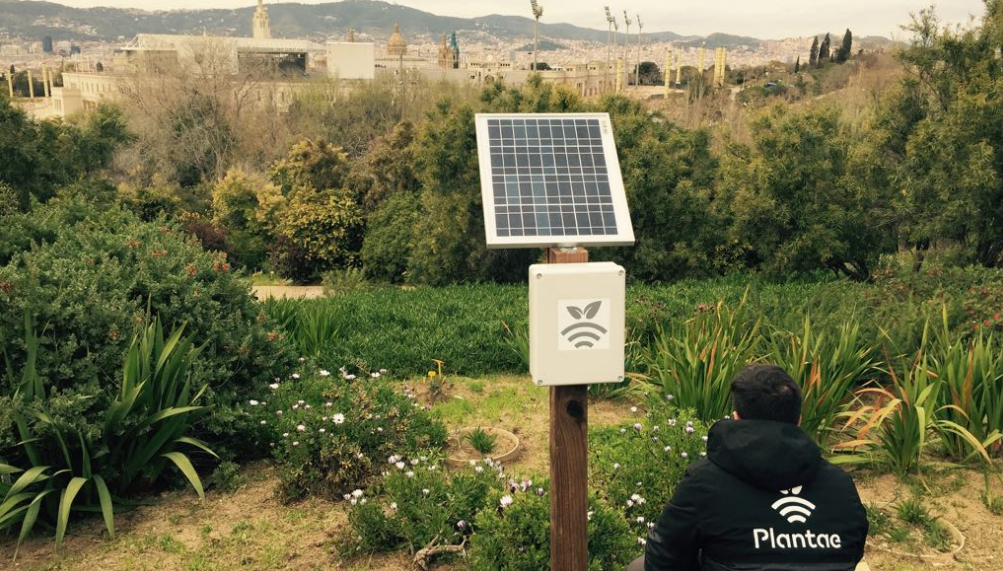
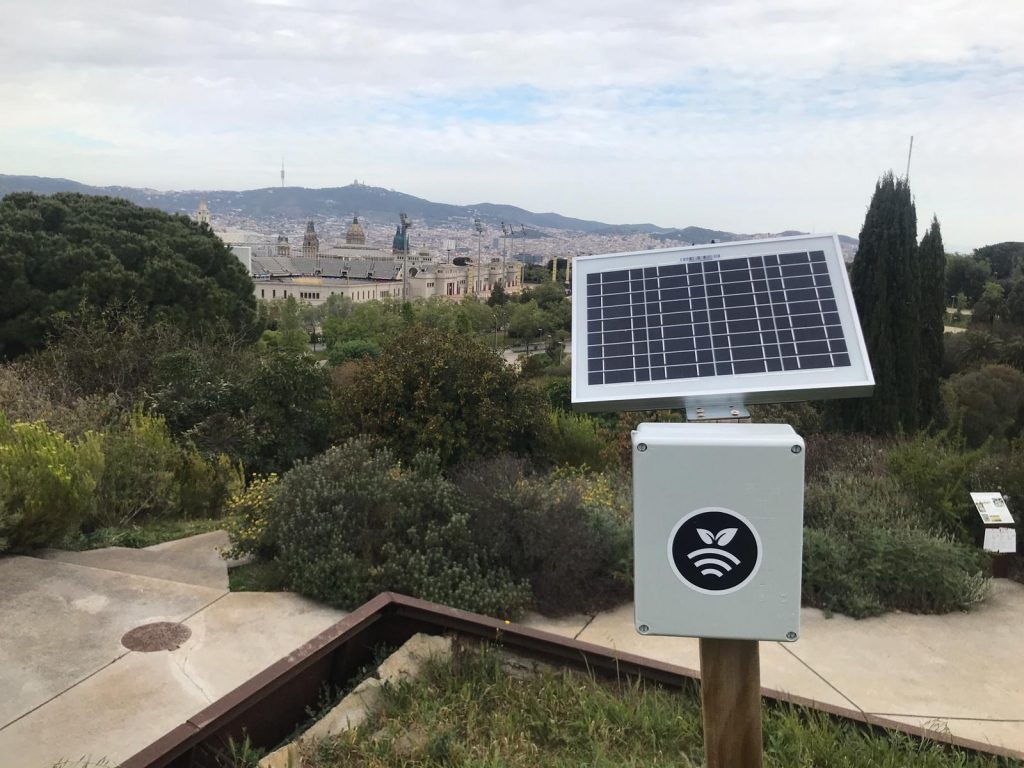
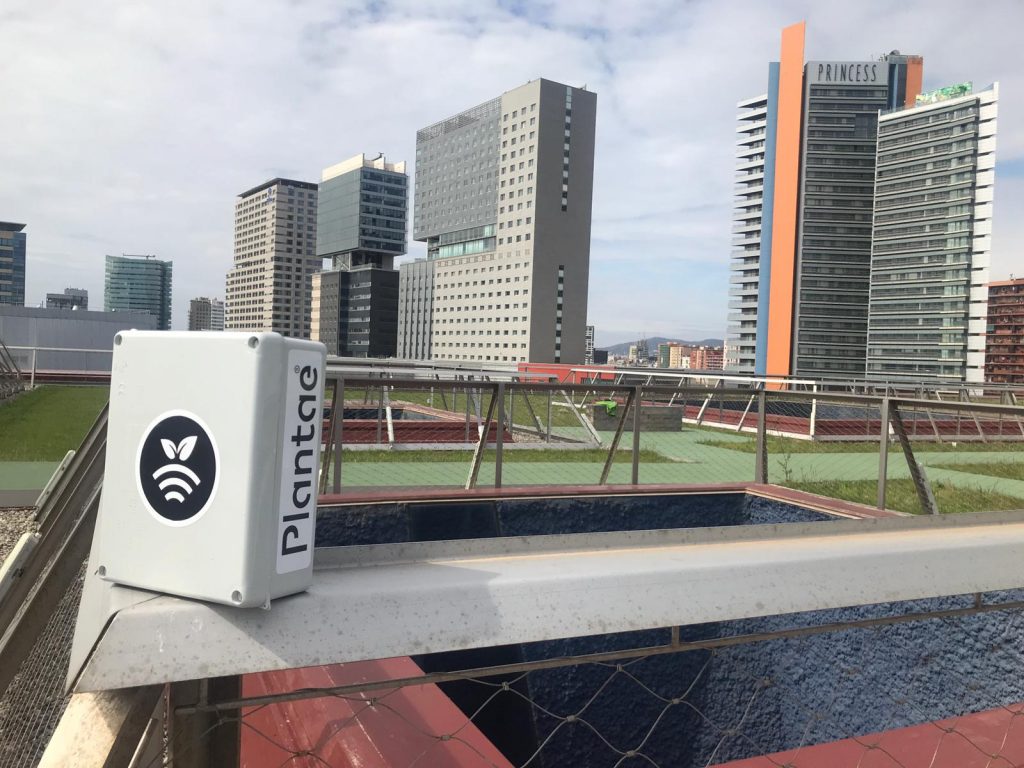
Our humidity sensors adapt to all types of installations, as proven by the Montjuic Botanical Garden which uses our technology for various types of plants.
The garden is spread over 14 hectares of land within the Montjuic Park.
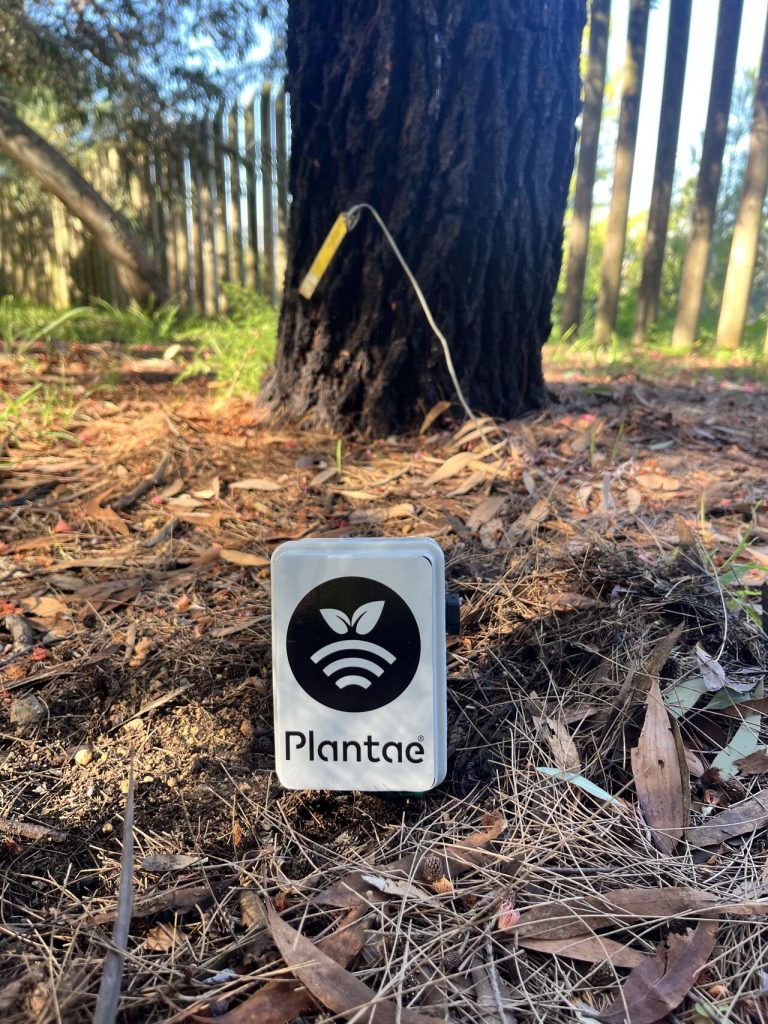
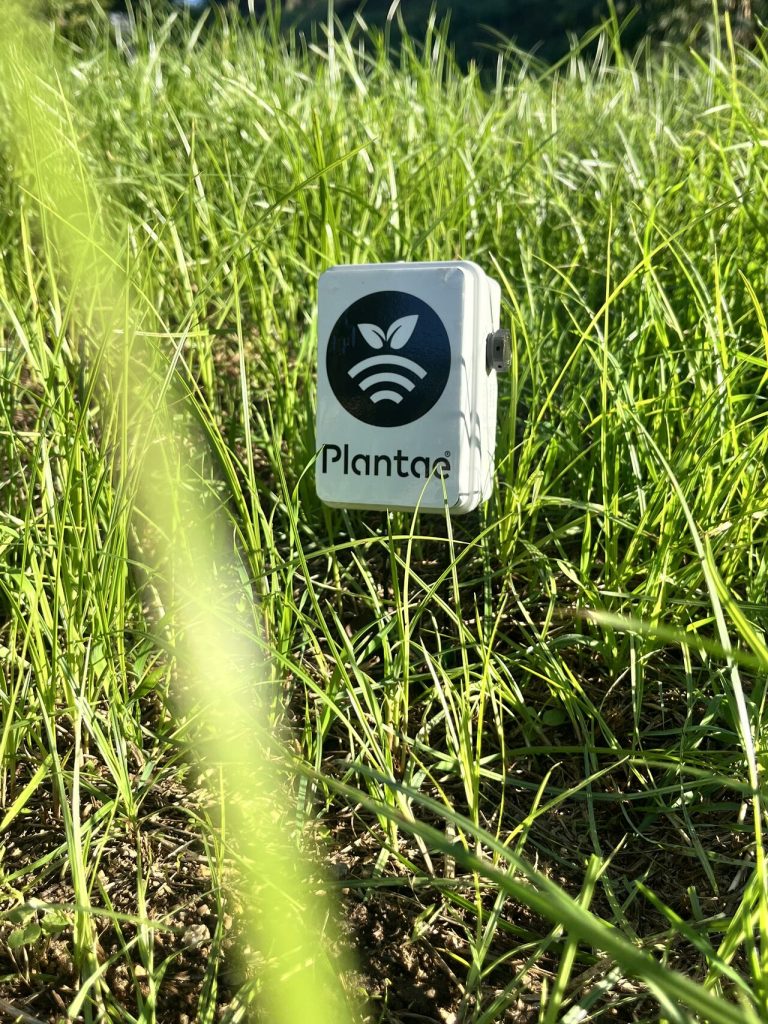
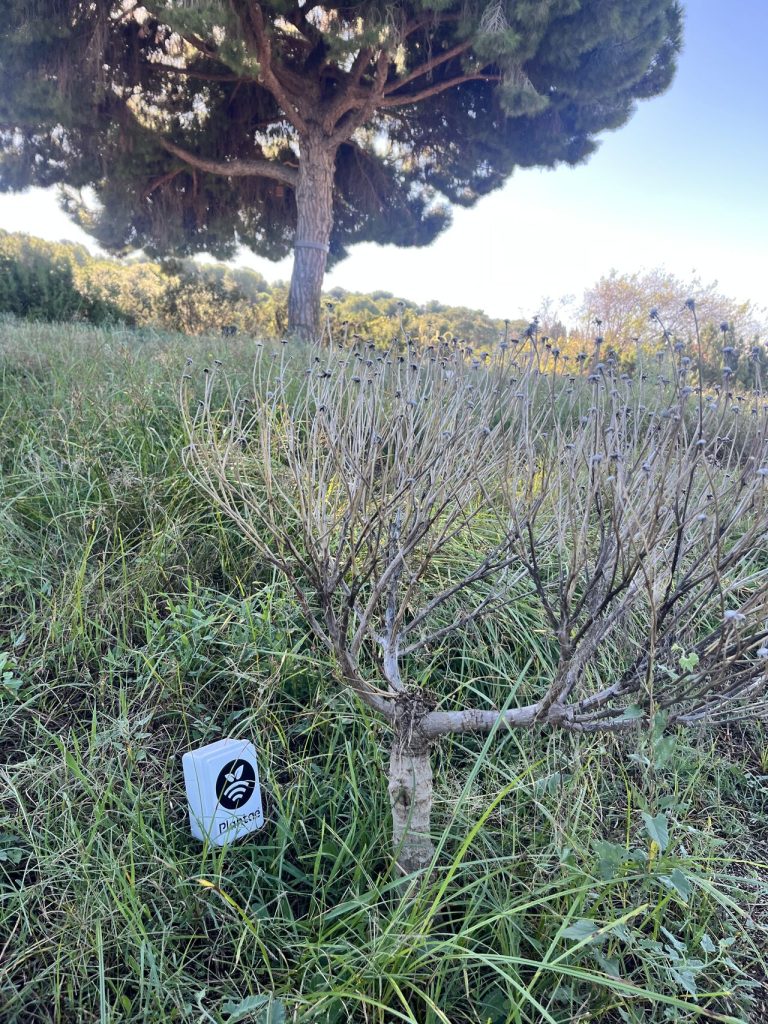
October 2025 at the Botanical Garden in Montjuic
The Plantae team, in collaboration with ENERGOW Impact, has installed probes in the Barcelona Botanical Garden, expanding the sensor network to improve irrigation control and management. We also conducted a training and maintenance session, ensuring that staff can make the most of the implemented technological tools. It continues to evolve its products and software, focusing on greater efficiency and responsible water use, values we at Energow fully share.
We continue to drive technological solutions that combine innovation, sustainability, and knowledge, because we believe the future is built with concrete actions.
Update of humidity and temperature sensors in April 2021
After obtaining magnificent results in controlling the humidity and temperature of the soil in the gardens, we expanded the control areas with probes at different depths, depending on the root system of the plants and the amount of humidity they require.
Parts of the botanical garden
Most of the species run through a sample of Mediterranean climate plants.
The Mediterranean climate is not exclusive to the Mediterranean Sea environment.
It is characterized for a long and quite dry summer, mild winters with average temperatures and rains in spring and autumn.
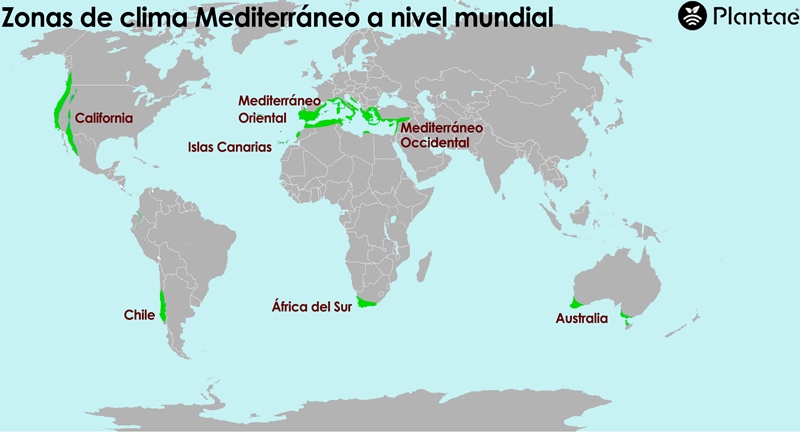
This type of climate is found in different areas of the planet, which are represented in the Montjuic Botanical Garden:
- Canary Islands.
- South Africa.
- Australia.
- Chile.
- California.
- Eastern Mediterranean.
- Western Mediterranean.
The highlight is the variety of plant species from different parts of the world. Very pleasant walk for a different approach to the diversity of nature.
A visit in spring is recommended with the plants in bloom and the different shades of colors that we can see.
Control of the different areas of the botanical garden
Not everything needs the same irrigation, it depends on the species that we find:
- Trees and palms with deeper roots and deeper sensors.
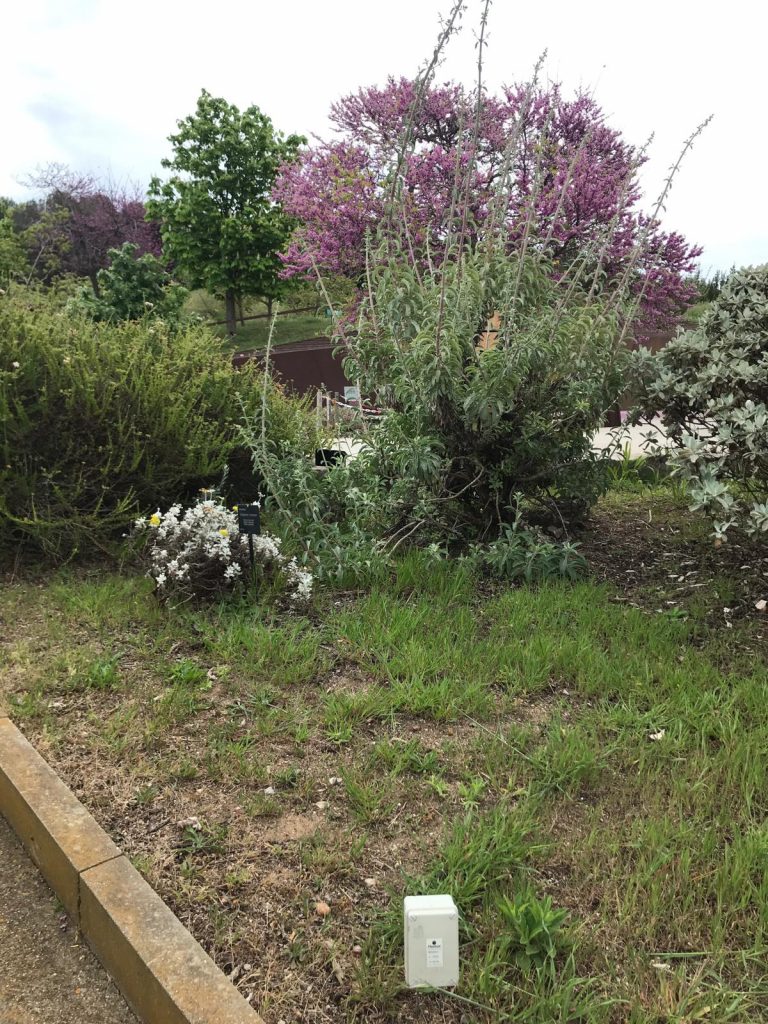
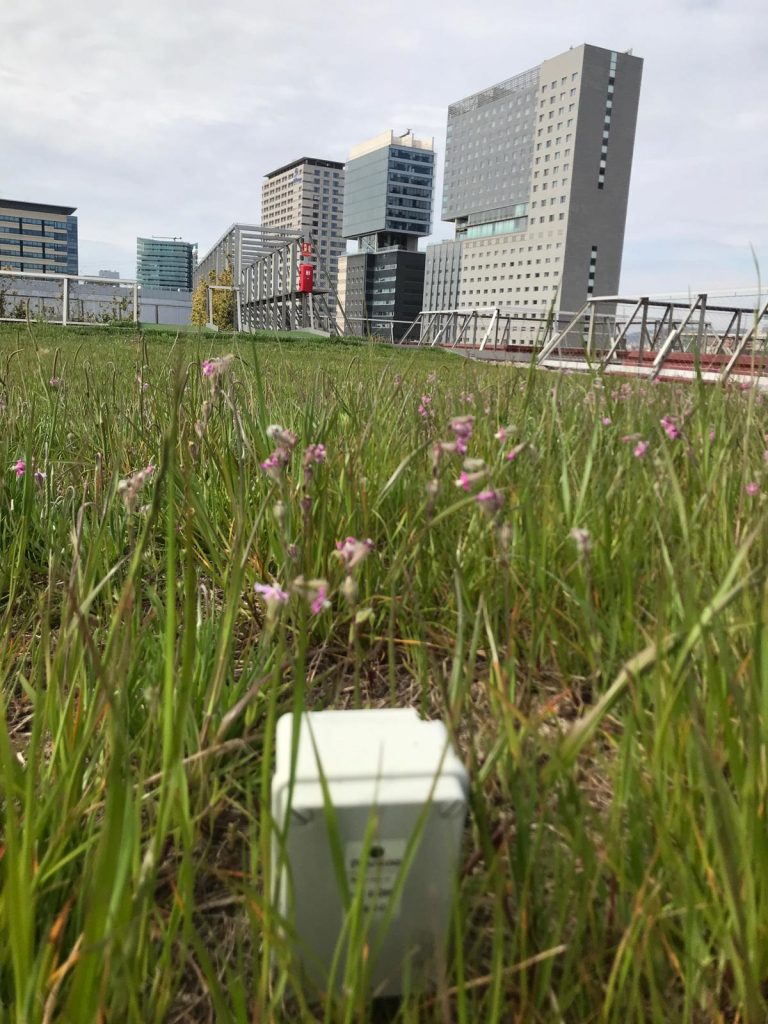
- Lawn with buried and shallow sensors. High humidity is always needed.
- Carpet and vivacious plants: they require a controlled irrigation.
- Hedges and shrubs, with less need for irrigation.
- Flower groups with controlled irrigation, especially in spring and summer when they bloom.
Garden management
The priority is to optimize irrigation in all sectors. Maintain pleasant viewing facilities for the visitor while seeking intelligent water savings.
Drip irrigation throughout the park is controlled by humidity sensors which we hope to expand shortly .
Montjuic Natural History Museum
The Montjuic Botanical Garden is part of the Barcelona Museum of Natural Sciences, which since 2011 has merged five different spaces:
- The Martorell Museum, founded in 1882, reduced to a geology museum for most of its history, and closed to the public since 2010.
- The Nature Laboratory, in the Castle of the Three Dragons, a building that from 1920 to 2010 had housed the Zoology Museum of Barcelona, also closed to the public since 2010.
- The Historic Botanical Garden.
- The Jardín Botánico de Montjuic.
- The Forum Building, since 2011 an educational center and main permanent exhibition space, but also featuring temporary exhibition spaces.

Source
 English
  Spanish