
Root temperature (i.e., the temperature of the soil where a plant's roots are located), measured with plantae probes, plays a fundamental role in plant growth and development and in the farmer's decision-making.
Absorption of water and nutrients
- Roots need an optimal temperature to absorb water and nutrients efficiently.
- Excessively low temperatures can slow down the roots' metabolic processes, negatively affecting the absorption of essential nutrients such as nitrogen, phosphorus, and potassium.
- Excessively high temperatures can damage root tissue and reduce the roots' ability to absorb water, causing water stress.
Root metabolism
- Metabolic activity in roots is regulated by temperature. Optimal temperature promotes cell division, root growth, and the development of root hairs, improving soil exploration.
- In cold climates, metabolism slows down, affecting the production of energy (ATP) necessary for root activity.
Interactions with soil microorganisms
- Soil temperature affects communities of beneficial microorganisms (such as mycorrhizal fungi and nitrogen-fixing bacteria), which contribute to the supply of nutrients to the plant.
- If the temperature is outside the optimal range, these symbiotic interactions can be reduced or even stopped.
Root temperature management with Plantae probes
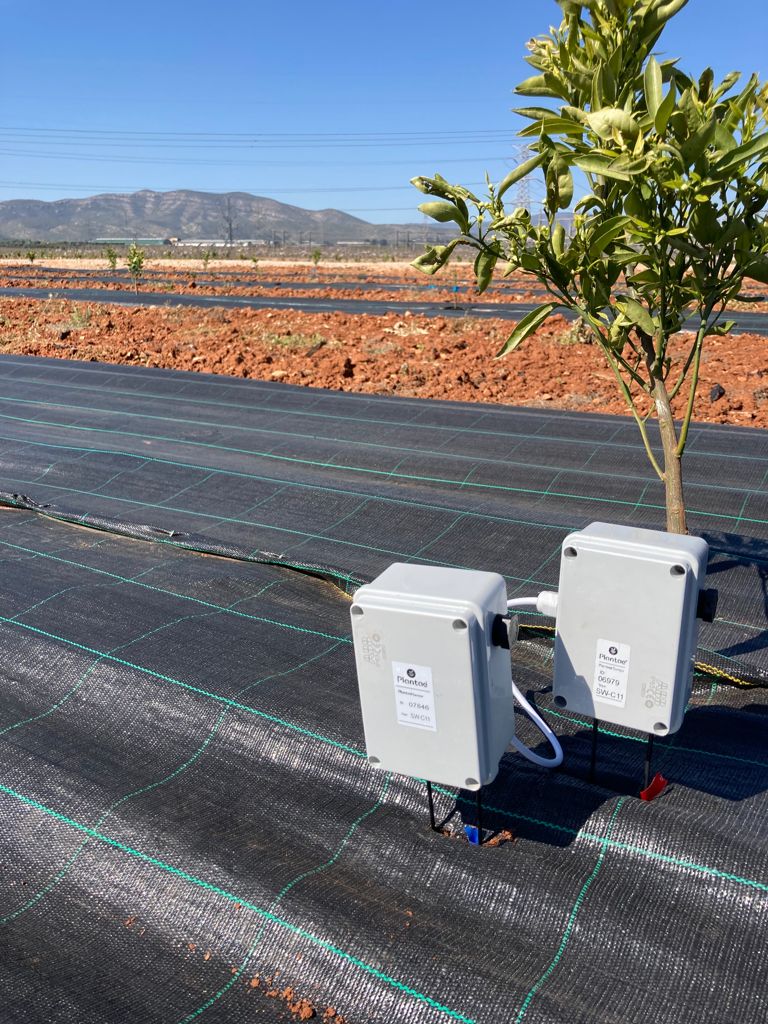
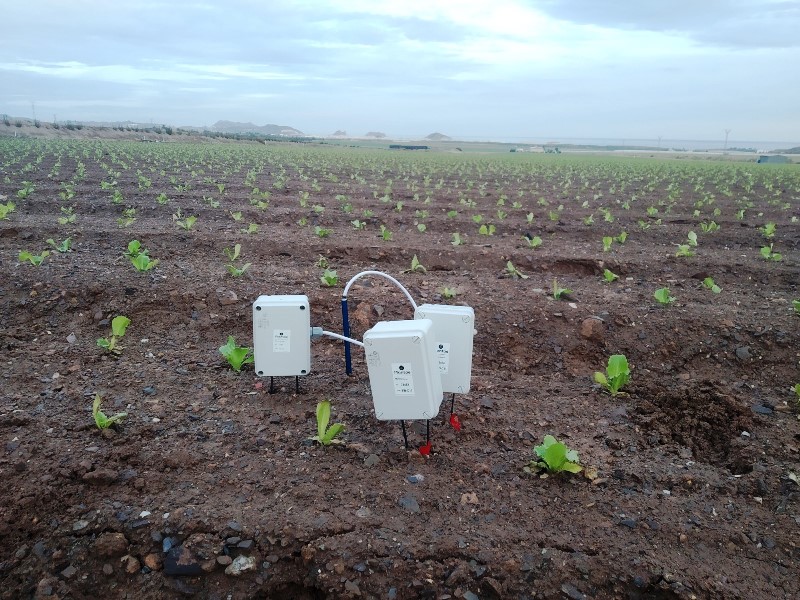
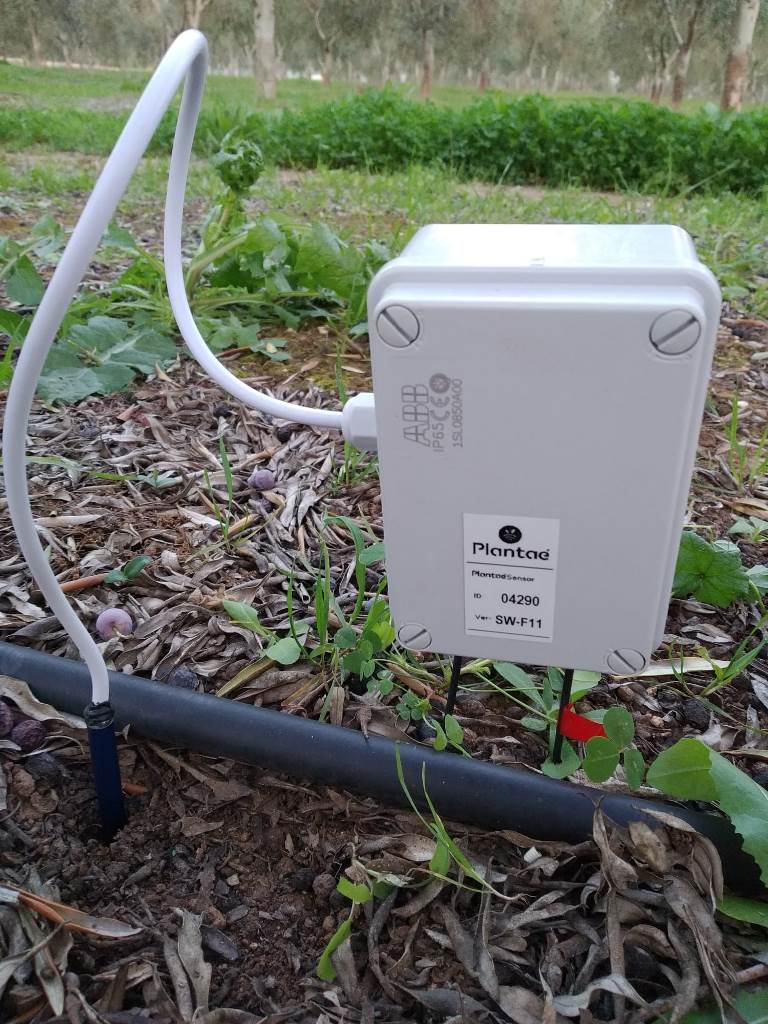
The Plantae®Sonda temperature probes, with a depth of up to 60 cm, reflect the state of the crop's root activity and promote the absorption of fertilizers and treatments. They are wireless and easy to install.
- Heat stress on roots can limit aboveground growth (stems, leaves, and flowers), as roots are responsible for providing water and nutrients necessary for these processes.
- An optimal soil temperature contributes to a good rate of photosynthesis, as it ensures a continuous supply of water and minerals.
In crops such as corn or wheat, adequate soil temperatures during the early stages of germination and establishment are crucial to ensuring vigorous growth.
In addition, your readings help us in making decisions such as:
- Ground covers: Mulching to avoid extreme temperature variations.
- Irrigation: Use of water to moderate soil temperatures.
- Crop selection: Choose plants adapted to the prevailing soil temperatures in a region.
Root temperature is a crucial factor for healthy plant development and must be carefully measured to maximize yield and vigor.
Optimal temperature ranges
- The optimal soil temperature range for most plants is between 15°C and 25°C, although this varies depending on the species and climatic conditions.
- Below 10°C or above 30°C, many plants begin to show signs of stress or decreased growth.
Sources
 English
  Spanish