
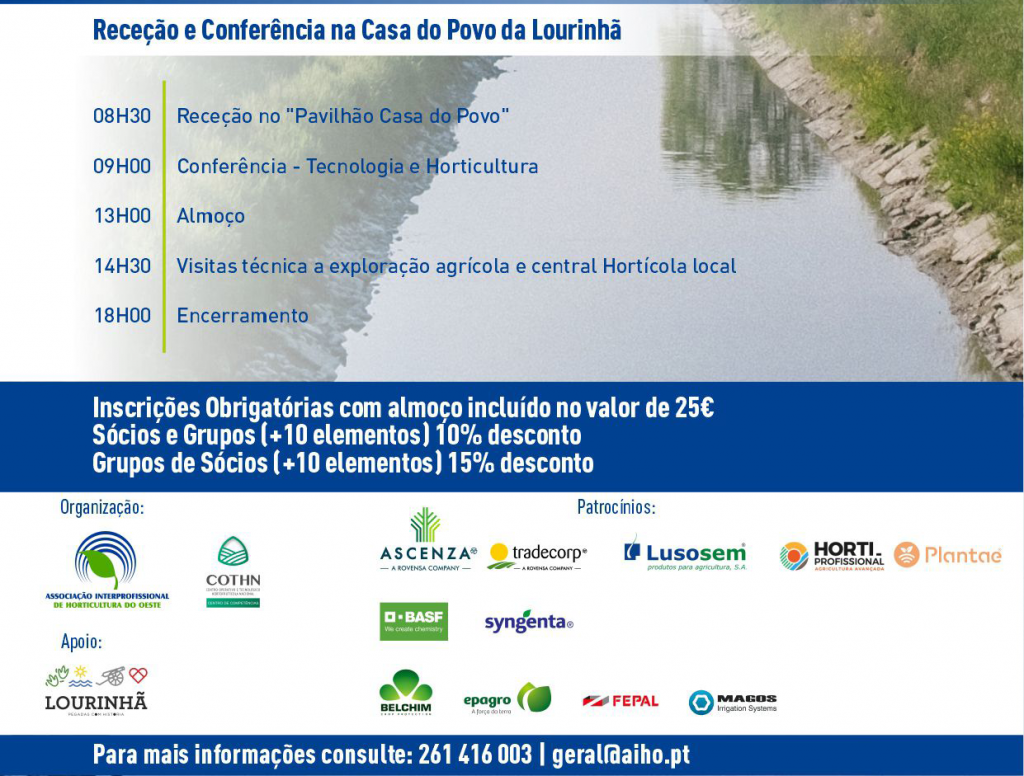
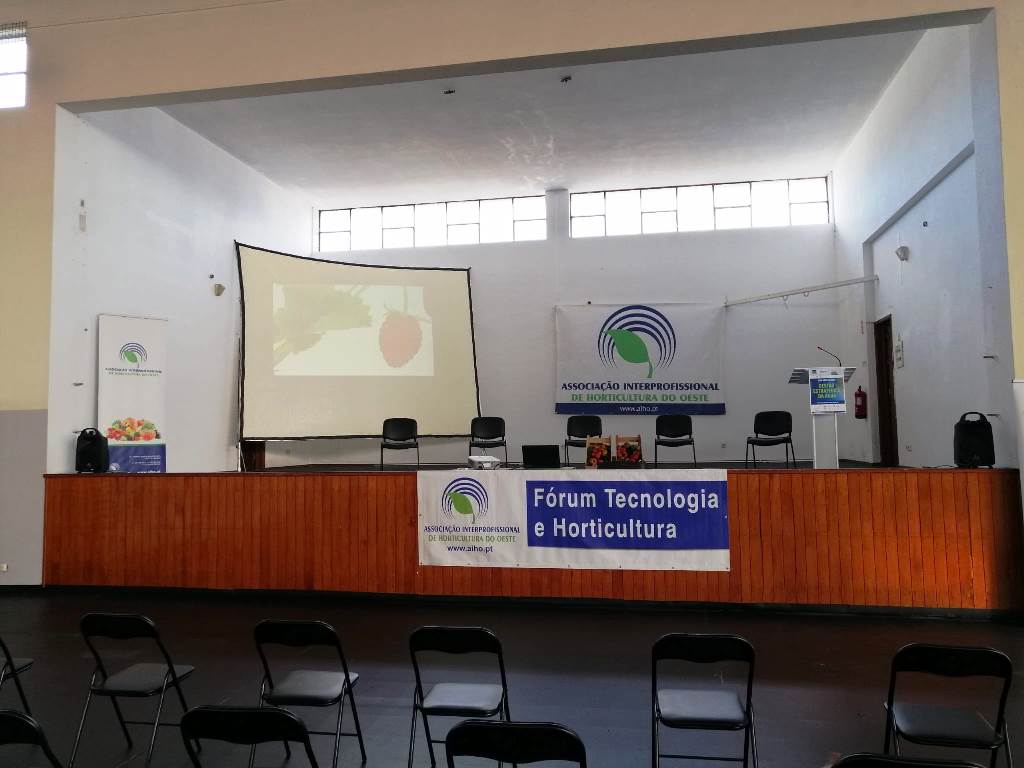
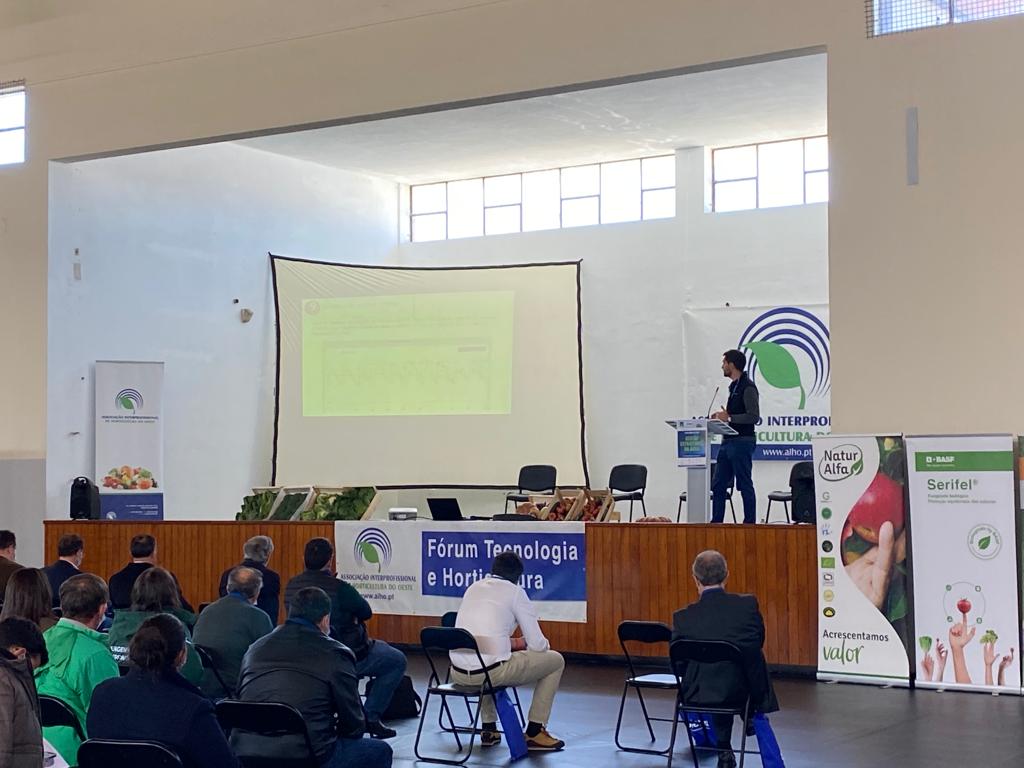
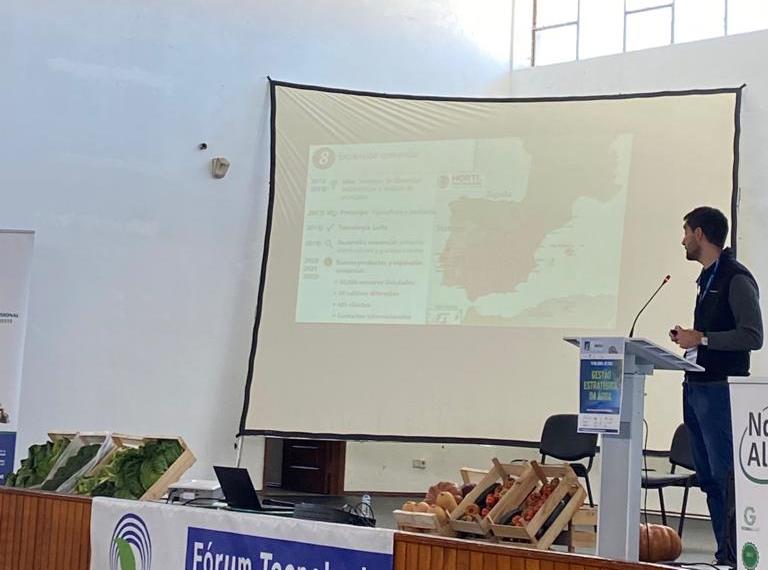
La Asociación Interprofesional de Horticultura del Oeste organiza, en colaboración con el COTHN (Centro Operativo y Tecnológico Hortofrutícola Nacional), la 9ª Semana de la Horticultura del Oeste, el día 19 de abril, en la Casa do Povo, en Lourinhã, a partir de las 8:30 horas, con el debate de “la Gestión Estratégica del Agua” en donde colabora Plantae y Hortiprofissional, nuestro partner en Portugal.
IX Horticultural Week-Strategic Water Management
Lourinha organizes this new edition of technology and horticulture, because the Torres Vedras region is the area of Portugal that houses the most greenhouses, with a high technological level, and they are the base for the production of strawberries, onions, lettuce, courgettes, cucumbers and tomato among other vegetables. But there are also many outdoor crops due to the good weather it has.
Greenhouses can be:
- With plant support on the ground, if the terrain is suitable.
- Hydroponic plantation in rock wool or coconut fiber.
In any case, the strategic management of water is fundamental for savings and quality.
The program is as follows:
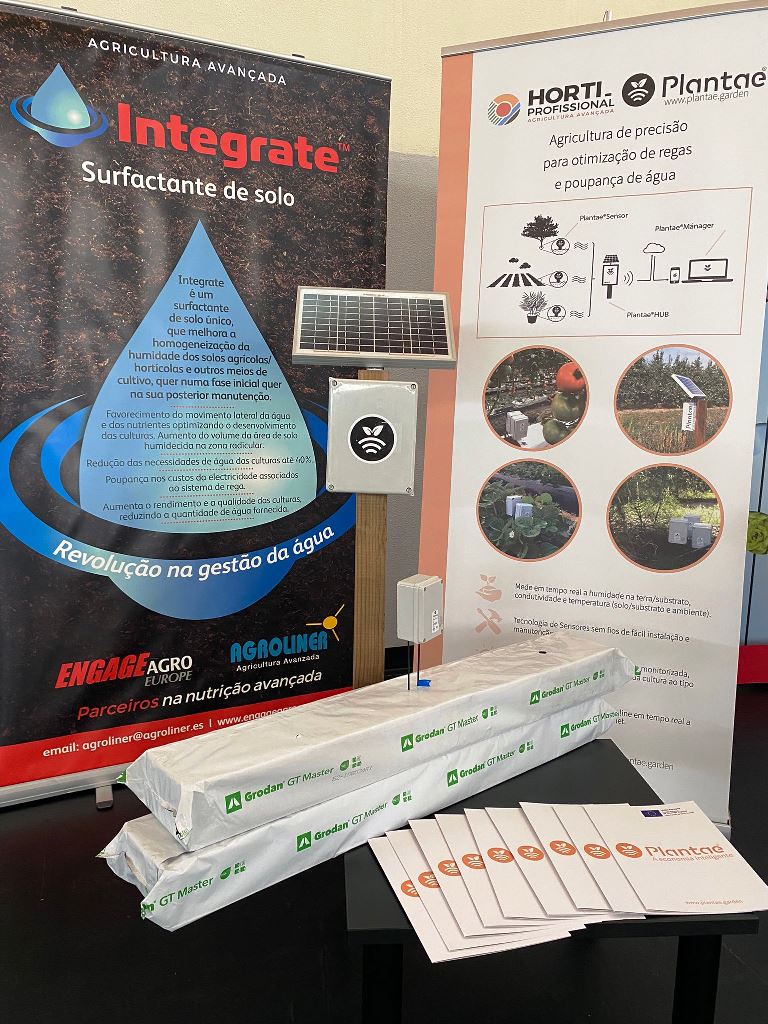
Integrate, one of the novelties of the debate
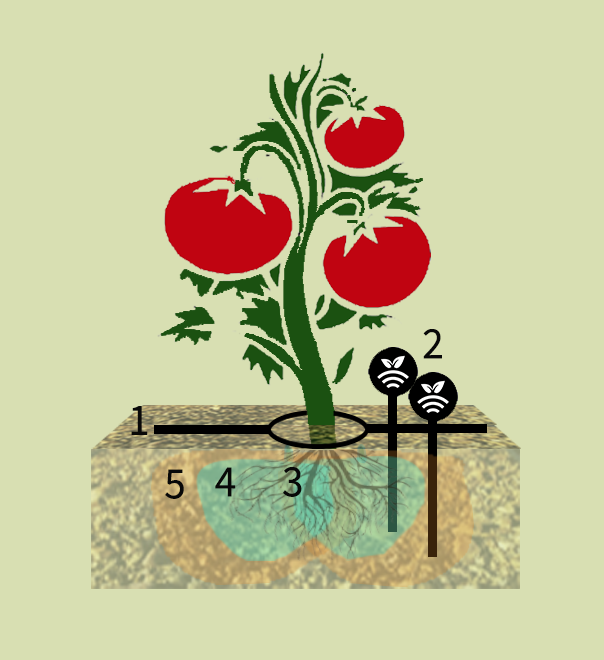
Hortiprofissional presents in this contest a conservative product of soil water. This surfactant compound improves the water retention capacity in any type of soil, in addition: it emulsifies, disperses and adheres.
Advantages of Integrate:
- It is a soil conditioner.
- Improves the behavior of all types of terrain at any time of the year.
- Increases the ability to retain water and nutrients.
- Oxygenates and decompacts heavy soils, by increasing oxygenation and filtration and therefore reducing waterlogging and evaporation.
- Maintains the field capacity (moisture content that the soil is capable of retaining), avoiding water stress.
- The wet bulb is larger, favoring root development.
- The electrical conductivity decreases as the bulb is larger.
- Water and nutrients are saved.
If to all this we also add the wireless humidity, temperature and conductivity sensors that offers Plantae, we have information in real time and the crop is controlled at all times, avoiding water stress.
It is valid for compact and sandy soils.
Hydrophobic soils
A soil is hydrophobic when it is repellent, that is, it causes surface runoff creating a problem for plant growth.
- This problem arises from the accumulation of salts in flooded soils and with high evaporation.
- They also become hydrophobic when they are not watered for a long time or due to lack of tillage.
- The surface crust causes runoff. It is therefore more difficult for water to penetrate into the environment of the plant.
In these cases there is a considerable loss of water and the expense increases.
The solution is found in surfactants or compounds to reduce the hardness of the soil, favoring the penetration of water and nutrients.
Another way to facilitate the entry of water is with tillage, but if it cannot be done due to the thickness of the crop, we must resort to surfactant products and in any case to control irrigation with probes to assess the state of the soil.
Greenhouses with controlled irrigation
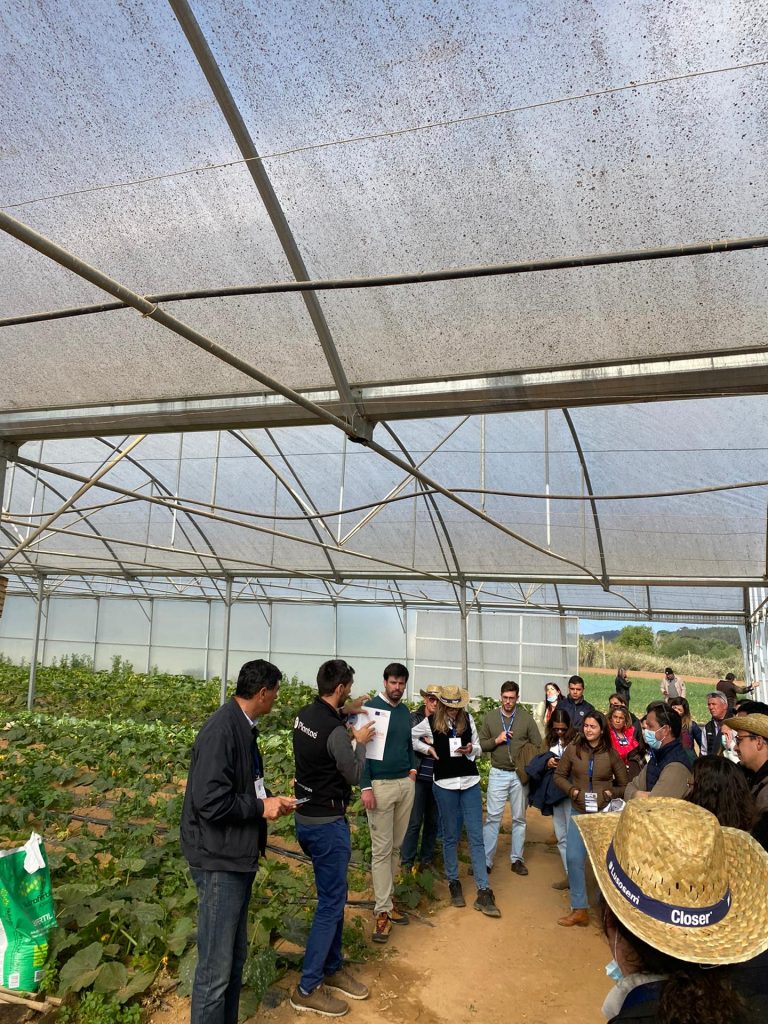
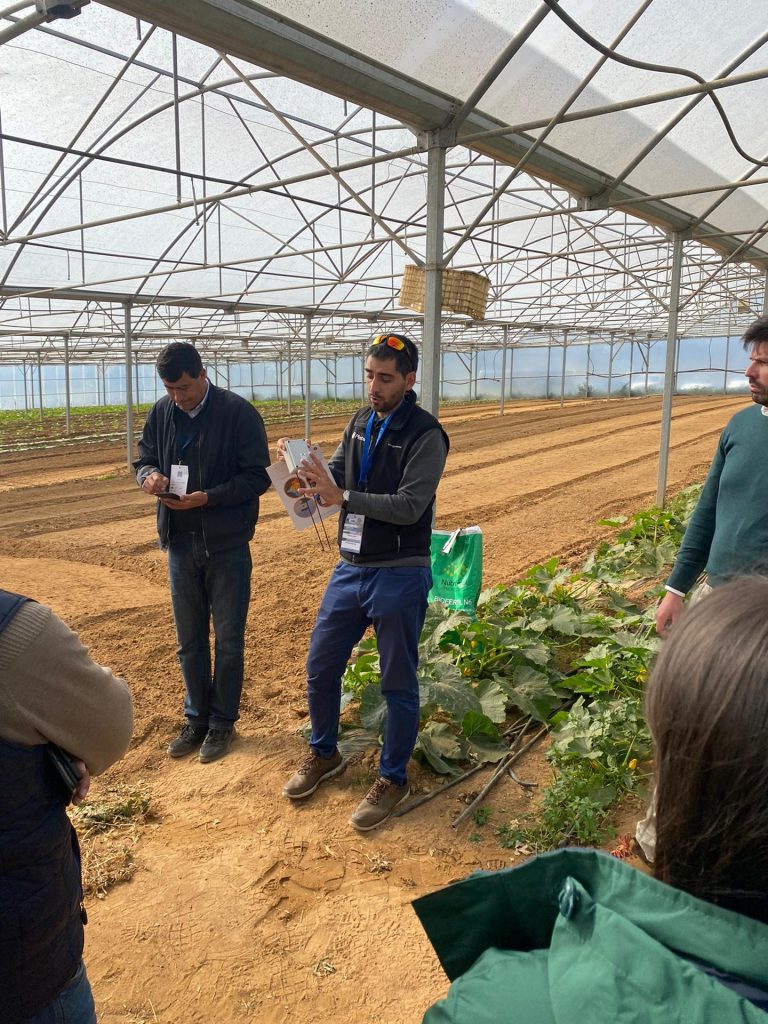
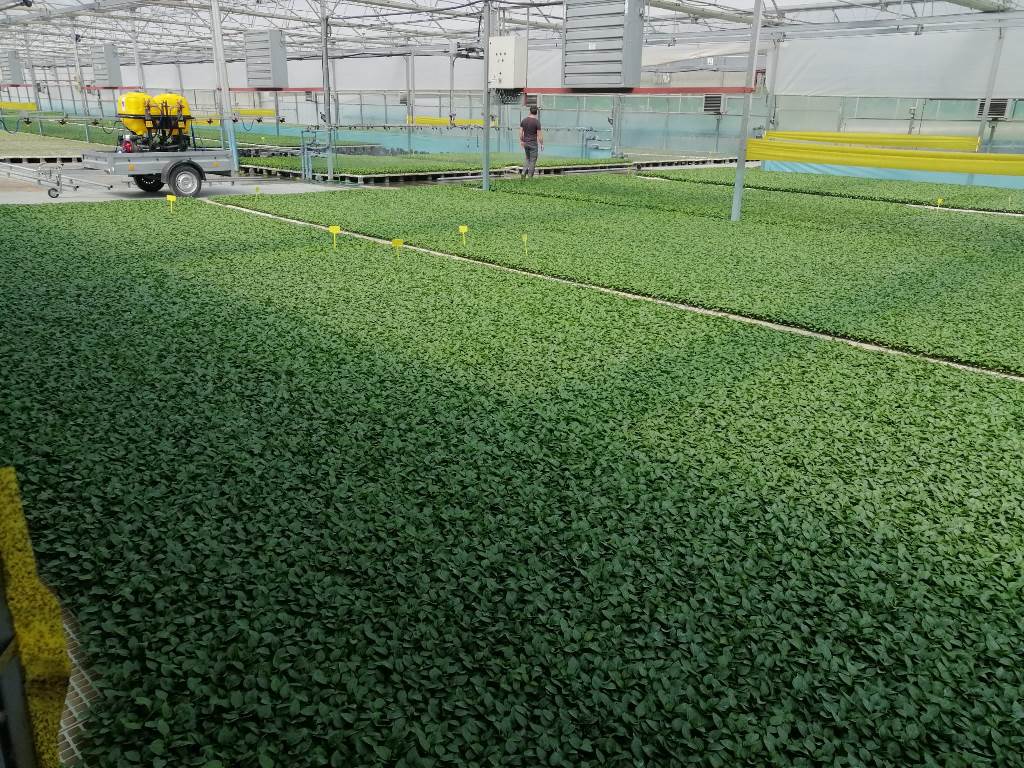
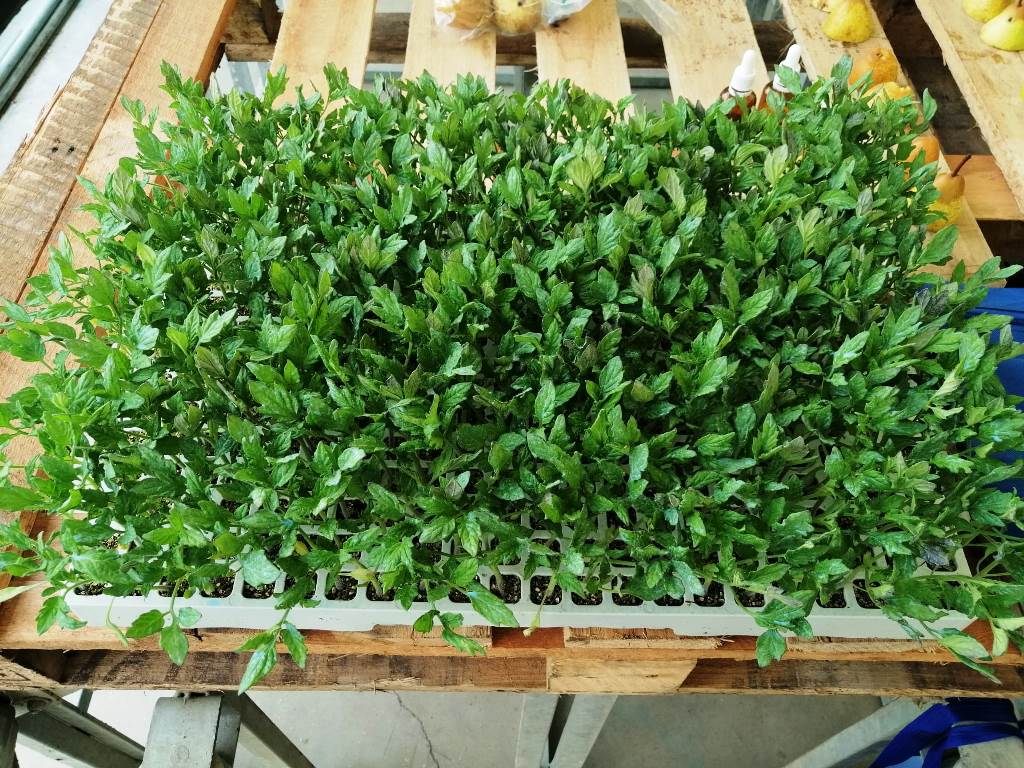
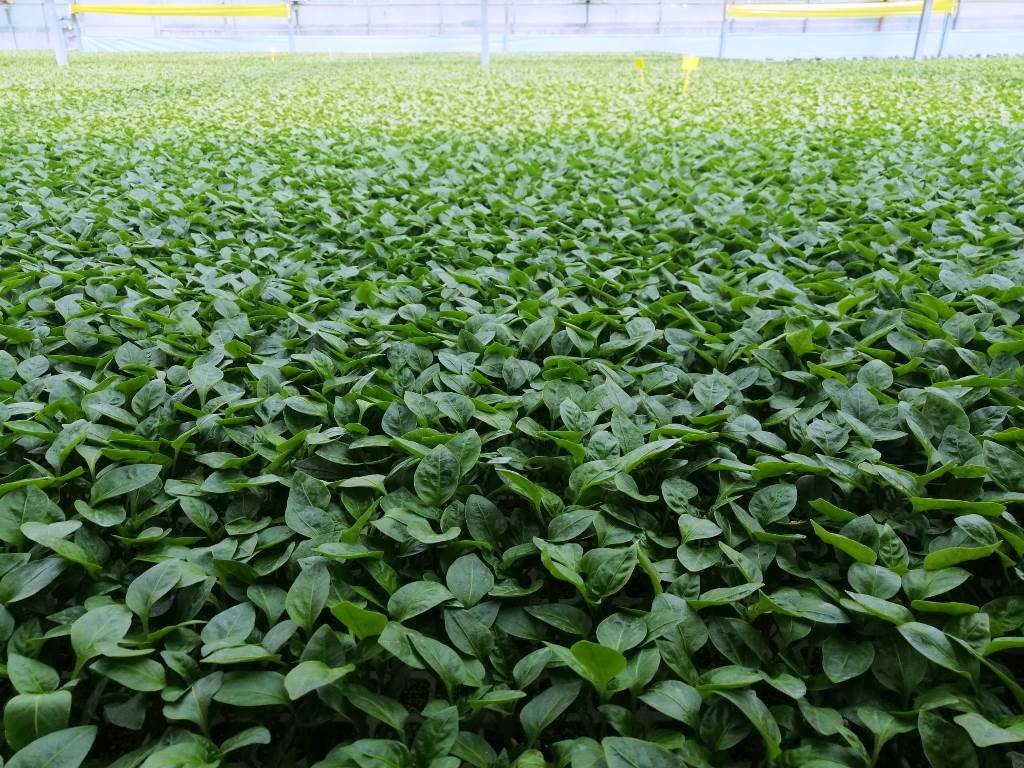
Después de asistir a la conferencia sobre la “Gestión Estratégica del Agua”, los asistentes han podido comprobar las ventajas de un buen control del suelo con sensores de humedad, temperatura y conductividad, visitando un invernadero de plantas de tomate, preparadas para trasplantar.
We can observe in the images the uniformity of the crop and the quality of the seedlings.
They have also been able to see a horticultural farm with the good results of irrigation control. All located near Lourinha.
Sources
 English
  Spanish