
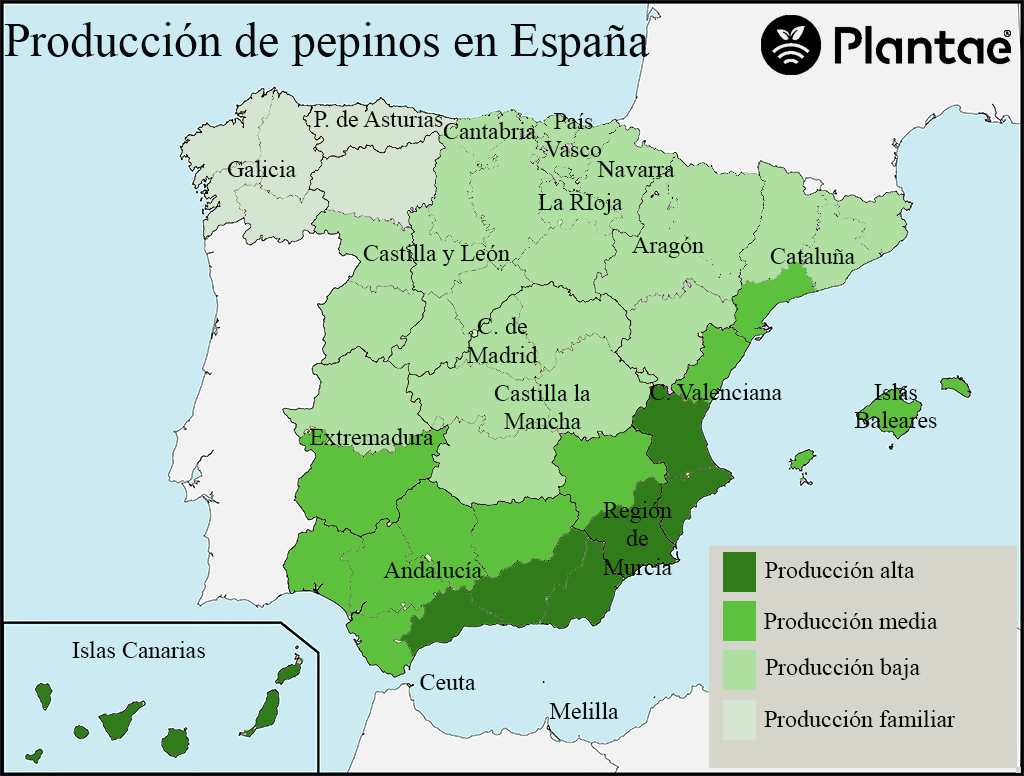
Cucumber cultivation in Spain is very common, especially in regions with Mediterranean and temperate climates. Spain is one of the main cucumber producers in Europe and has favorable conditions for its cultivation, both in open fields and in greenhouses.
Cucumber cultivation in Spain is very common, especially in regions with Mediterranean and temperate climates. Spain is one of the main cucumber producers in Europe and has favorable conditions for its cultivation, both in open fields and in greenhouses.
In the rest of Spain, cultivation is at the family level.
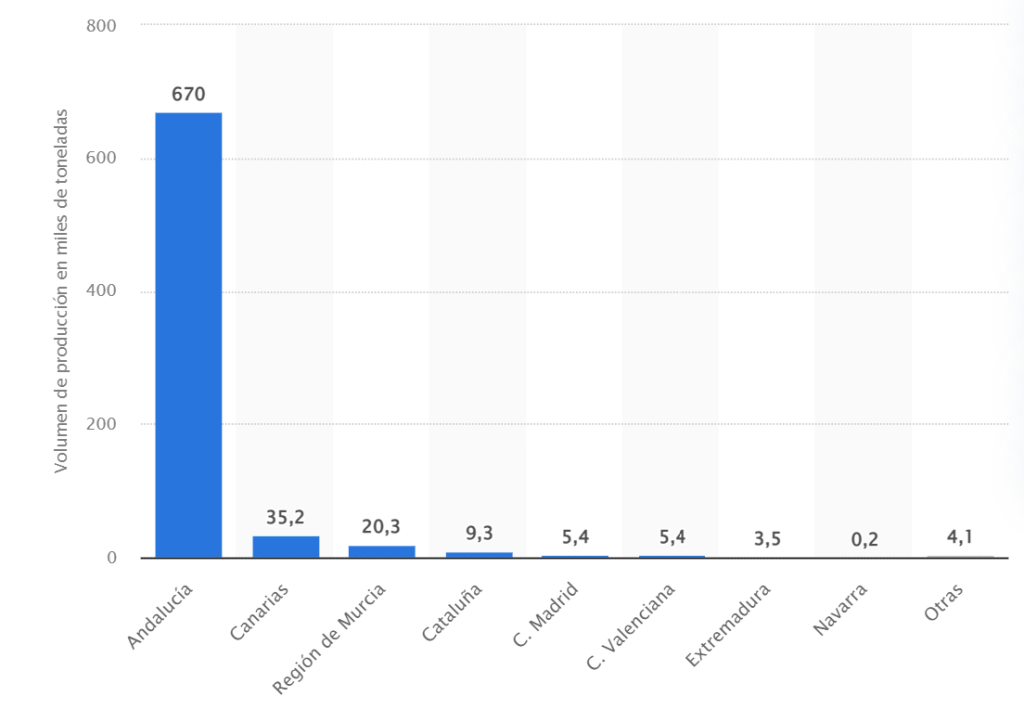
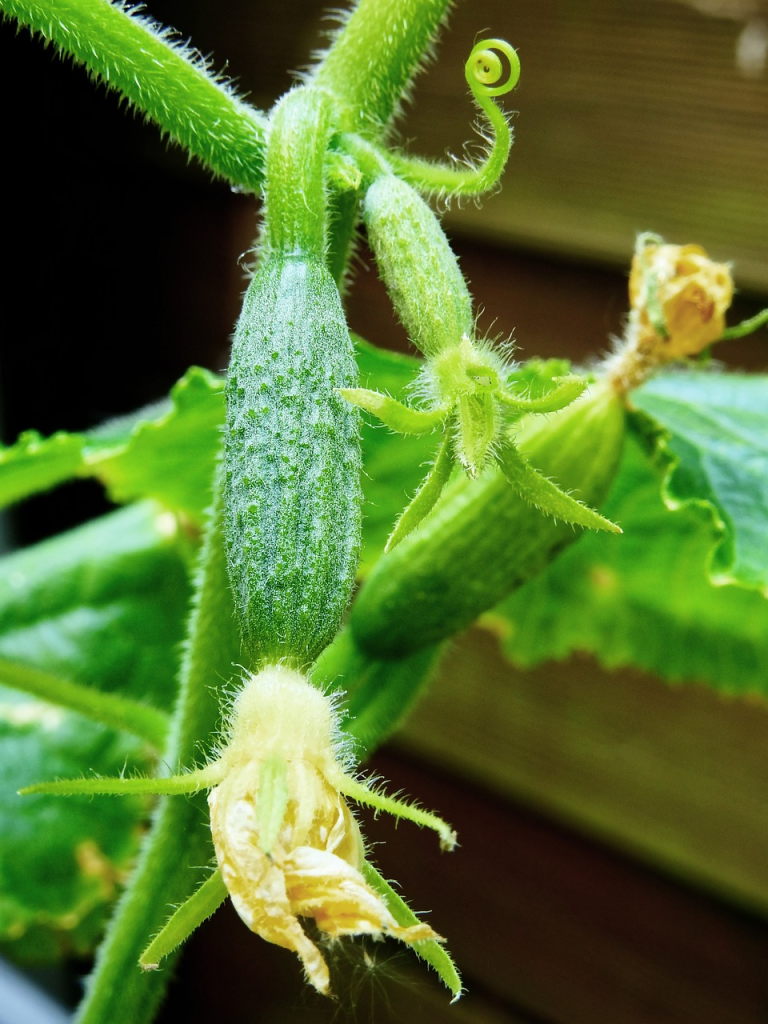
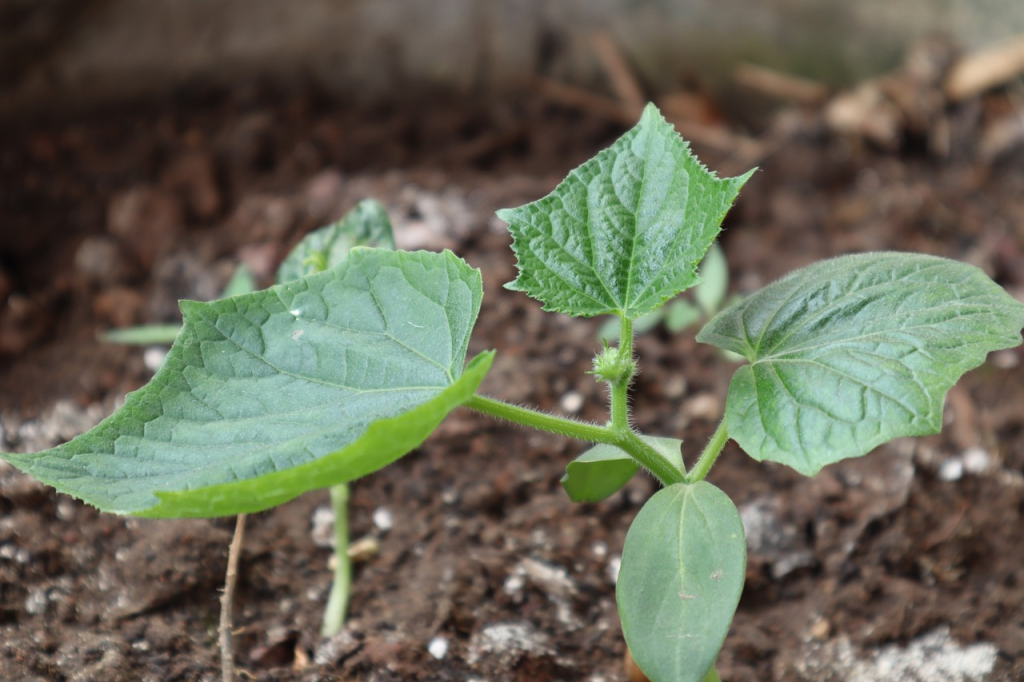
Cucumber cultivation in Spain
Cucumber cultivation in Spain can be done both outdoors and in greenhouses. In the case of greenhouses, protected structures are used that allow more precise control of environmental conditions, such as temperature, humidity and sunlight. This provides an optimal environment for the growth and development of cucumbers, allowing for high-quality harvests all year round. Regarding agronomic management, cucumber requires well-drained and fertile soils, with a pH between 6 and 7.
Cucumber watering
Irrigation is essential to maintain adequate soil moisture, especially during the growth and fruiting stages. In this process, the installation of humidity and conductivity sensors helps control the amount of water needed at all times. Most of the cucumber's weight is water.
- Irrigation frequency: Watering the cucumber must be regular and constant, avoiding both water stress and excess moisture in the soil. The frequency of watering will depend on several factors, such as the growth stage of the plants, weather conditions, and soil type. In general, it is recommended to water more frequently during the germination, vegetative growth and flowering stages, and gradually reduce the frequency as the fruits ripen.
- Irrigation method: Cucumber can be watered using different irrigation methods, such as drip irrigation, sprinkler irrigation, or flood or furrow irrigation. The most commonly used method in cucumber cultivation is drip irrigation, as it provides an efficient and direct water supply to the roots of the plants, avoiding water waste and excessive humidity in the leaves and fruits.
- Amount of water: The amount of water required will vary depending on the growth stage of the plants and environmental conditions. During the first stages of growth, it is recommended to keep the soil slightly moist, avoiding waterlogging. As plants mature and begin to produce fruit, excess water should be avoided to avoid rot and disease problems.
- Soil monitoring: It is important to monitor soil moisture regularly to adjust irrigation according to plant needs. It is best to install a flow meter. Also soil humidity sensors to determine soil humidity at different depths. The objective is to maintain the soil in an adequate humidity range, avoiding both dryness and excess water.
- Time of day for irrigation: It is recommended to water early in the morning or late in the afternoon, avoiding watering during the hottest hours of the day. This helps minimize water loss through evaporation and allows plants to efficiently use water during their busiest period.
Tutored
Staking systems are often used to guide plant growth and facilitate harvesting.
Fertilization
Pest and disease control is another important aspect in cucumber cultivation. Integrated pest management methods are usually applied, which combine preventive measures, such as crop rotation, the use of resistant varieties and the use of biological controls, with the selective application of phytosanitary products when necessary.
Cucumber consumption in Spain
Cucumbers in Spain are grown both for the national market and for export. The main export destinations are other countries in the European Union: the United Kingdom, Germany, France and the Netherlands.
If you have any questions, you can consult our Plantaeagro team.
Sources:
 English
  Spanish