
La agricultura de precisión tiene dos retos, uno la cantidad de alimentos y otro la calidad, para evitar el hambre invisible, es decir, la cantidad necesaria de alimentos con las propiedades nutricionales suficientes.
What is hunger?
Según la FAO, Organización de las Naciones Unidas para la Alimentación y la Agricultura, una persona sufre de hambre si durante un periodo prolongado de tiempo, el aporte energético ingerido hace que su organismo funcione de manera inadecuada.
The energy threshold is 1800 Kcal per day. And that definition of hunger is the one suffered by the referred people who do not have enough food, and we will call it chronic hunger, and it only measures the lack of calories.
The invisible hunger
There are scientists, such as Konrad Biesalski (University of Hohemhein) who warn of another type of hunger, this new hunger is suffered by people who consume more than 1800 kcal per day. This new hunger is malnutrition caused by a deprivation or deficit of nutrients and / or vitamins. We will call it invisible hunger.
Staple foods
The basic foods of the human diet are:
- Rice.
- The corn.
- The wheat.
They cover about 75% of the caloric needs of a human being, but these foods do not provide enough minerals, vitamins, trace elements, fatty acids and amino acids.
Por ello, para ingerir los nutrientes no adquiridos con la alimentación básica, comemos el resto de grupos alimenticios.
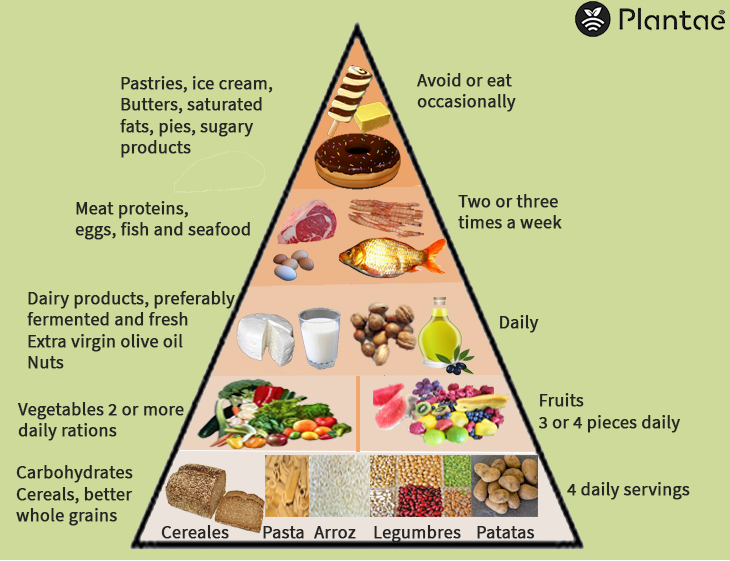
Mineral deficiencies that produce invisible hunger
According to studies, such as that of Dr. Cakmak (Sabanci University) , there are people who have an unrestricted provision of all kinds of foods in their diet and still show health disorders caused by deficiencies in minerals and / or vitamins.
For this doctor, the prevalence of obesity is a symptom of this invisible hunger .
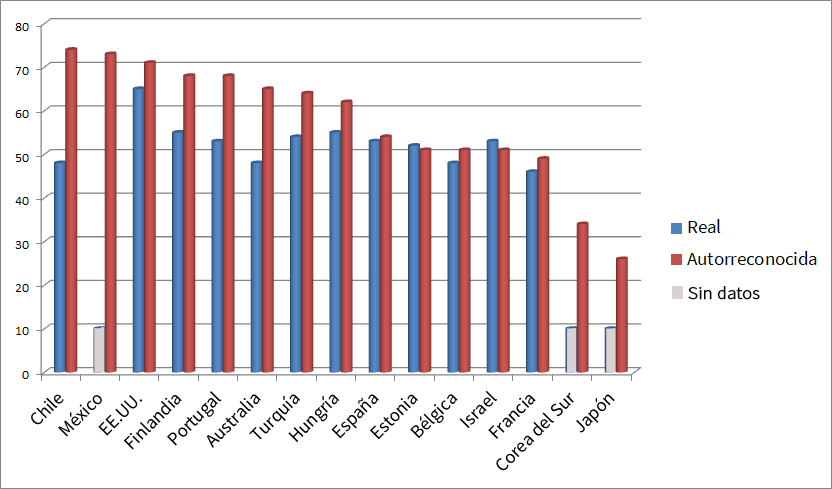
And this fact led him to study mineral deficiencies in cereals. And this will be the first example that we will show, later.
So the second challenge of the agrarian world begins when we focus on invisible hunger . Studies have shown that the food produced is lacking in certain nutrients.
The studies carried out indicate that this deficiency is related to the degradation of the agronomic properties of the soils.
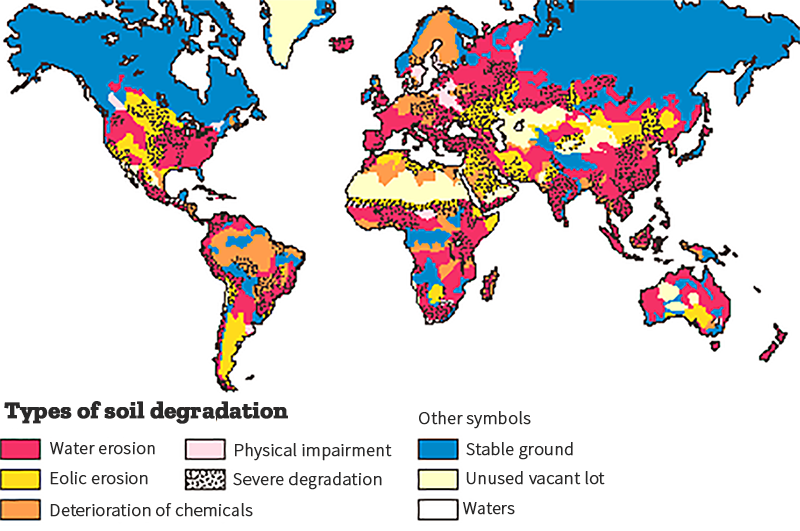
In this article we will show three studies that perfectly illustrate this reality. But we cannot stop commenting on the international project HarvestPlus, funded by the CGIAR, which brings together more than 200 scientists.
1.- Zinc deficiencies
Dr. Cakmak (Sabanci University) was the first to demonstrate the relationship established between the link of a soil poor in zinc and the zinc contents in cultivated cereals. And demonstrate its subsequent relationship with diseases in humans.
Currently there is an international project called HarvestZinc Fertilizer, which shows that about half of the world's cereals are zinc deficient.
Therefore, this means that any food obtained by flour from these grains contains an insufficient amount of this chemical element.
Según los estudios del doctor Cakmak, 450.000 niños menores de cinco años mueren cada año debido a una alimentación deficitaria en este elemento. Se ha demostrado que la deficiencia de zinc debilita el sistema inmunológico y provoca disminución en la capacidad de concentración.
To make up for the lack of zinc we can increase the intake of: hazelnuts, almonds, cheeses, eggs and pumpkin seeds.
2.- Selenium deficiencies
A problem possibly solved by ranchers millennia ago. In the England of the industrial revolution they observed serious fertility problems in the cattle of their farms, and it ended up being solved with blocks of mineral salts rich in selenium. Thanks to this event, England is the country that has most investigated this deficiency in its soils and food.
A study by Dr. Margret Rayman (University of Surrey) has discovered and pointed out a selenium deficit in the English population that is not due to chance. This deficit has been related to a decrease in the consumption of Mediterranean vegetables in favor of local consumption. This micronutrient that the English assimilate mainly through food is particularly scarce in the soils of the United Kingdom.
Dr. Susan Tait (University of East Anglia) has confirmed that this micronutrient is a challenge for the countries of Northern Europe. Their study indicates that the grass established in these soils is deficient in selenium, which causes the cattle that graze these forages not to assimilate enough. The meat of these cattle has been shown to have a low amount of selenium. According to this scientist, selenium deficiency is related to breast and prostate cancer. Selenium is present in all human tissues and is part of more than 20 proteins. As well as balancing the immune system.
The lack of selenium can be replaced with plant foods such as: garlic, whole grains, walnuts, chestnuts, pine nuts and vegetables.
3.- Iron deficiencies
Iron deficiency is the most common deficiency among the conditions studied, and is linked to iron deficiency anemia. This is because the iron atom is essential for the formation of hemoglobin.
Estudios de la doctora Petra Heinrinch (Universidad de Dusseldorf) responsable del programa de investigación “el Hierro como Biofortificador”, han demostrado que los vegetales que se han desarrollado en suelos con suficiente hierro para su desarrollo no proporcionan ese mismo hierro de manera proporcional al consumidor en cantidad adecuada. Mientras que los desarrollados en suelos con carencias de hierro presentan deficientes tasas de nitrógeno, magnesio, calcio y manganeso, además de ser muy bajo el nivel de hierro que aportan. Pero esto no ocurre con las legumbres, las que se desarrollan en suelos con alto contenido en hierro acumulan altas tasas del mineral.
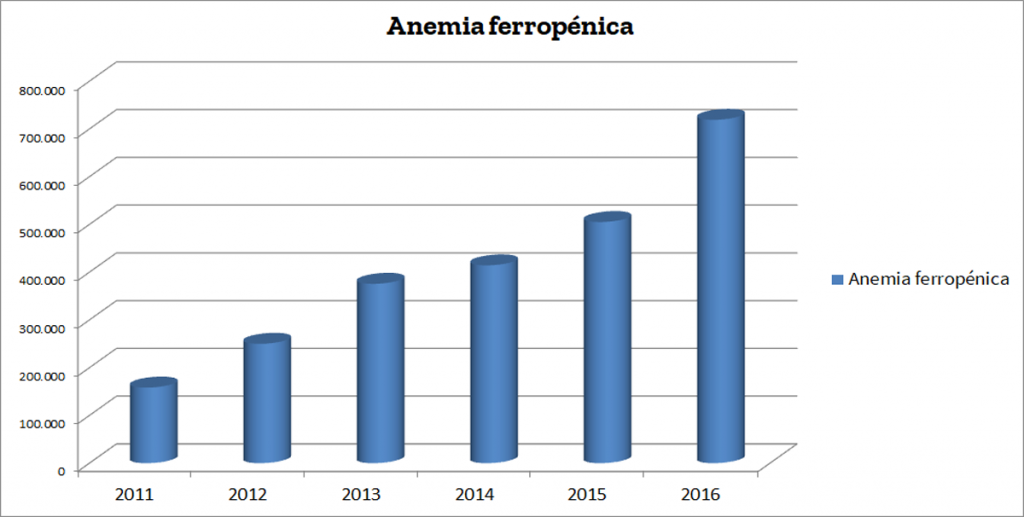
Apparently, an imbalance is occurring in the population's dietary intake. This study demonstrates the correlation between the decrease in the consumption of legumes and the increase in detected cases of anemia.
It can also be deduced that the legumes consumed may not be of high nutritional value, hence the reinforcement in the increase in detected cases.
Foods that can compensate are: spinach, pumpkin seeds, lemons, broccoli, fish and shellfish such as clams and others.
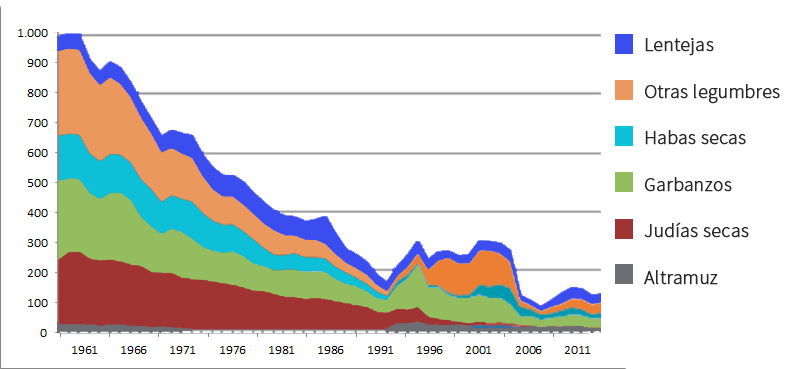
These graphs correspond to data referring to Spain, where the situation is not as serious as in the rest of the world, according to the European Federation of Nutritionists. Today 20% of the European population suffers from anemia related to a lack of iron in the diet. Children and pregnant women are the most exposed, as they have higher needs.
Influence of iron deficiency in the body
When iron levels in the blood are low, symptoms such as:
- The depletion.
- Lack of appetite
- Lack of concentration.
- Headaches.
Precision agriculture and responsible consumption to avoid invisible hunger
As we can deduce from all the above, farmers and ranchers must become aware and aware of these problems and develop the responsibility we have for the food we produce.
To achieve this, the agrarian world must implement:
- A precision agriculture of the soil to know its composition through specific analyzes, since if you cultivate a soil that is poor in nutrients, it is difficult for the cultivated products to have a high nutritional value.
- The irrigation water in the event that a Irrigated agriculture to be able to carry out the most professional management possible, you must take into account the pH that influences the quality of the crops and the land, for this at this time there is a technology that facilitates this task,
- Plantae Probes allows measuring salinity by means of sensors that at different depths detect the conductive tendency of the ground.
- Pest control with drones to anticipate their spread and thus avoid harmful products.
And finally, we cannot forget the consumer, since we must ask them to be responsible for their consumption habits, and question them when they are harming their health.
Each one must be responsible for the foods that he eats and that benefits him the most.
Sources:
 English
  Spanish