
Rice is one of the most consumed cereals worldwide, the second after corn. Rice in Spain is grown in several communities and in some it needs controlled irrigation, as we are going to study in this article.
Rice cultivation in Spain
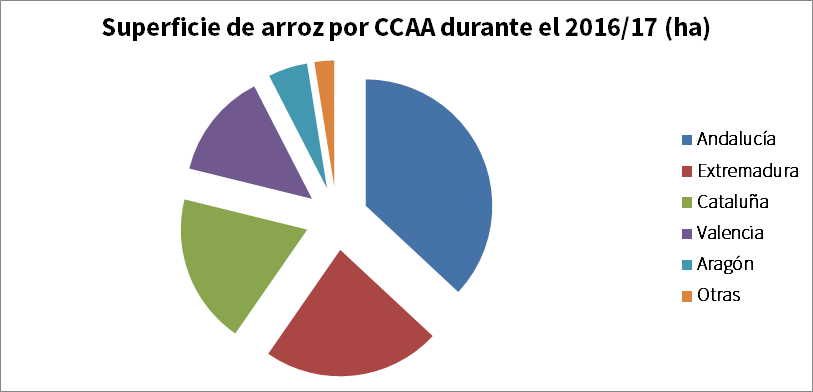
According to data from the Ministry of Agriculture, Fisheries and Food, rice in Spain is grown in the Autonomous Communities of Andalusia, Extremadura, Catalonia, Valencia and Aragon.
Rice soil science
Rice has very thin, fibrous and fasciculated roots.
They are of two types: temporary and adventitious. The stem alternates nodes and internodes and does not normally exceed 120 cm in length.
This grass plant needs a lot of water and a high level of salinity, in addition to high temperatures. It is for this reason that it is grown in the southern and Mediterranean areas.
The soil can be from sandy to clay. The ideal pH is 6.6.
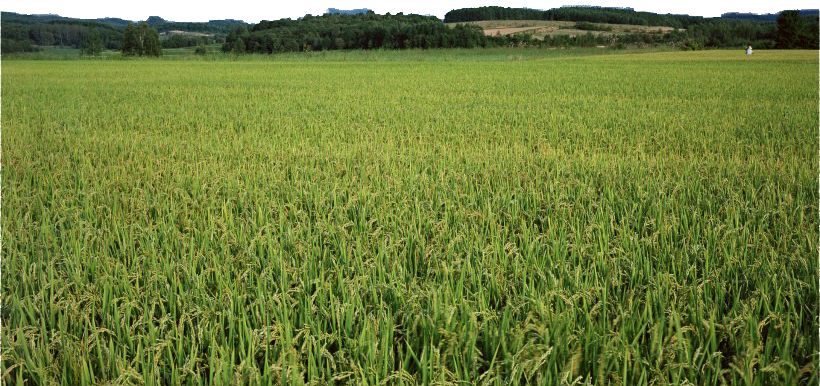
Precision agriculture with Plantae probes in rice cultivation in Spain
Our company offers the possibility of controlling rice farms with precision agriculture throughout the production process and with:
- Soil and ambient temperature probe: should not be less than 15 degrees for germination and growth. If they are higher than 27 degrees, it is more sensitive to diseases. If they are too low the plant becomes sterile. With the probes we can control the state of the root zone and the ideal moment to cultivate. Low temperatures also impair pollination. Flowering begins the same day that the bolting occurs, always in sunny weather.
- Soil moisture probe: rice needs a lot of water and can have different types of irrigation, may be by flooding and distribution by terraces or by pumping systems. In any case, the humidity of the subsoil is measured in real time to maintain a good balance between the needs of the plant and the distribution of irrigation.
- Conductivity sensor: measures the conductive tendency of the subsoil and the accumulation of salts, necessarily high in rice cultivation.
- Relative humidity probe: allows the control and forecasting of pests that depend on themeasurement of leaf moisturethat we can obtain with a formula in which one of the magnitudes isrelative humidity.
All these parameters guarantee considerable water and energy savings as well as controlling the plantation in real time.
They adapt to all terrains and all weather conditions. In Andalusia and Extremadura especially, we need a water supply that will be better controlled by sensors.
Varieties of rice grown in Spain
The three most cultivated varieties are grain:
- Long Indica type.
- Medium Japanese type.
- Round Japanese type.
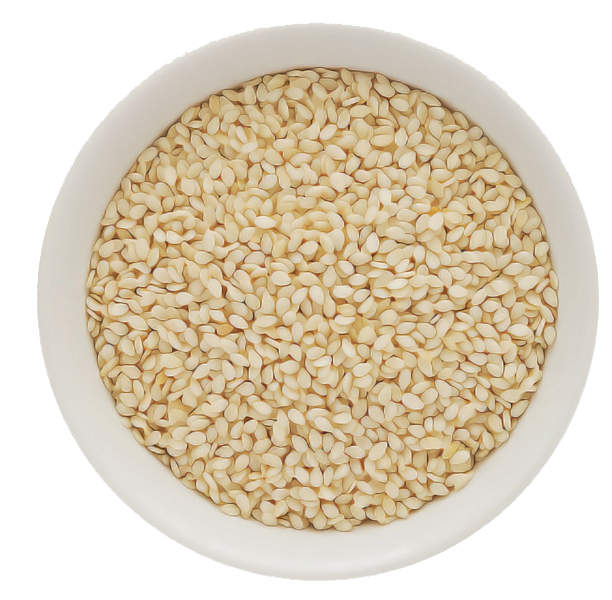
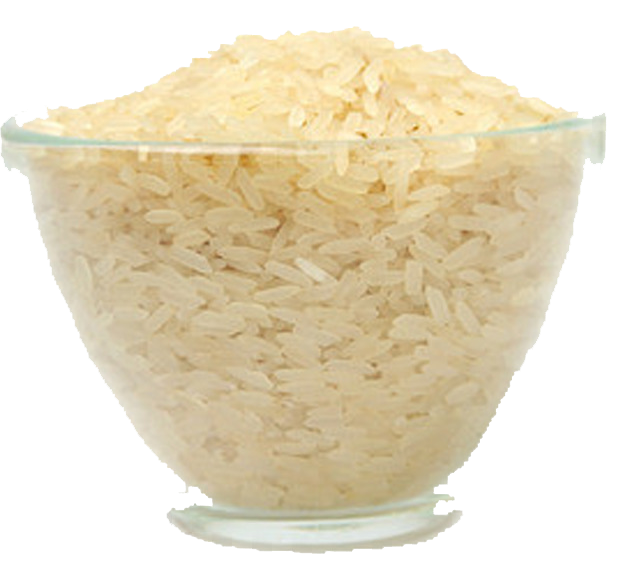
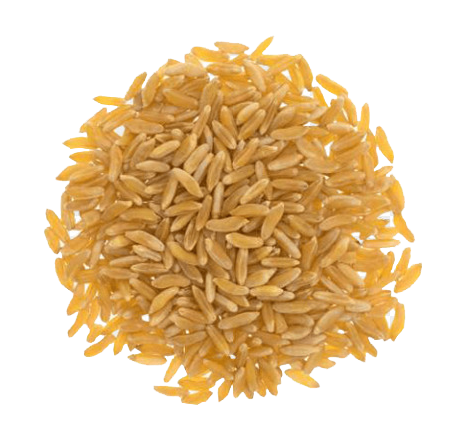
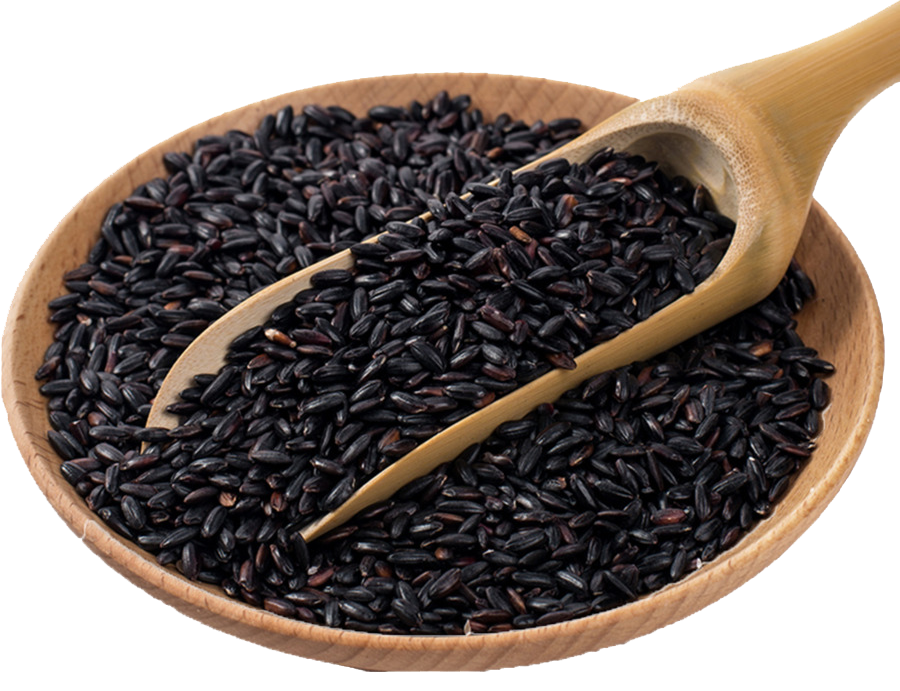
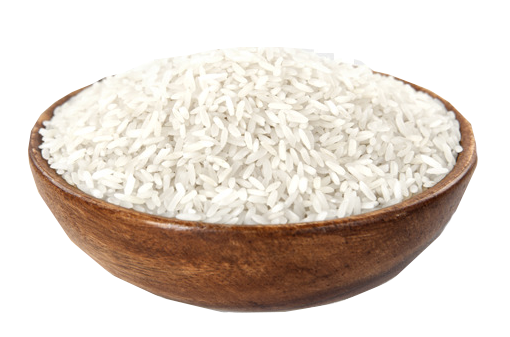
Within the japonica variety we can find appellations of origin such as:
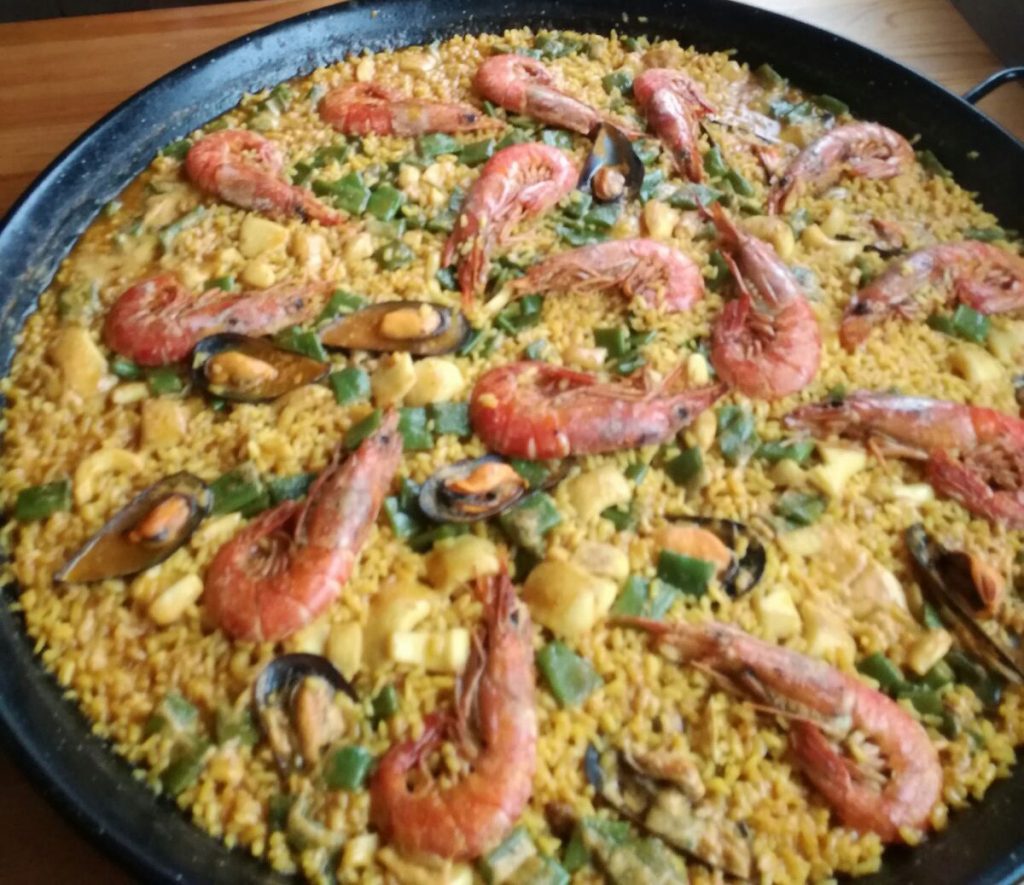
- Denominación de Origen “Arroz de Valencia” en la marisma Valenciana con la variedad “Senia” que absorbe mucho sabor y con grano redondo y el denominado “Bomba“, muy utilizado para la típica paella valenciana por su textura al cocinarlo. Otra variedad Bahía, la más cultivada e España.
- También DOP “Arroz del Delta del Ebro” destacando la variedad “Tebre” además de cultivar esta comarca los de tipo “Bomba” que destaca por aguantar el exceso de cocción y las variedades Senia, Fonsa y Bahía.
- PDO “Calasparra rice”, a round and hard grain hybrid.
- On Isla Mayor en Sevilla en las marismas del Guadalquivir es típica la variedad “Marisma” también de grano corto.
- In Extremadura in the Vegas del Guadiana, round and steamed rice stands out.
La variedad tipo índico o largo “Puntal” muy adecuado para paellas. El más largo, el “Thaibonnet“, especial para arroz blanco.
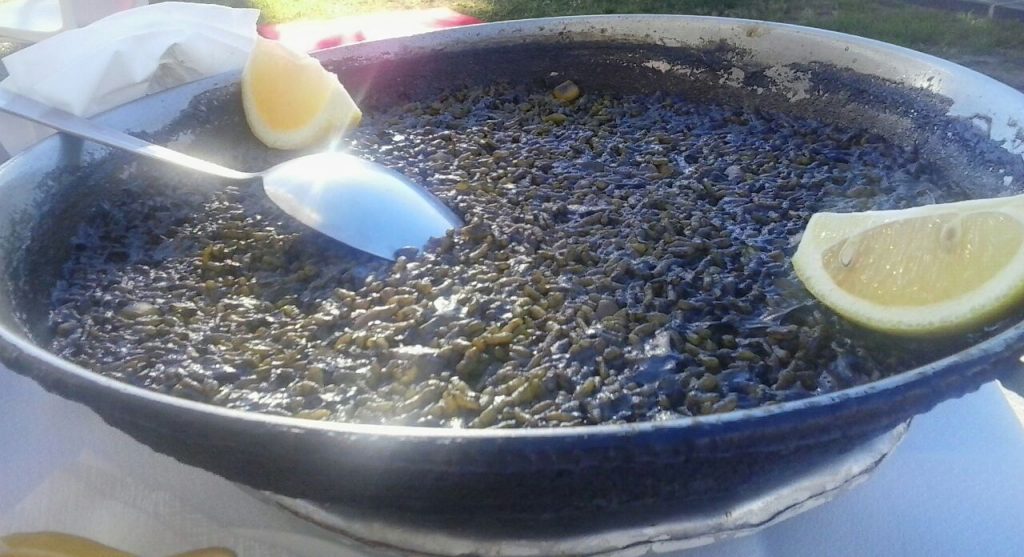
Otra variedad de tipo aromático el “Basmati”, la variedad “Akitakomatchi” para hacer sushi y la variedad “Arborio” para risottos. Por último, destacar el arroz “Negro o Emperador” para paellas especiales.
This is the most cultivated in Spain, within the 80,000 varieties of rice that we can find cataloged worldwide.
Sources
 English
  Spanish