
La Directiva Marco del Agua (DMA) es la legislación clave de la Unión Europea para la protección y gestión sostenible del agua. Su objetivo principal es alcanzar un buen estado ecológico y químico de todas las aguas de la UE (ríos, lagos, aguas subterráneas y costeras) mediante una planificación y gestión integrada de los recursos hídricos.
Objectives of the Water Framework Directive
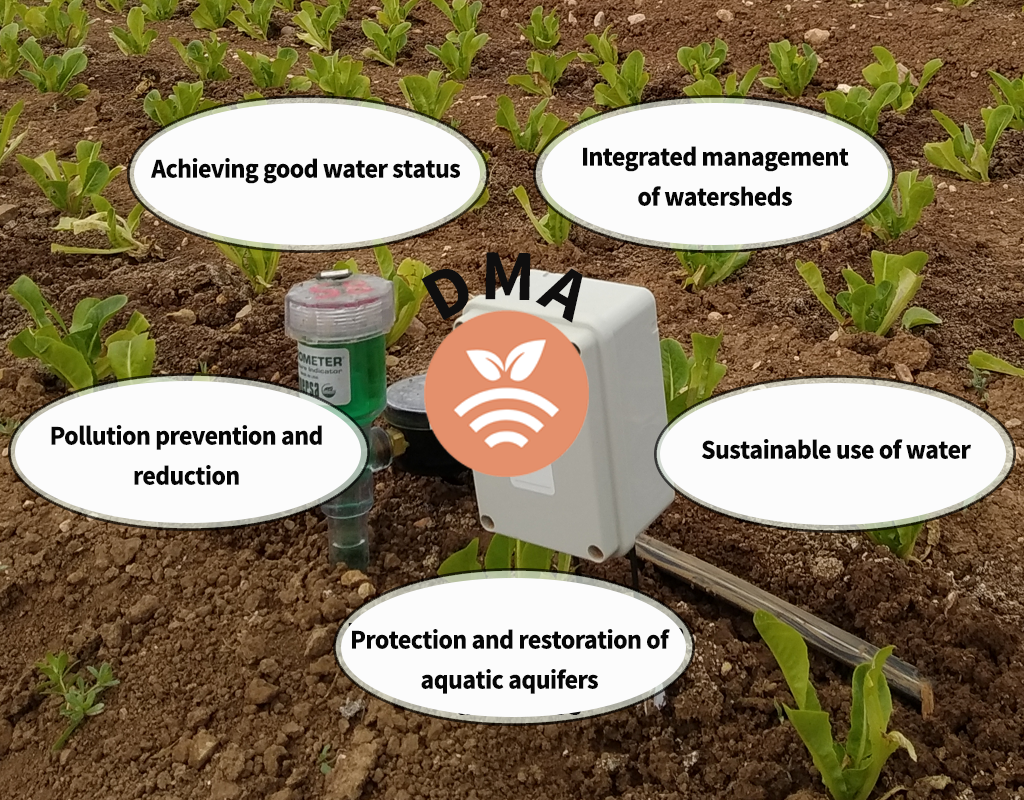
- Alcanzar el buen estado de las aguas: Tanto superficiales como subterráneas deben alcanzar un “buen estado ecológico y químico”.
- Integrated watershed management. Water management should be done at the watershed level, regardless of political or administrative boundaries.
- Pollution prevention and reduction. Controlling discharges of polluting substances into rivers, lakes and aquifers. Reducing diffuse pollution, for example, nitrates from agriculture.
- Sustainable use of water. Ensure that water extraction does not exceed natural regeneration capacity. Promote efficient water use in sectors such as agriculture and industry.
- Protection and restoration of aquatic ecosystems. Conserve wetlands, rivers, lakes and coastal waters. Rehabilitate degraded ecosystems.
Plantae probes in the application of the Water Framework Directive
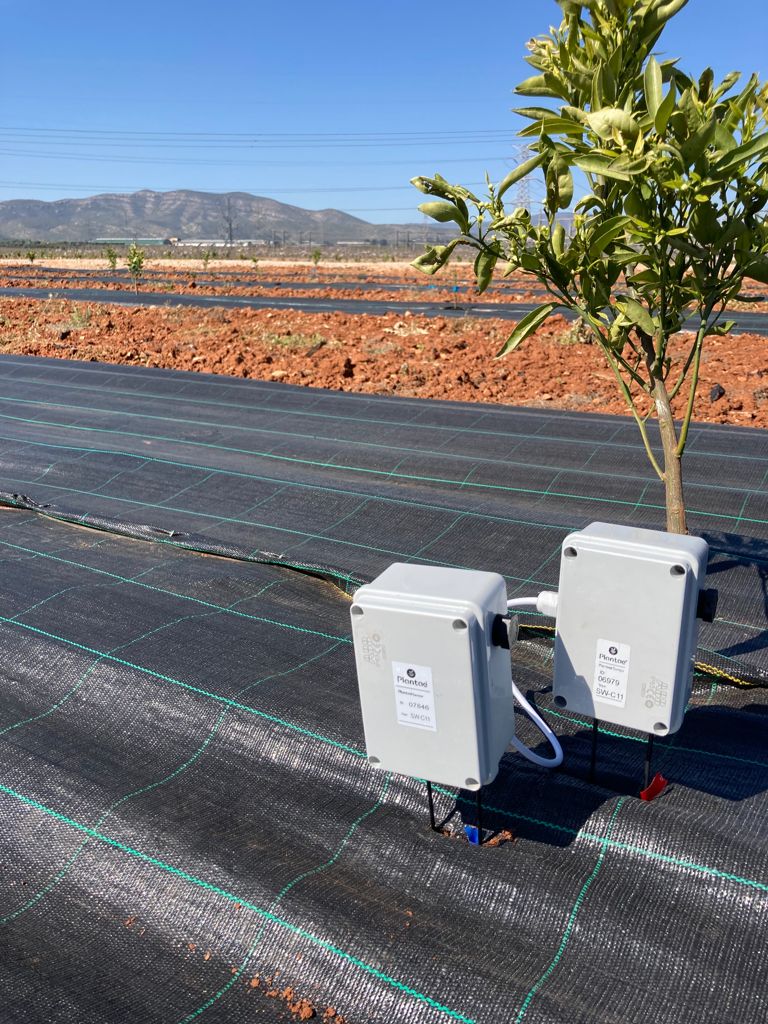
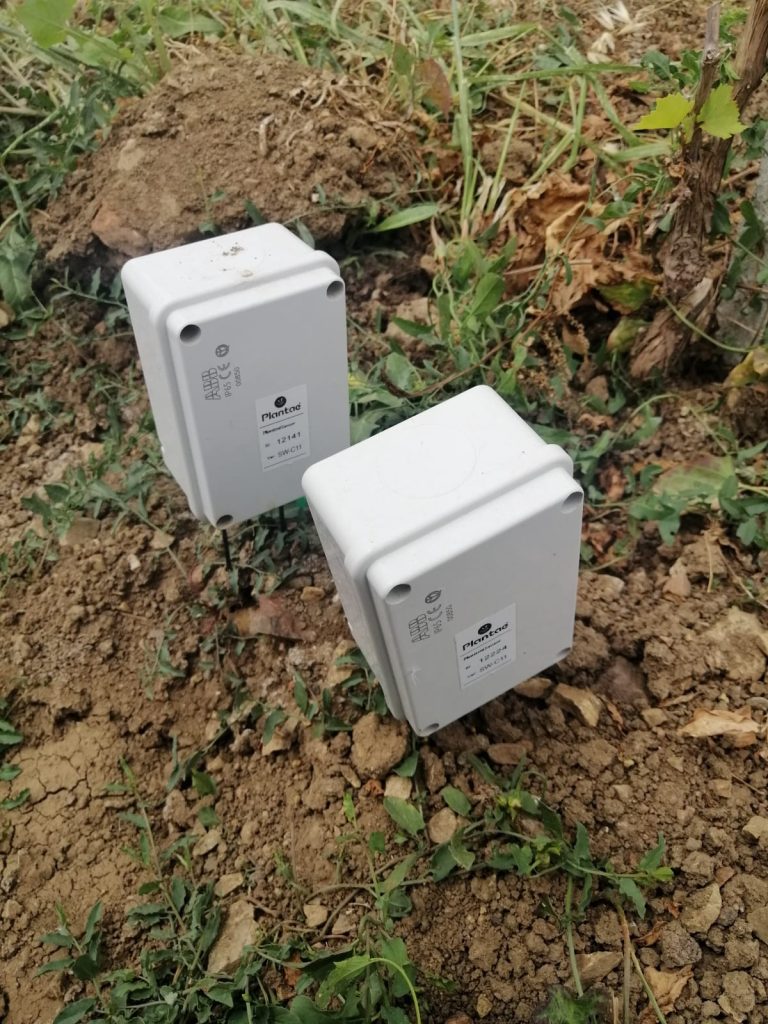
Plantae agricultural probes are key to meeting the objectives of the Water Framework Directive in agriculture because they help us manage crop irrigation water.
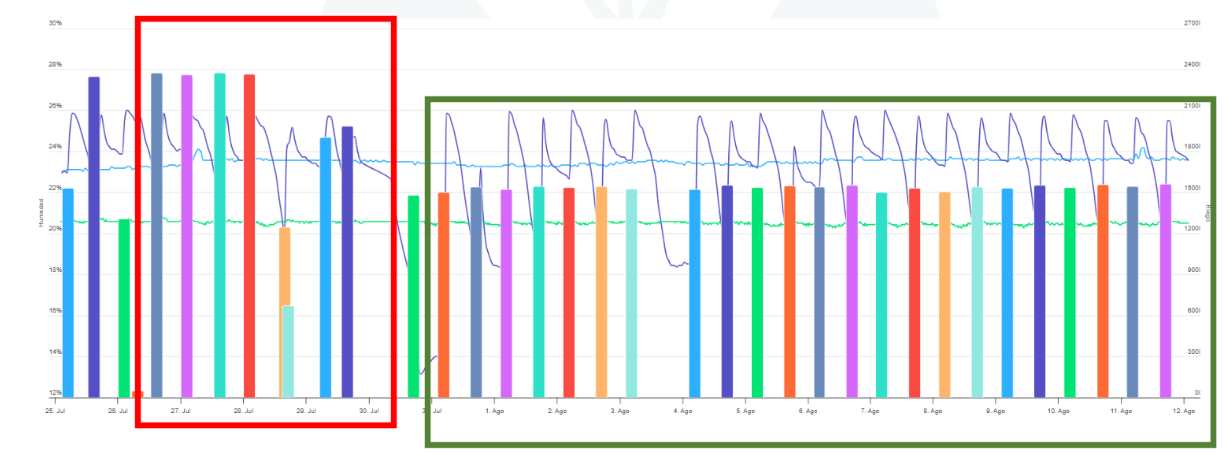
- Soil moisture probes at different depths. We can monitor and optimize water use in crops in real time, reducing environmental impact and ensuring quality. Runoffs that carry waste are avoided.
- Sondas de conductividad para control de salinidad. La salinidad es un problema clave en la gestión del agua y está contemplada en la Directiva Marco del Agua (DMA) (Directiva 2000/60/CE), ya que afecta la calidad de las aguas superficiales y subterráneas, la biodiversidad y el uso agrícola del agua. La escorrentía que se produce por un exceso de riego puede arrastrar estas sales y provocar contaminación. El control con sondas es imprescindible para optimizar el riego. Valoran la existencia de nitratos, pH, conductividad eléctrica.
- Flow meters. Control the amount of water and fertilizers, avoiding pollution by leaching of nitrates in aquifers. Excessive irrigation without adequate control accumulates salts in the soil and contaminates nearby bodies of water. Irrigation with groundwater causes saline intrusion if there is runoff.
Agricultural probes help meet Water Framework Directive (WFD) standards on water quality.
In Spain, there is an obligation to install humidity sensors, tensiometers or any other device to control water and pollution in the Mar Menor area.
Objective: reduce water consumption in agriculture
Sources
Plantae
 English
  Spanish