
Sondas y sensores para medir la humedad del suelo en la agricultura, tanto la tradicional como la intensiva, también en jardinería, alcanzando cotas de ahorro de agua desde un 10% a un 40%.
Sondas y sensores para medir la humedad del suelo en la agricultura
Technology has come to agriculture to stay for a myriad of reasons. The most important is saving water, due to the current problems of drought and for reasons of quality and quantity of the collected product.
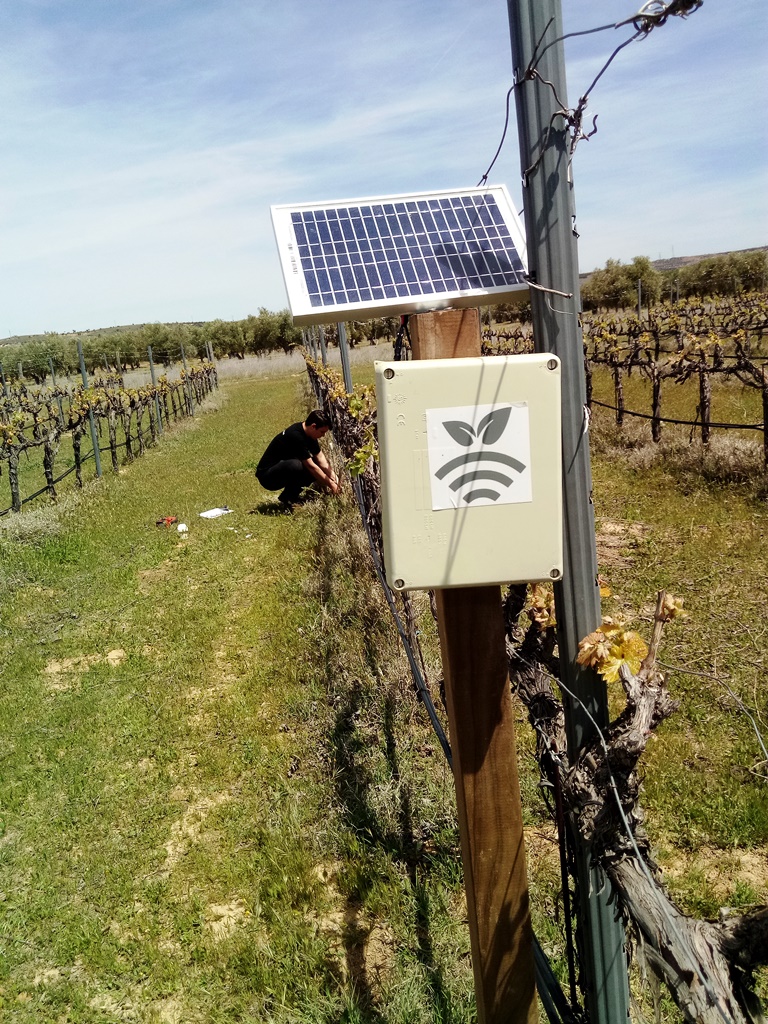
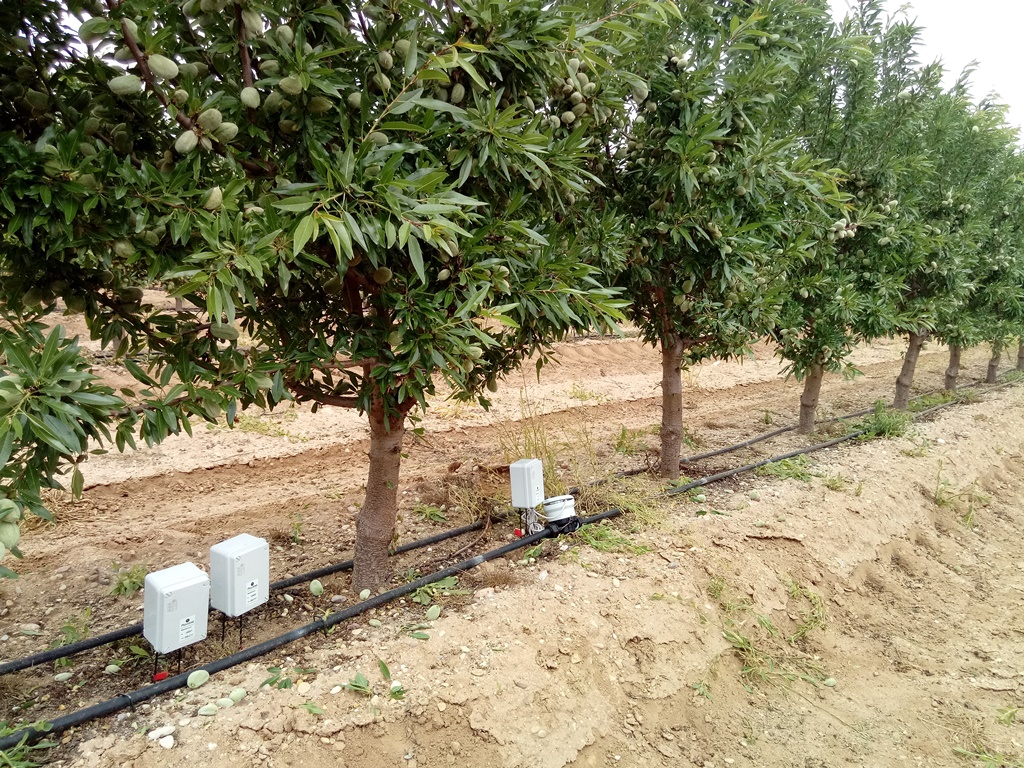
De todas las tecnologías aplicadas al campo de la agroalimentación, el apartado más olvidado es el control del suelo, en este punto entra la tecnología Plantae con las sondas y sensores para medir la humedad del suelo, la conductividad y temperatura. Las sondas y sensores están adaptadas al tipo de terreno y a la profundidad del sistema radicular.
In addition, with the Meteo station the relative humidity and the outside temperature are controlled and with the flowmeter the irrigation flow and possible incidents.
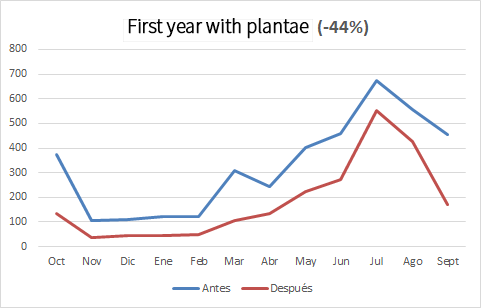
Importance of precision agriculture
All advances in precision technology for agri-food are essential at the present time, especially in intensive agriculture, applied to all types of crops. We have already collected in several articles the control of crops with technology:
- Internet use.
- Analysis of data.
- Satellite images.
- Drone.
- The terrain mapping.
- The use of probes and sensors.
Nuestra empresa no es la única que se hace eco de todos estos avances, la “Plataforma tierra” hace un interesante artículo recopilando toda esta información y destacando los avances de la startup Plantae en el mercado nacional e internacional.
Medir la humedad del suelo en la intensive agriculture
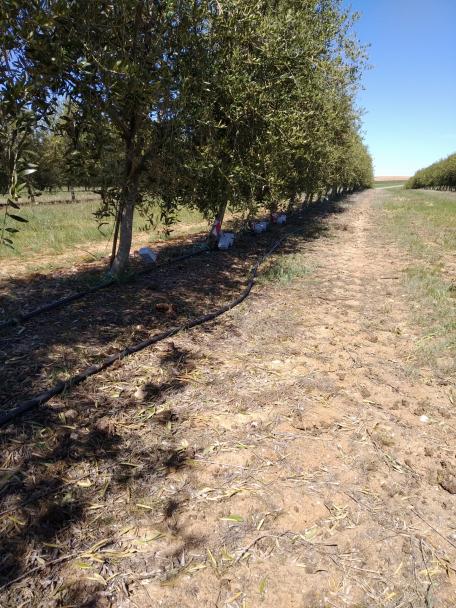
Como detalla el artículo de “tierra”, nuestra empresa es pionera en el control de humedad, conductividad y temperatura del suelo, especialmente en cultivos intensivos, destacando la instalación de 160 sensores en olivo super intensivo del “Alentejo” en Portugal, la razón principal es el ahorro de agua de riego procedente de la mayor presa de Europa que proporciona suministro de agua a 57.000 hectáreas.
This is probably the solution that we should promote in our country, the installation of aquifers and reservoirs that allow intensive plantations. The current water policy is not being managed well, and this affects the production of certain crops such as the Spanish olive grove and in general in all intensive agriculture, which needs more controlled water due to the increase in the number of plants per square meter.
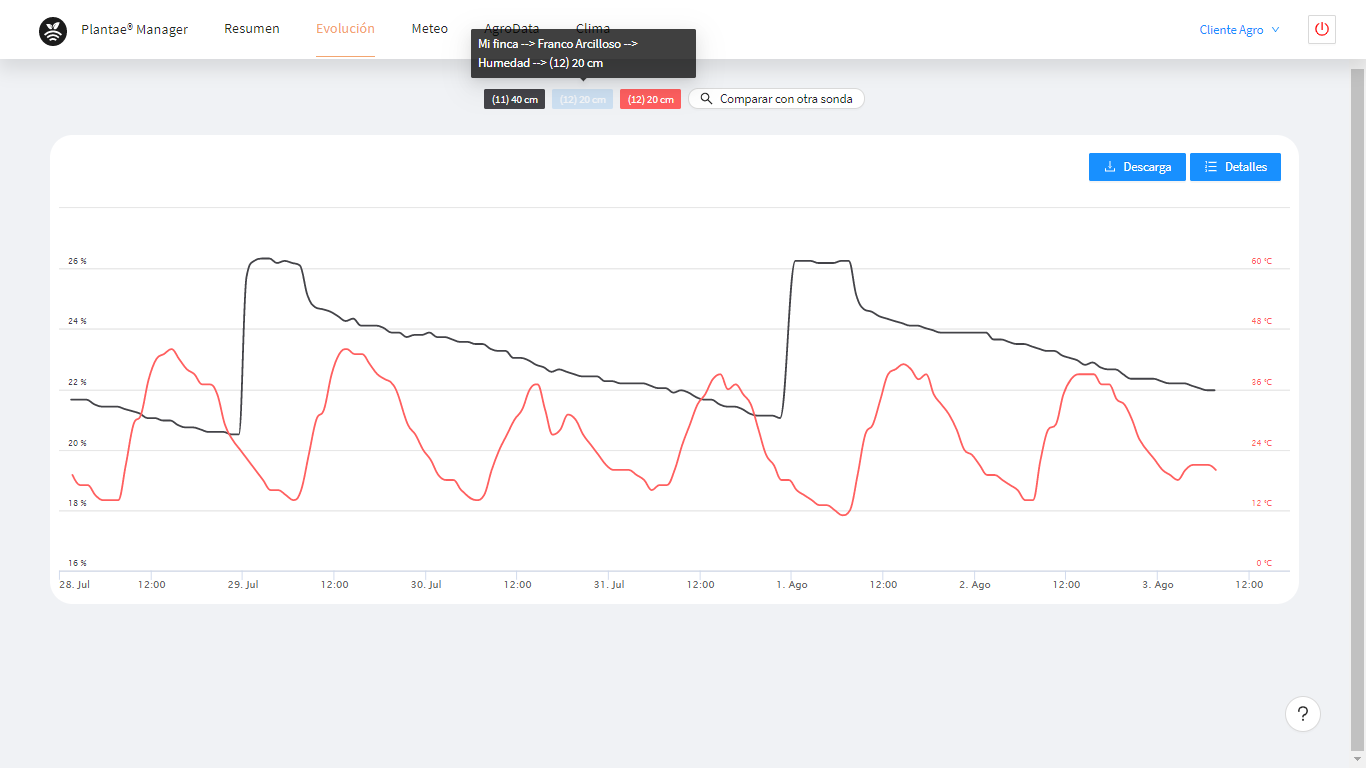
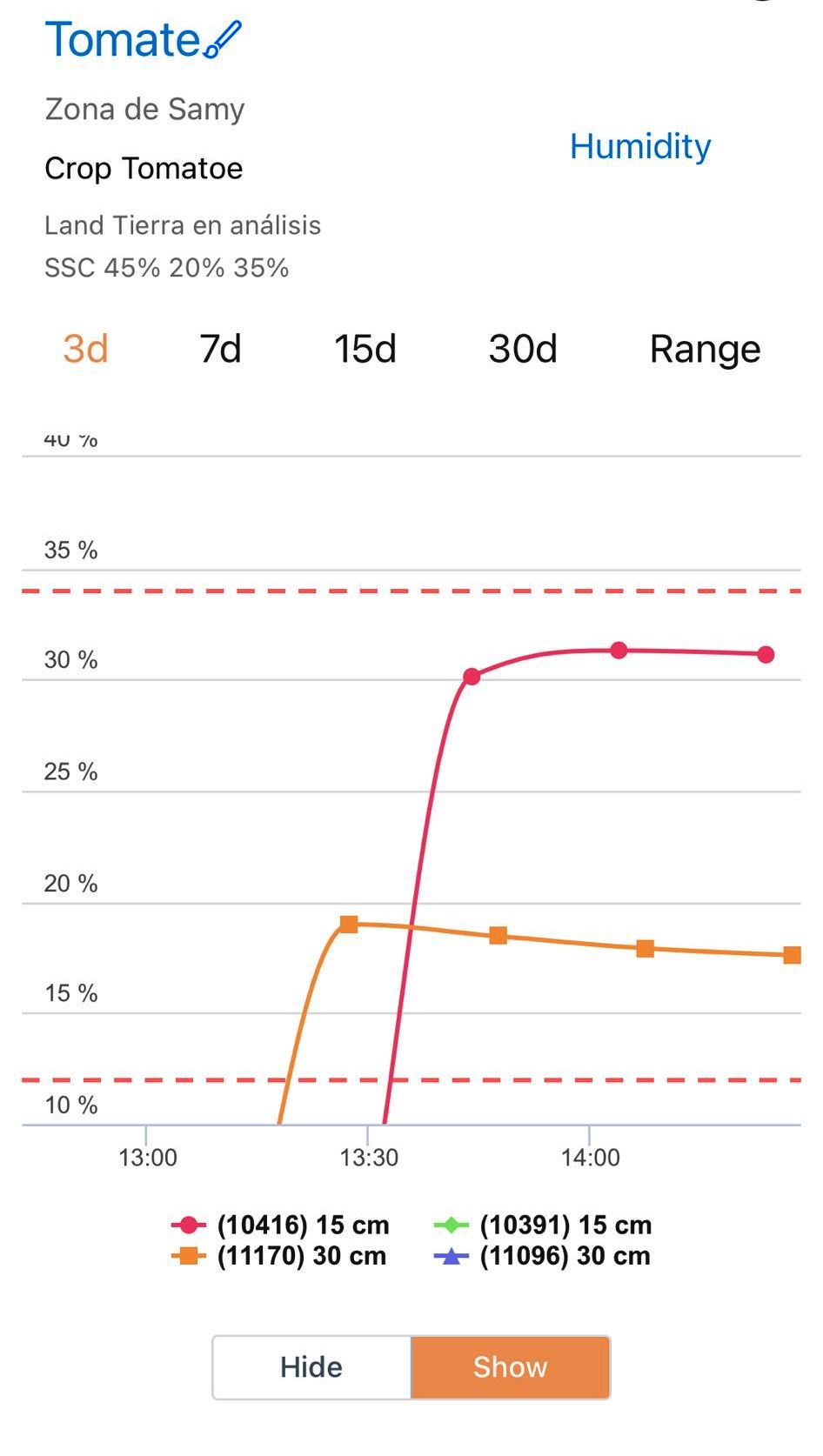
Good management of irrigation water and good control with probes and sensors means that production increases and we achieve sustainable and quality agriculture, according to the current moment.
All the information on irrigation control is collected on the Web platform that the farmer can access from his mobile or tablet, configuring alerts and observing reports and graphs that indicate the status of the farm at all times.
The crop is supervised without the need to travel
Water management in agriculture
Nobody questions the need to increase production worldwide due to the increase in population and in Spain we have the climatic conditions that allow an increase in intensive agriculture, but water management between communities is necessary.
According to the FAO, fresh water is sufficient but it is poorly managed, it is necessary to seek mechanisms that control crops to save them and at the same time increase production.
“Si existen los incentivos socioeconómicos apropiados, todavía existen amplias brechas ‘salvables’ en el rendimiento (es decir, diferencias entre el rendimiento agroecológicamente alcanzable y el rendimiento real) que podrían explotarse. Los temores de que los rendimientos estén llegando a una meseta no parecen estar justificados, excepto en muy pocos casos especiales”.
FAO
Spain has 1,225 large dams, over 15 meters high, although lately some have been demolished for ecological reasons. The dams make it possible to regulate the use of water and control its course, favoring irrigation in the border area. Spain is the fifth country in the world in aquifer resources. Therefore, our intensive and super-intensive agriculture is possible and saving irrigation water too
The estimated amount of water in agriculture is 72% according to studies Ministry of Agriculture of the agri-food sector, therefore we must guarantee sustainable water resources that meet the objectives of circular agriculture, making the most of it, avoiding evaporation and at the same time giving the plant the water it needs. needs to.
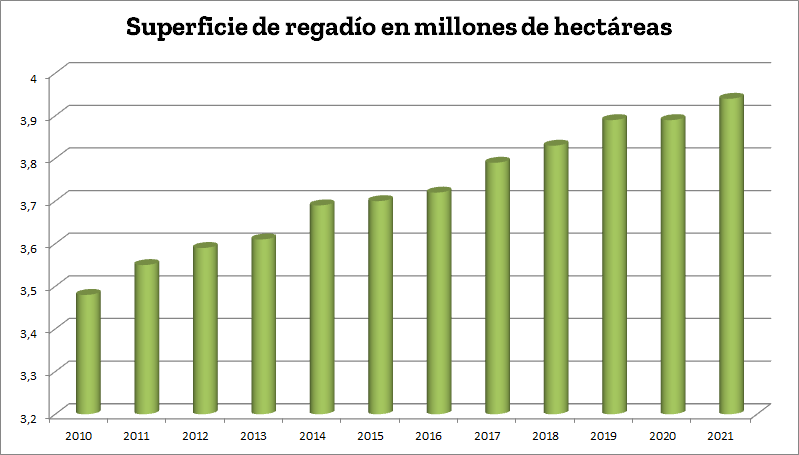
Currently, the National Irrigation Table and the Irrigation Sustainability Observatory are being prepared, of which we attach their draft, with the aim of improving and efficiency of irrigation sustainability. Another purpose of the decree is that the State and the autonomies have an exchange of information.
Summary of the main functions of the irrigation table:
- Water saving, where the irrigation probes and sensors will play a fundamental role.
- The digitization of farms.
- Monitoring of structures and information on innovations in the sector.
Sources:
Department of agriculture
 English
  Spanish