
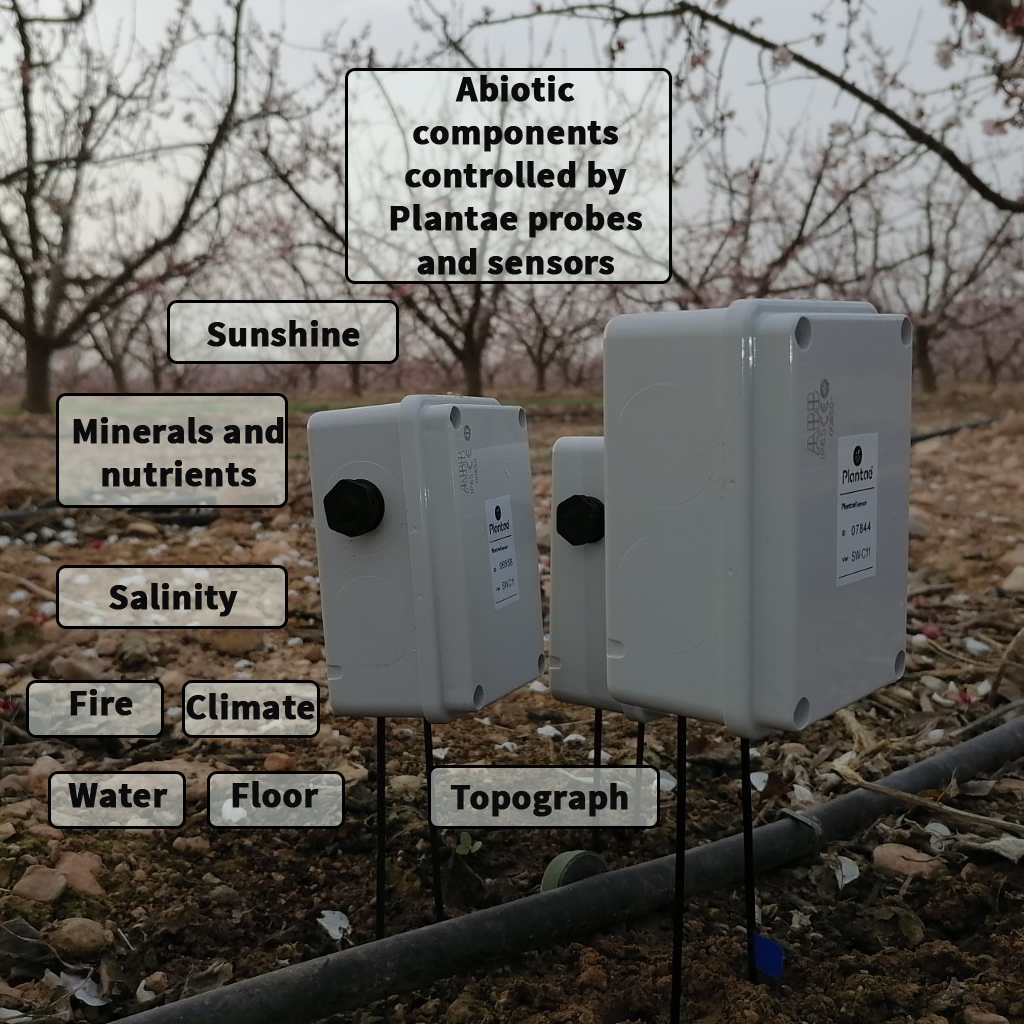
Abiotic components are non-living elements or physical and chemical factors that influence ecosystems and affect the organisms that inhabit them. In our case, we will focus on crops and their control by probes.
Types of abiotic components that affect crops
Climate
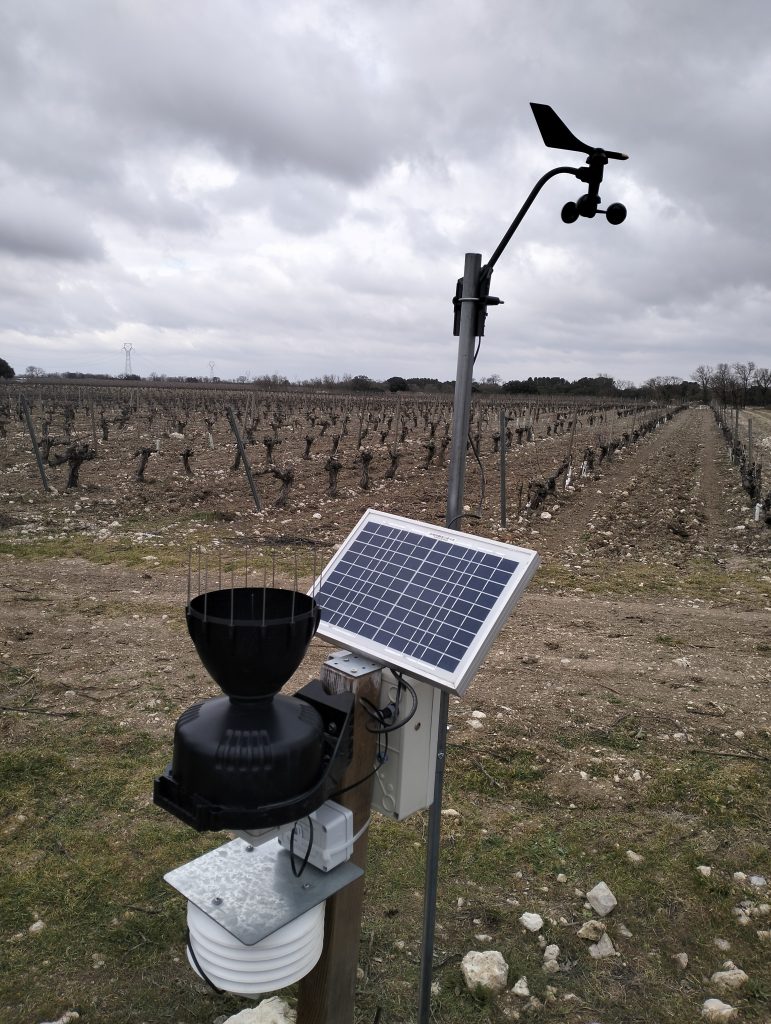
It includes factors such as temperature, relative humidity, sunlight, wind speed and precipitation. Climate has a significant impact on agriculture and the productivity of ecosystems.
Measuring your parameters with the station meteo de Plantae which includes an anemometer. It indicates in real time and with wireless technology all the changes that occur.
They help with decision making, for planting, pruning, harvesting…
Floor
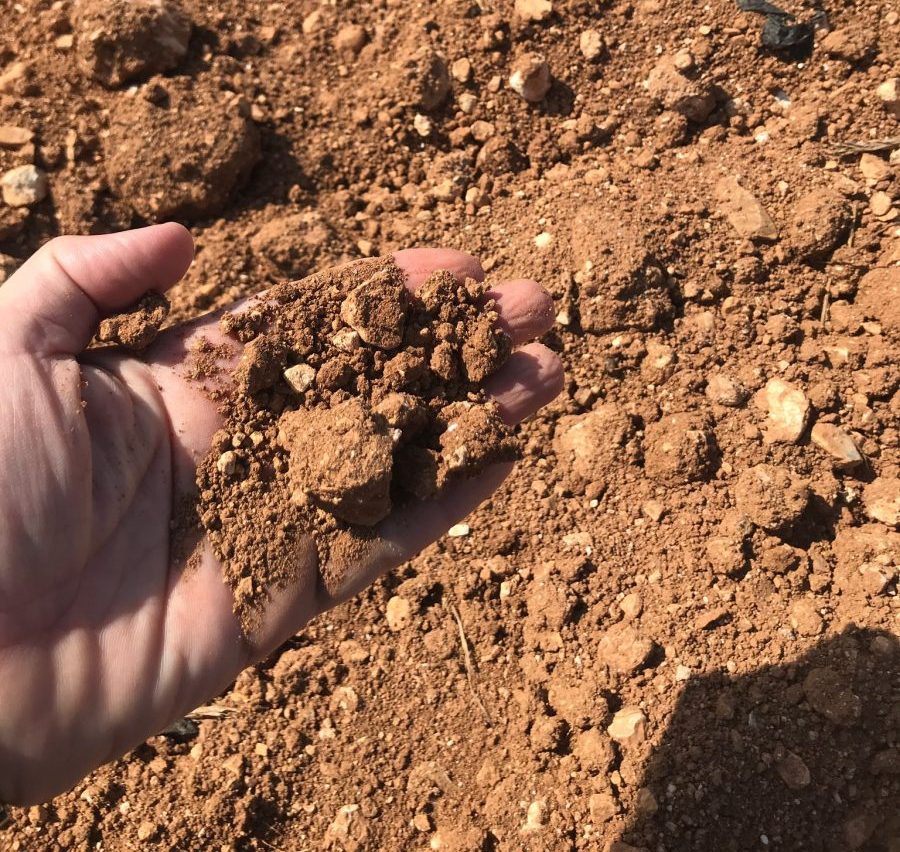
Las características del suelo, como la textura, la composición química, la capacidad de retención de agua y la presencia de nutrientes, afectan directamente la salud de las plantas y, como consecuencia a la estructura de los ecosistemas en general.
Plantae offers a gravimetric analysis service that indicates soil absorption and humidity control needs.
- Sand: Larger particles. Sandy soils have a coarse texture and generally have good aeration and drainage, but retain less water and nutrients.
- Silt: Particles of intermediate size between sand and clay. Silty soils have a silky texture and offer a balance between water retention and drainage capacity. They are rich in nutrients.
- Clay: Smaller particles. Clay soils have a fine texture and retain water and nutrients well, but may have drainage and aeration problems.
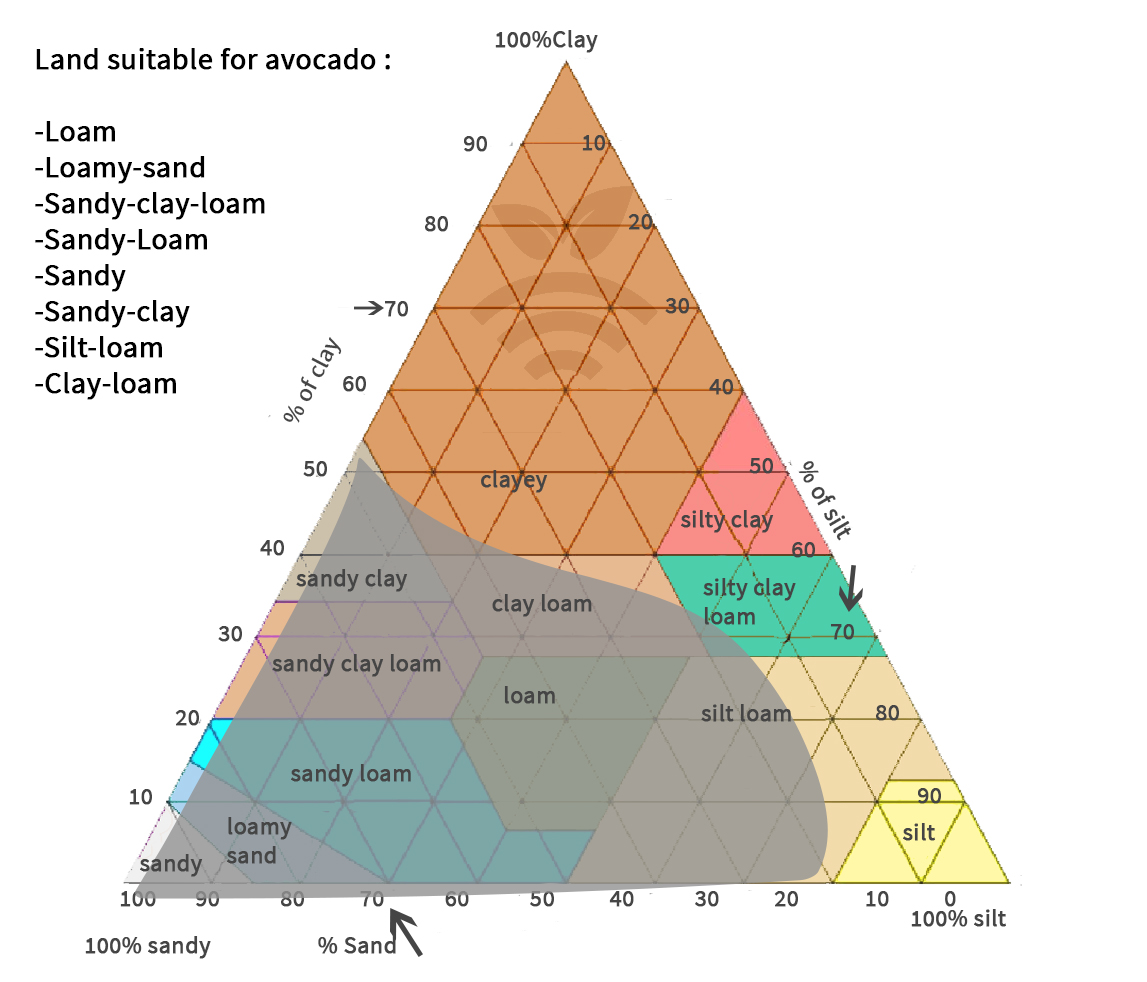
The combination of these three types of particles gives rise to different soil textures, such as: loam soil (balanced mixture of sand, silt and clay), clayey soil, silty soil, sandy soil…
Soil texture is an important characteristic to consider in agriculture and soil management as it influences crop choice, irrigation practices, and fertilizer application. Soil texture testing is performed to determine the relative proportion of these components and to aid in agronomic decision making.
Water, the main abiotic component of crops
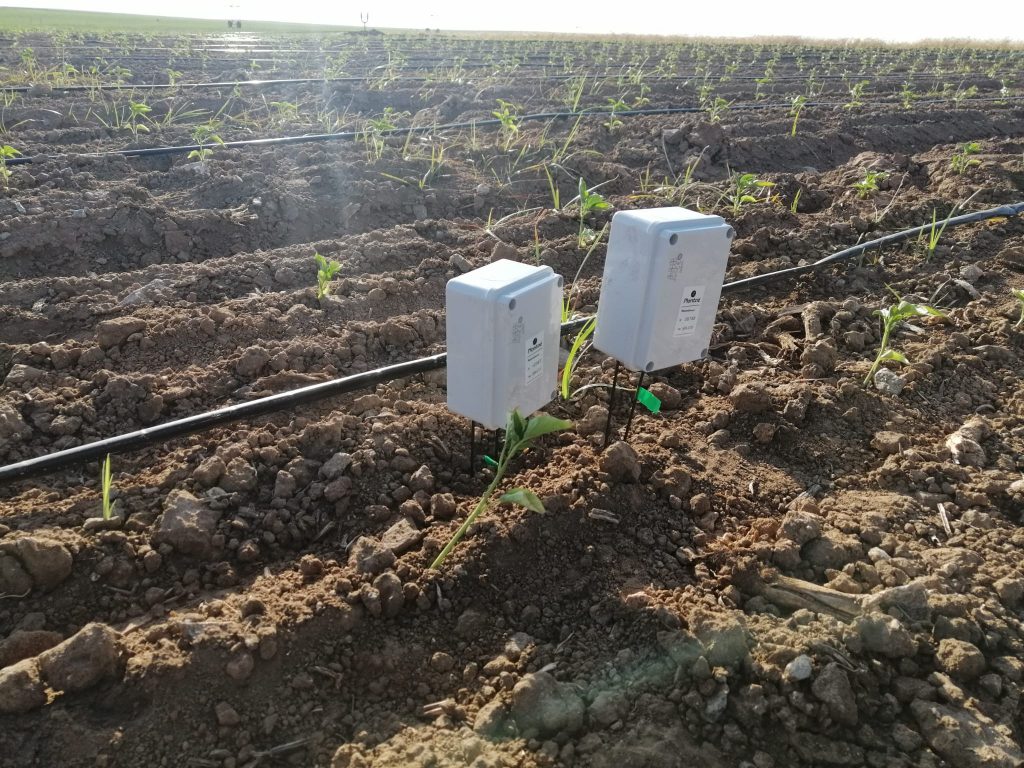
Water availability and quality are key factors. The amount of water available, its pH, salinity and temperature influence aquatic life and surrounding vegetation.
All these parameters are measured in real time with the wireless soil humidity, temperature and conductivity sensors.
Salinity
It is the concentration of dissolved salts in water or soil. This is a critical aspect for many ecosystems and for agriculture, since high levels of salinity can negatively affect plant growth and the health of aquatic organisms.
In water, lsalinity is usually measured in parts per thousand (ppt) or parts per milligram per liter (mg/L). Waters with low salinity are considered fresh, while waters with high salinity are considered saline. Seawater, for example, has an average salinity of about 35 ppt.
In soil, salinity can be expressed in terms of the amount of soluble salts in the infiltration water. A soil is considered saline when it contains significant levels of soluble salts that can negatively affect plant growth.
High salinity concentrations can have several adverse effects:
- Effects on plants: Plants need water to grow, but the presence of high concentrations of salinity in the soil can make it difficult for the roots to absorb water, leading to dehydration of the plants.
- Impact on water quality: Salinity affects the quality of water for human consumption and can influence aquatic life.
- Soil degradation: The accumulation of salts in the soil can cause soil degradation, affecting its structure and fertility.
- Problems in agriculture: Soil salinity can limit the ability to grow certain crops and reduce agricultural productivity.
Salinity can be natural, such as in areas with saline soils, or induced by human activities, such as excessive irrigation with saline water. Proper salinity management is essential to maintaining ecosystem health and ensuring sustainability in agriculture. Practices such as improved drainage, appropriate crop selection, and controlled water application can be used to address salinity problems in soils and waters.
Sunshine
Solar energy is essential for photosynthesis, the process by which plants and other photosynthetic organisms convert light into chemical energy. The intensity, duration, and quality of light affect food production and the behavior of crop organisms.
Topography
The shape of the land, such as altitude, slope and orientation, can influence the distribution of irrigation and the type of crop.
Minerals and nutrients
The presence and availability of minerals and nutrients in soil and water are essential for the growth and development of plants and other organisms.
Fire
Although it may have a biotic origin, fire is an important abiotic factor. It can affect the structure of the landscape and the composition of vegetation, as well as having an impact on the regeneration of certain ecosystems.
Interaction of abiotic components
These abiotic components interact with each other in complex ways, shaping the dynamics and structure of ecosystems. Controlling these factors is essential to understanding agriculture in a given area and developing crop growth strategies.
Sources:
 English
  Spanish