
Organic farming is a sustainable agricultural approach, based on practices that seek to maintain and improve soil health, biodiversity and ecosystems in general.
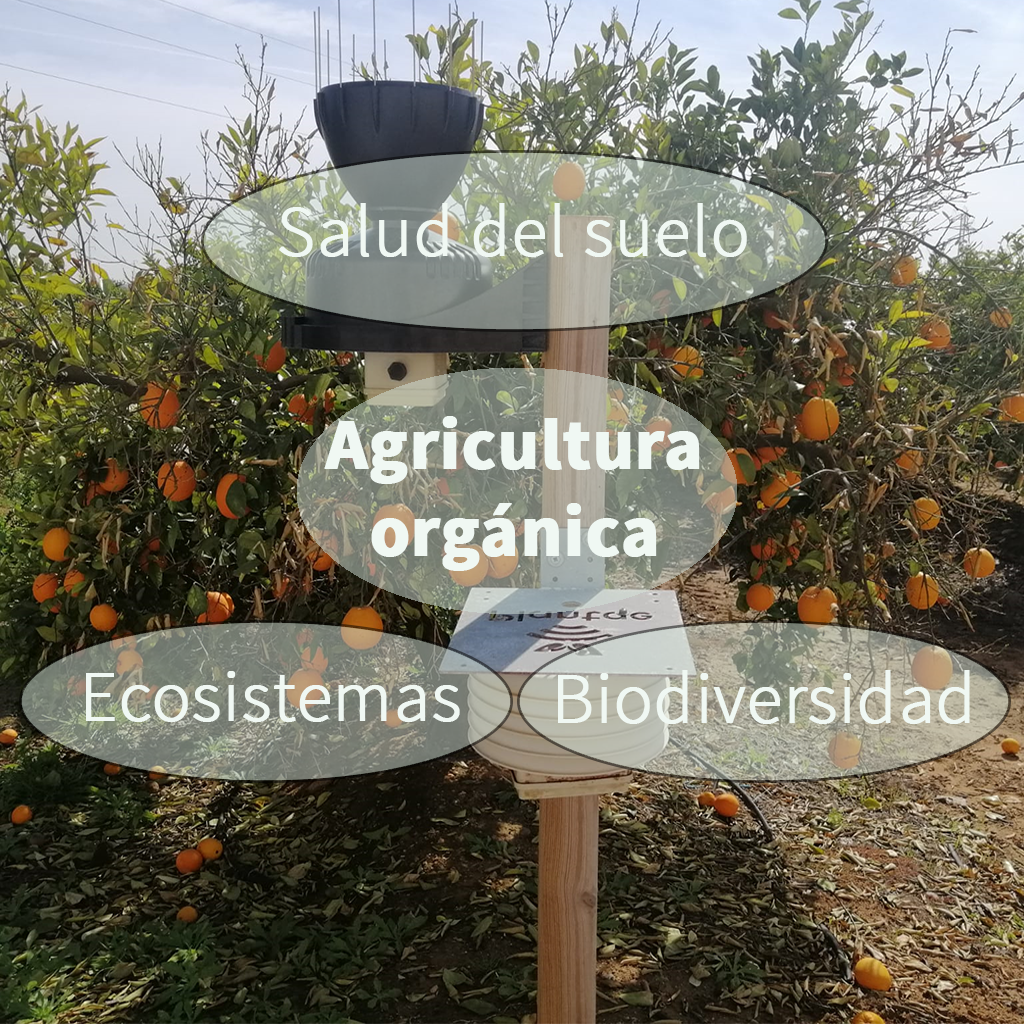
Keys to organic farming
Using natural fertilizers for soil health
Synthetic chemical fertilizers are avoided and natural sources of nutrients will be used, such as compost, manure, organic waste and biodynamic agriculture.
- Manure: Animal manure, such as cow, horse, sheep, chicken, etc., is a rich source of organic nutrients such as nitrogen, phosphorus, and potassium. It also helps improve soil structure and its ability to retain water.
- Compost: Composting is the process of breaking down organic materials, such as kitchen scraps, garden waste, and manure. Compost is rich in nutrients and improves soil structure, promoting beneficial microbial activity.
- Green manures: These are plants that are grown and then incorporated into the soil to improve its fertility. Examples of green manures include alfalfa, clover, and mustard. These plants often have the ability to fix atmospheric nitrogen into the soil.
- Bone meal: This by-product of the meat industry contains phosphorus and calcium, which are beneficial for root development and the formation of flowers and fruits.
- Natural phosphate: Extracted from mineral deposits, natural phosphate is a source of phosphorus.
- Guano: Excrement from seabirds or bats, guano is rich in nutrients such as nitrogen and phosphorus.
- Wood ash: Wood ash is a source of potassium and other minerals. However, it should be used sparingly as it can raise soil pH.
- Vinase: A liquid byproduct of alcohol or sugar production, vinasse is rich in nutrients and can be used as a fertilizer.
Soil management
Crop rotation, the use of plant cover and the application of practices to improve soil structure and its capacity to retain water are encouraged.
Pest and disease control
Instead of synthetic pesticides, organic methods are used to control pests and diseases, such as the introduction of beneficial insects, the use of trap crops, and crop rotation.
No to the use of GMOs (Genetically Modified Organisms)
Organic farming prohibits the use of genetically modified seeds.
Respect for biodiversity
Crop diversity and the preservation of natural habitats are promoted to encourage biodiversity.
- Ecological Resilience, or the ability of an ecosystem to withstand, recover from, and adapt to environmental disturbances or changes: Maintaining its natural cycles, such as the water, carbon, and nutrient cycles, contributes to its resilience.
- Climate and Water Cycle Regulation: Ecosystems contribute to the regulation of the global climate and maintain essential hydrological cycles.
- Pollination Services: Many plant species rely on pollination by animals, such as bees and butterflies, to reproduce. This is crucial for food production.
- Recreation and Wellbeing: Biodiversity also contributes to human wellbeing by providing recreational and aesthetic venues.
No to the use of hormones and antibiotics in animals
In organic animal production, the use of growth hormones and antibiotics is avoided, and access to outdoor spaces is prioritized.
Ecosystems
- Biotic Components: They include all life forms present in an ecosystem, such as plants, animals, fungi, bacteria and other microorganisms. These interact with each other in complex relationships, such as competition, predation, symbiosis and mutualism.
- Abiotic Components: These are the non-living factors of the environment, such as soil, water, climate, sunlight, and nutrients. These abiotic elements influence the distribution and behavior of organisms in the ecosystem.
- Biogeochemical Cycles: These are the cyclical movements of essential chemical elements, such as carbon, nitrogen, phosphorus and water, between the biotic and abiotic components of the ecosystem.
- Energy Flows: Energy flows through the ecosystem, generally in a unidirectional direction from the sun through producers (such as plants) and then through the different trophic levels (herbivores, carnivores, decomposers).
- Food Chains and Food Webs: The feeding relationships between different organisms in an ecosystem are represented by food chains and food webs, which illustrate how energy and nutrients are transferred through the different trophic levels.
- Ecological Succession: It is the gradual process of change in species composition in an ecosystem over time, which can be caused by natural disturbances, such as fires or floods, or by human influence.
- Biodiversity: The variety of species and the relative abundance of each species in an ecosystem. Greater biodiversity generally contributes to ecosystem stability and resilience.
- Ecosystem Services: Ecosystems provide a variety of essential services to humans, such as water purification, crop pollination, climate regulation, and recreation.
Organic farming certification
It is a process by which farmers and producers meet specific standards to ensure that their products are produced according to the principles of organic farming. Certification varies by region and country.
Organic farming has environmental and health benefits, but can also present challenges in terms of yield and costs. However, its popularity has been on the rise due to growing demand from consumers concerned about sustainability and food quality.
Sources:
 English
  Spanish