
Every April 22nd, Earth Day is celebrated, a key date to reflect on the state of the planet and the need to protect natural resources. It originated in 1970, spearheaded by U.S. Senator Gaylord Nelson, and today it mobilizes millions of people worldwide in support of the environment.
Agriculture in Spain is relevant on Earth Day
In Spain, this day takes on special significance due to the importance of agriculture and its heavy reliance on factors such as water, soil, and climate. Spanish agriculture faces major challenges: recurring drought, soil degradation, and rising temperatures, all linked to climate change. These problems directly affect iconic crops such as olives, grapes, and nuts.
Spanish agriculture, however, is also part of the solution. In recent years, more sustainable practices within sustainable agriculture have been promoted, such as the efficient use of irrigation, the reduction of chemical fertilizers, and the commitment to renewable energy on farms. These measures not only help reduce the environmental impact but also improve the sector's resilience to future crises.
Plantae, present in Spanish agriculture, celebrates Earth Day
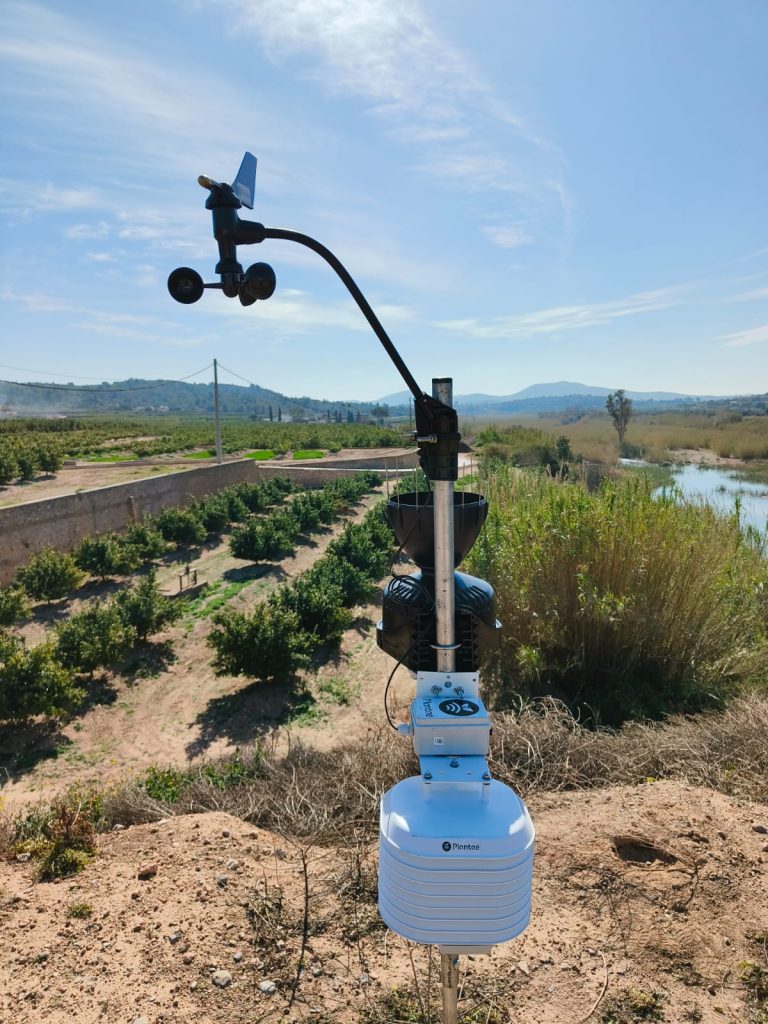
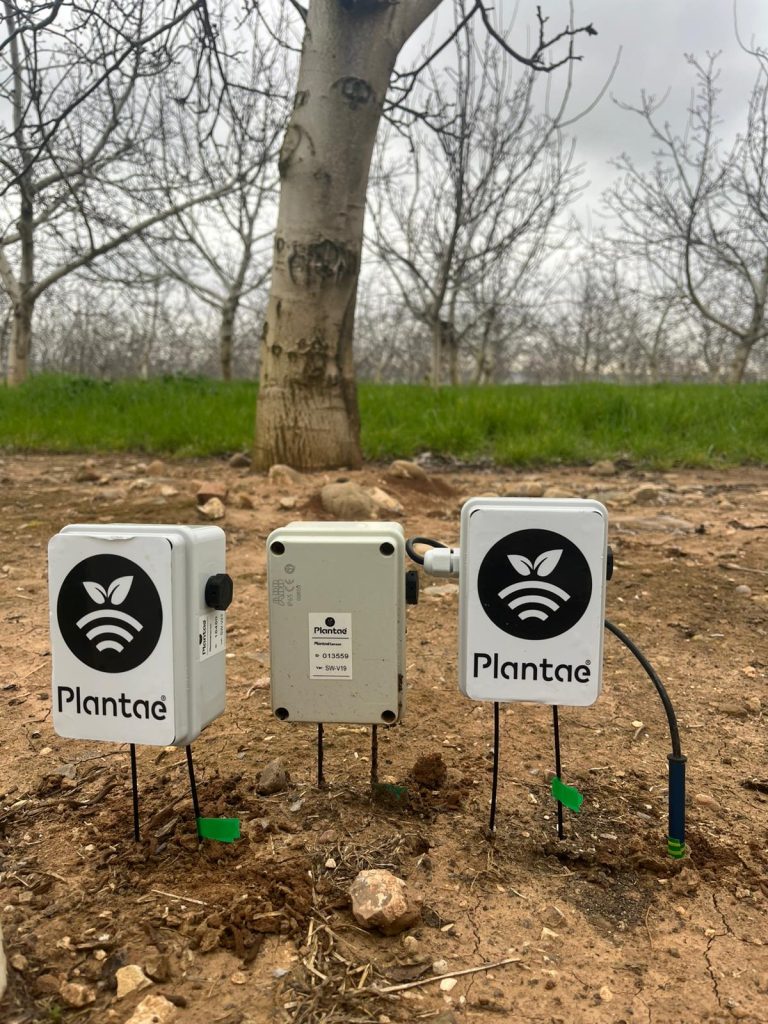
Furthermore, innovative initiatives like Plantae are contributing to transforming the agricultural model. Through technologies that optimize water and energy use, they promote more efficient and environmentally friendly production. These types of solutions are key in a country where water is a limited and increasingly valuable resource.
Ultimately, Earth Day is not just a symbolic celebration, but a call to action. In Spain, caring for the land also means caring for its agriculture, supporting practices that guarantee quality food without compromising the resources of future generations.
Sources
Plantae
 English
  Spanish