
Aromatic plants are plant species that possess a characteristic aroma due to the presence of volatile chemical compounds in their leaves, flowers, stems, or roots. These plants are cultivated and used primarily for their fragrance and flavor, and are employed in a variety of applications, such as cooking, herbal medicine, perfumery, aromatherapy, and gardening.
Watering aromatic plants
Proper watering for herbs can vary depending on the species and specific growing conditions.
- Aromatic plants generally prefer slightly dry soil rather than consistently moist soil. It's important to monitor the humidity of the root system to avoid waterlogging, which can damage roots and promote fungal growth.
- Using sensors for irrigating aromatic plants can be very beneficial in optimizing water use and ensuring efficient irrigation.
- Soil moisture sensors: They are wireless and measure humidity in real time, allowing you to know the moisture level in the root zone of your plants. With this information, you can adjust watering precisely and avoid both overwatering and underwatering. Soil moisture sensors are particularly useful for herbs, as watering can be adjusted to keep the soil slightly dry, avoiding overwatering problems.
- Soil temperature sensors: These measure the temperature in the root zone of plants. These sensors are especially useful in the cultivation of aromatic plants, since soil temperature can influence their growth, development, and production of aromatic compounds.
- Soil conductivity sensors: These are devices used to measure the electrical conductivity of the soil, which can provide information about salinity and nutrient availability in the soil. These sensors can be useful in the cultivation of aromatic plants because some aromatic plants are sensitive to soil salinity. Soil conductivity sensors help monitor and assess soil salinity, allowing appropriate measures to be taken to correct and prevent problems associated with salt buildup in the soil. This is especially important in areas with high soil salinity or when using saline irrigation water.
Some varieties of aromatic plants
Basil Greenhouses
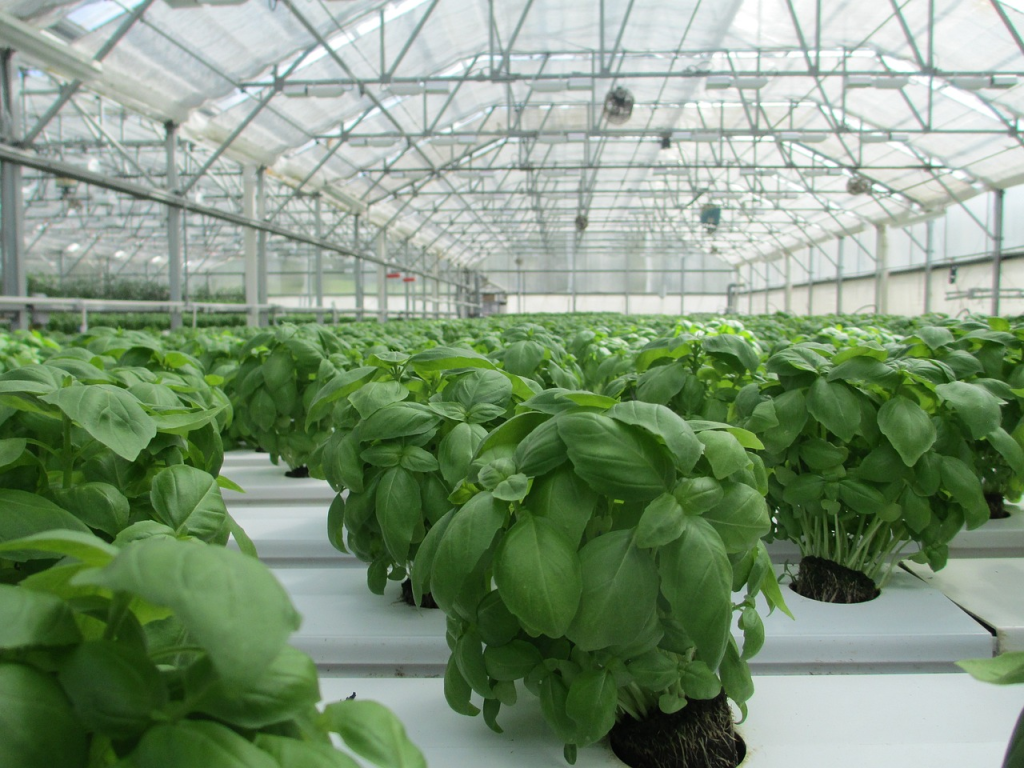
Basil is a highly aromatic annual plant. It can be grown in pots or directly in the ground in warm climates. It requires direct sunlight, regular watering, and well-drained soil. It is recommended to pinch the tips to promote more compact growth and harvest the leaves periodically to encourage new growth.
Especial para el típico “pesto”.
Rosemary
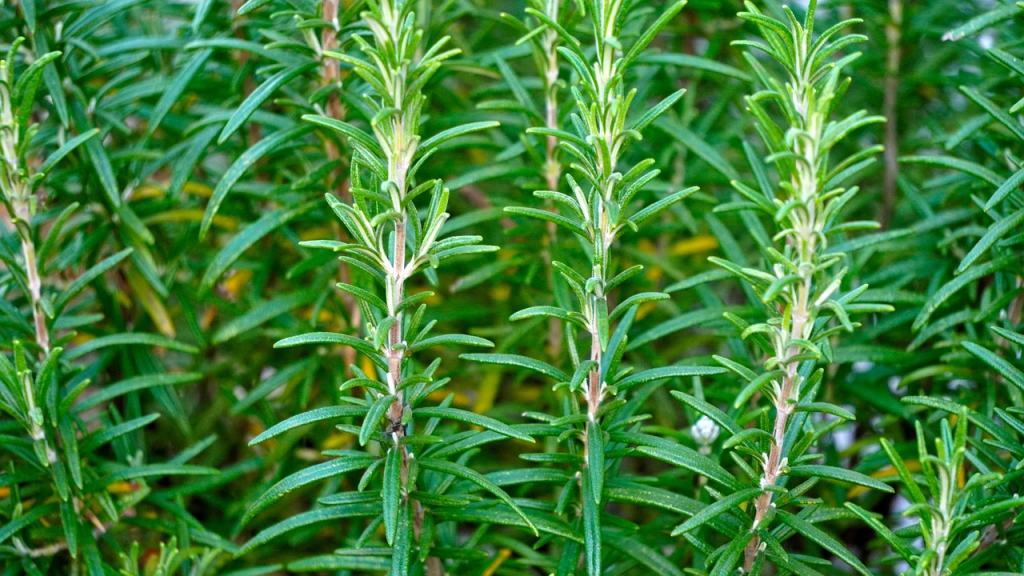
Rosemary is widely used in cooking as an aromatic herb. Its leaves can be used fresh or dried to season a variety of dishes, including meats, poultry, fish, sauces, soups, stews, and marinades.
It provides a characteristic flavor and aroma to culinary preparations.
Mint
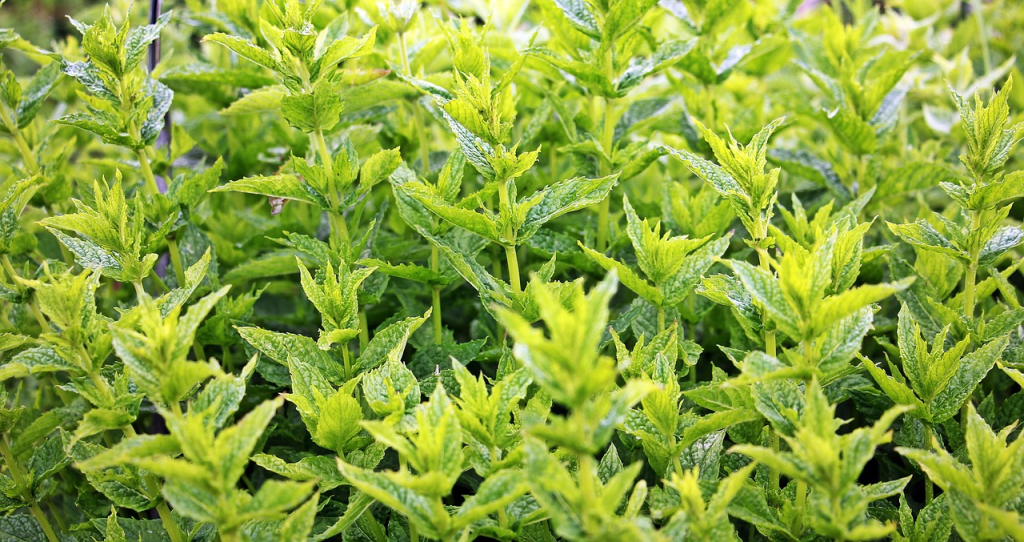
It is a perennial herbaceous plant from the Lamiaceae family, known for its fresh, minty aroma. There are many varieties of mint, the most common being peppermint (Mentha x piperita) and spearmint (Mentha spicata). It is used in infusions and beverages.
Mint infusion is refreshing and can be consumed as a hot or cold beverage. It's also used in cocktails, such as the mojito, and in refreshing drinks like iced tea.
Thyme
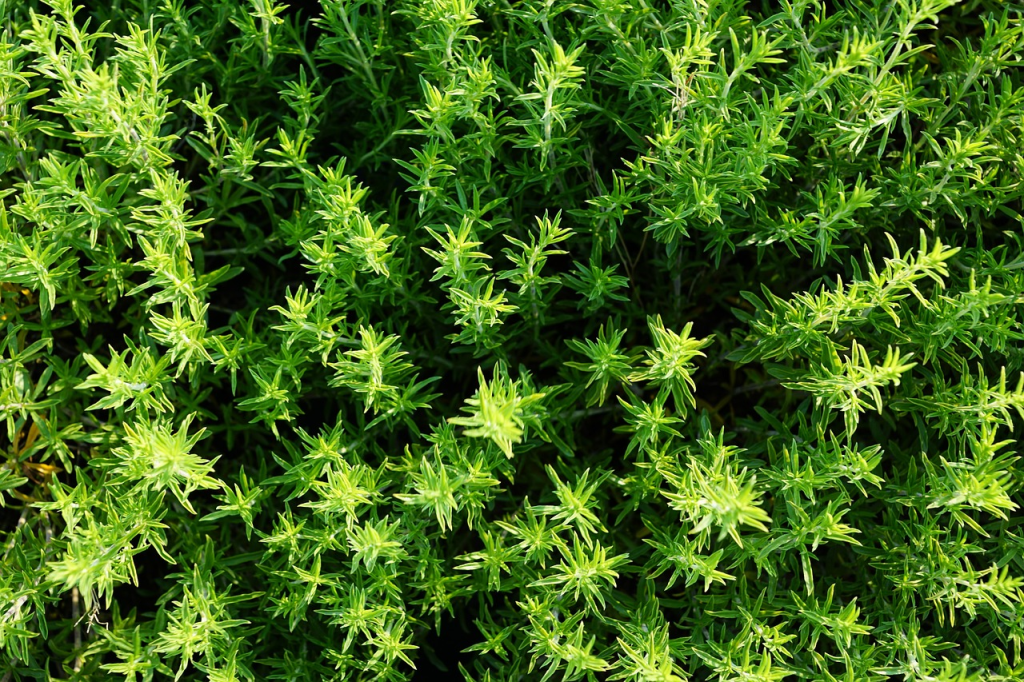
It is an aromatic, perennial plant belonging to the Lamiaceae family. It is known for its distinctive aroma and strong, earthy flavor. Thyme is widely used in cooking as an aromatic herb. Its leaves are added to a variety of dishes, including meats, poultry, fish, soups, stews, and sauces. It adds a characteristic, aromatic flavor to culinary preparations, especially in Mediterranean dishes.
Lavender
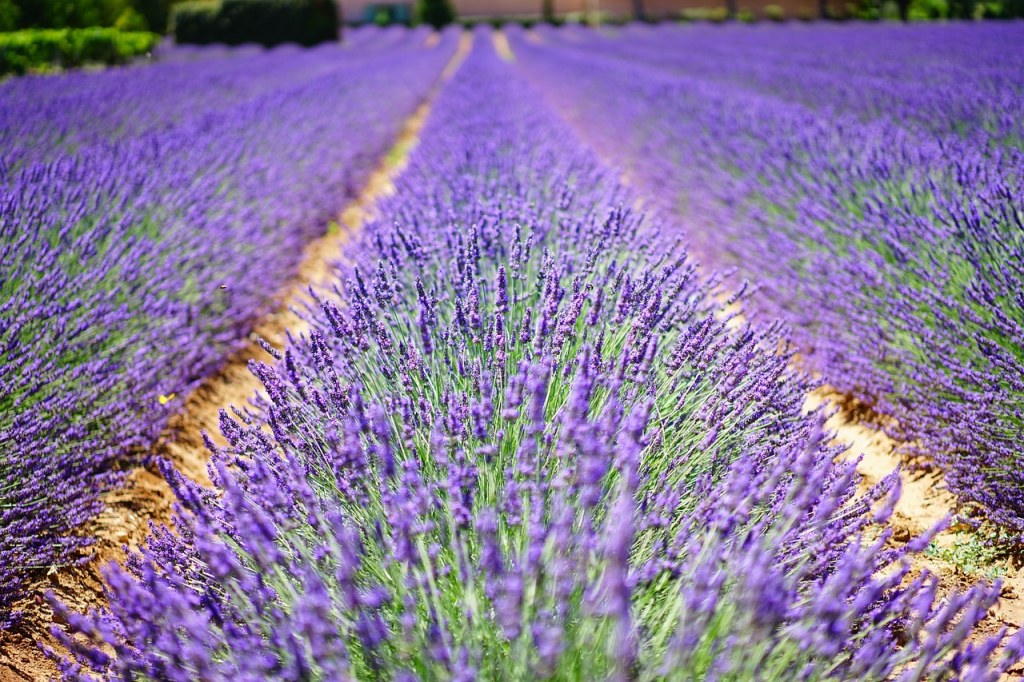
It belongs to the Lamiaceae family. It is characterized by its fragrant purple, blue, or white flowers and distinctive floral aroma.
Lavender is widely used in aromatherapy due to its relaxing and calming aroma.
Its aroma is believed to help reduce stress, promote relaxation, and improve sleep quality. Lavender essential oils are used in diffusers, aromatherapy baths, and personal care products.
Intensive coriander plantation
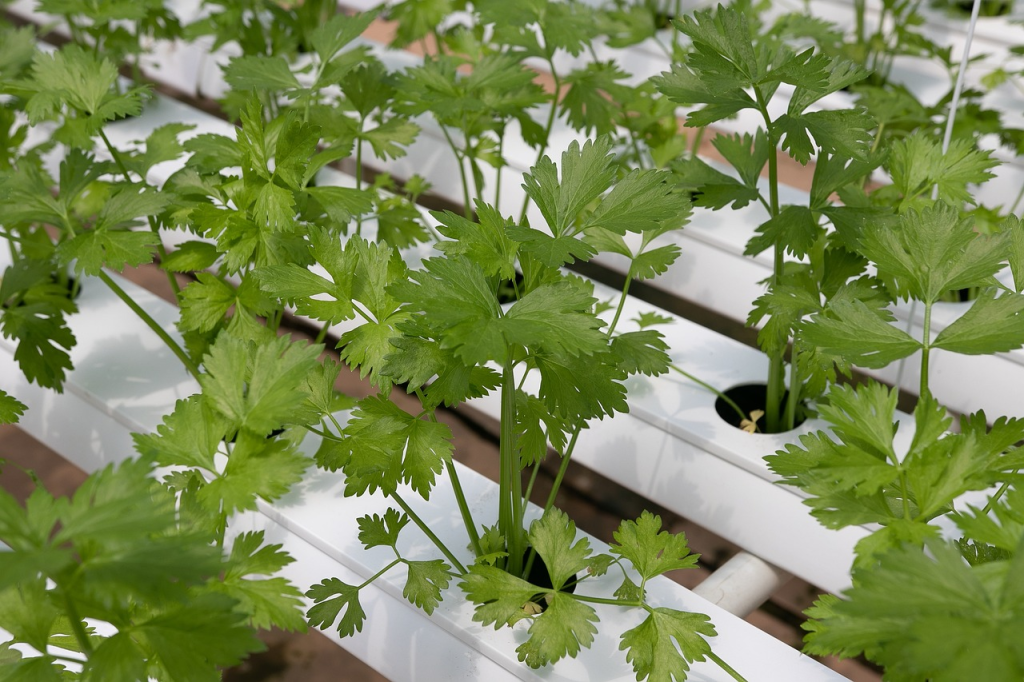
It is especially used in Mexican, Indian, Thai, and Middle Eastern cuisine. Cilantro leaves have a distinctive flavor and are used fresh or dried to add flavor and aroma to savory dishes. They are added to salsas, guacamole, salads, curries, rice dishes, soups, and other dishes. It is also used as a garnish or garnish.
Tarragon (Artemisia dracunculus)
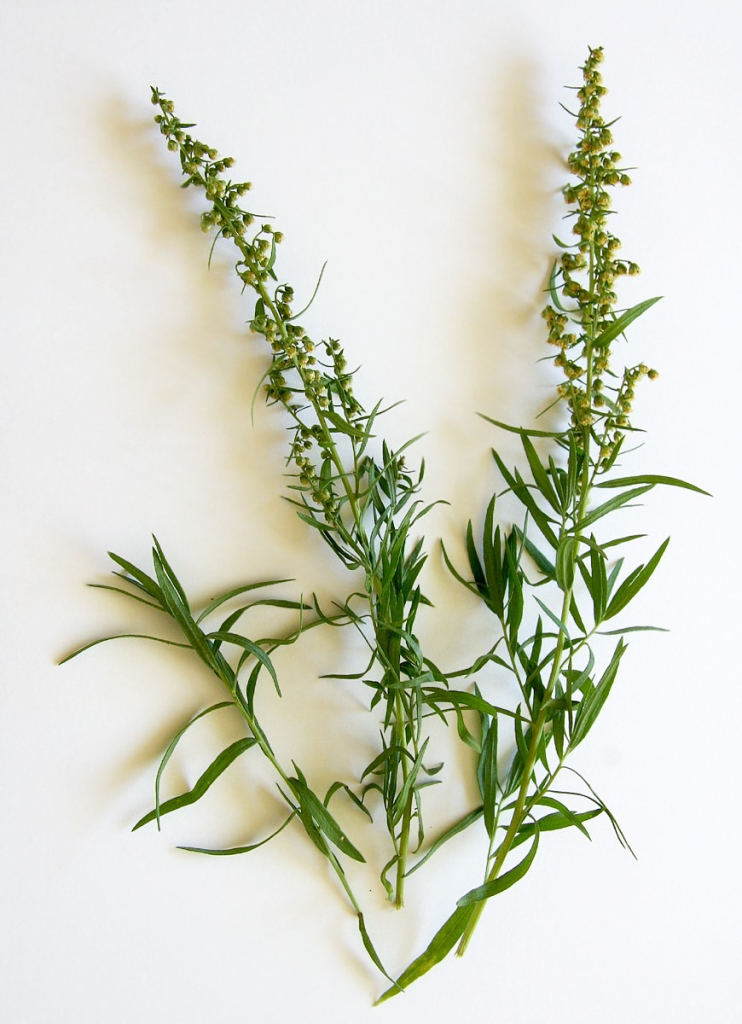
Es de la familia de las Asteráceas. Se caracteriza por sus hojas alargadas y estrechas que tienen un sabor distintivo y aromático. El estragón se utiliza en la cocina, especialmente en la francesa. Sus hojas tienen un sabor único, agridulce y ligeramente anisado. Condimenta una variedad de platos, como salsas, vinagretas, marinados, adobos, guisos, sopas, ensaladas y platos de pescado. También se utiliza en la preparación del famoso “vinagre de estragón”.
Peppermint
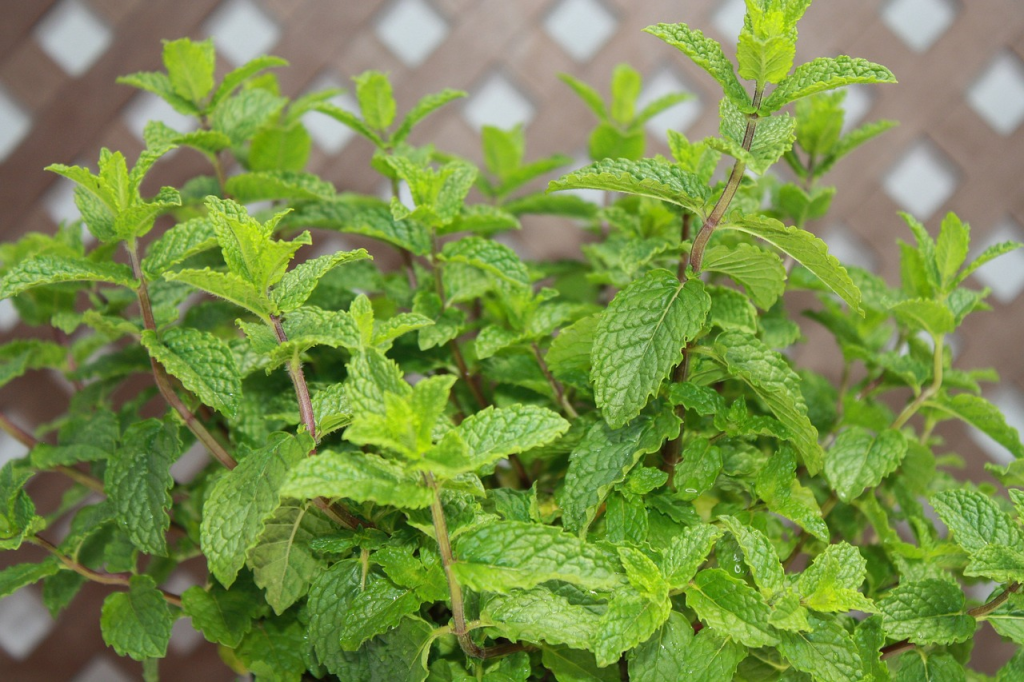
It is used in cooking as an aromatic herb to add flavor and aroma to a variety of dishes. Its leaves are used fresh or dried in salads, dressings, sauces, stews, soups, infusions, cocktails, and desserts. Spearmint is a key ingredient in the preparation of the popular peppermint tea in many cultures.
Fennel
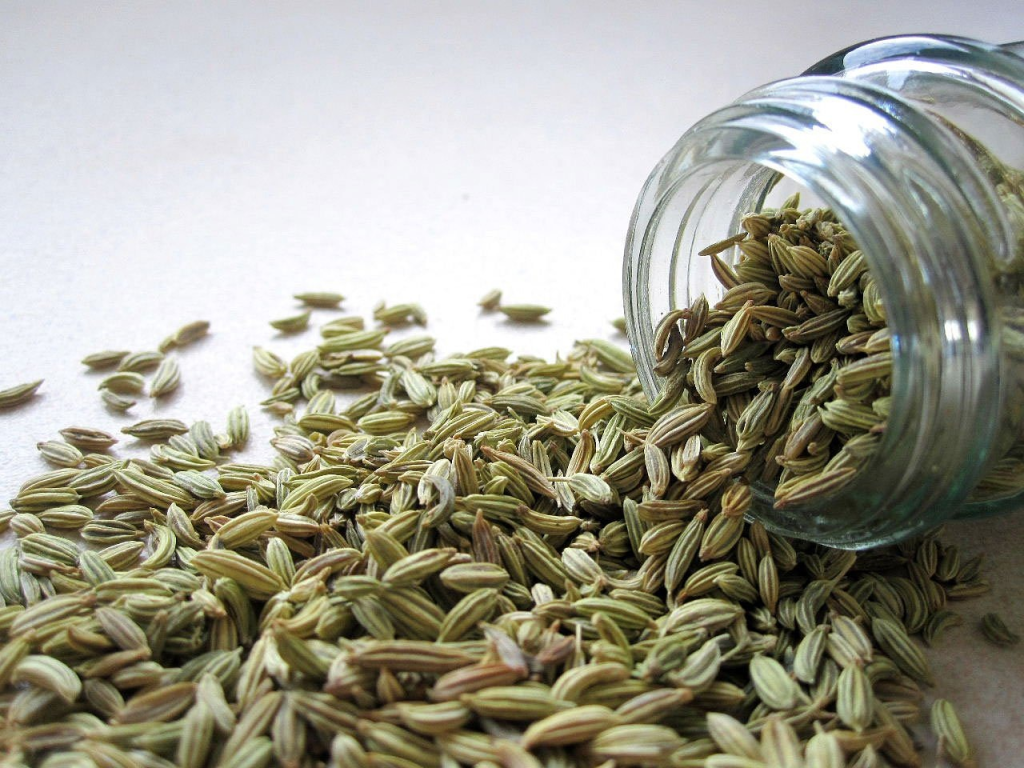
It is a perennial herbaceous plant of the Apiaceae family, known for its distinctive anise-like aroma and flavor. Fennel is widely used in cooking due to its sweet, anise-like flavor. The bulb, leaves, and seeds are all used in various culinary preparations. Fennel bulbs can be eaten raw in salads, thinly sliced, or cooked in dishes such as soups, stews, and stir-fries.
Fennel leaves are used as an aromatic herb to season dishes, while the seeds are used as a spice in baking, sausages, marinades, and dressings. Fennel seeds are used to make infusions.
Marjoram
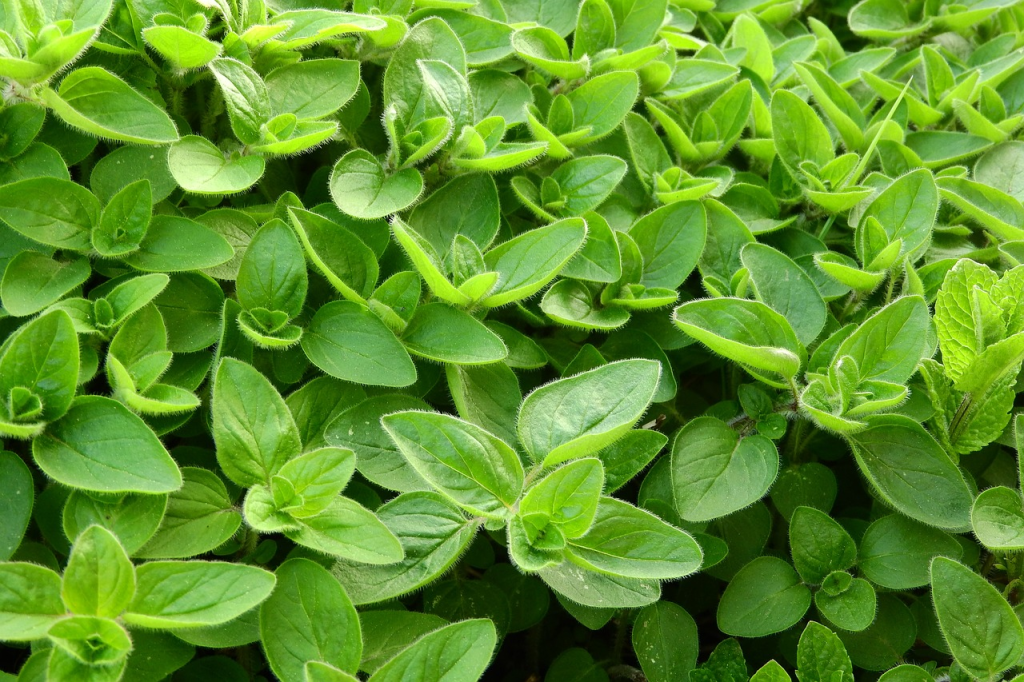
It is a perennial herbaceous plant belonging to the Lamiaceae family. It is characterized by its small leaves and warm, sweet aroma. Marjoram is used as an aromatic herb in cooking, especially in Mediterranean cuisine.
Its leaves are used fresh or dried to flavor a variety of dishes, including sauces, stews, soups, marinades, and meat, poultry, and fish dishes. Marjoram adds a delicate, slightly spicy flavor to culinary preparations.
Savory
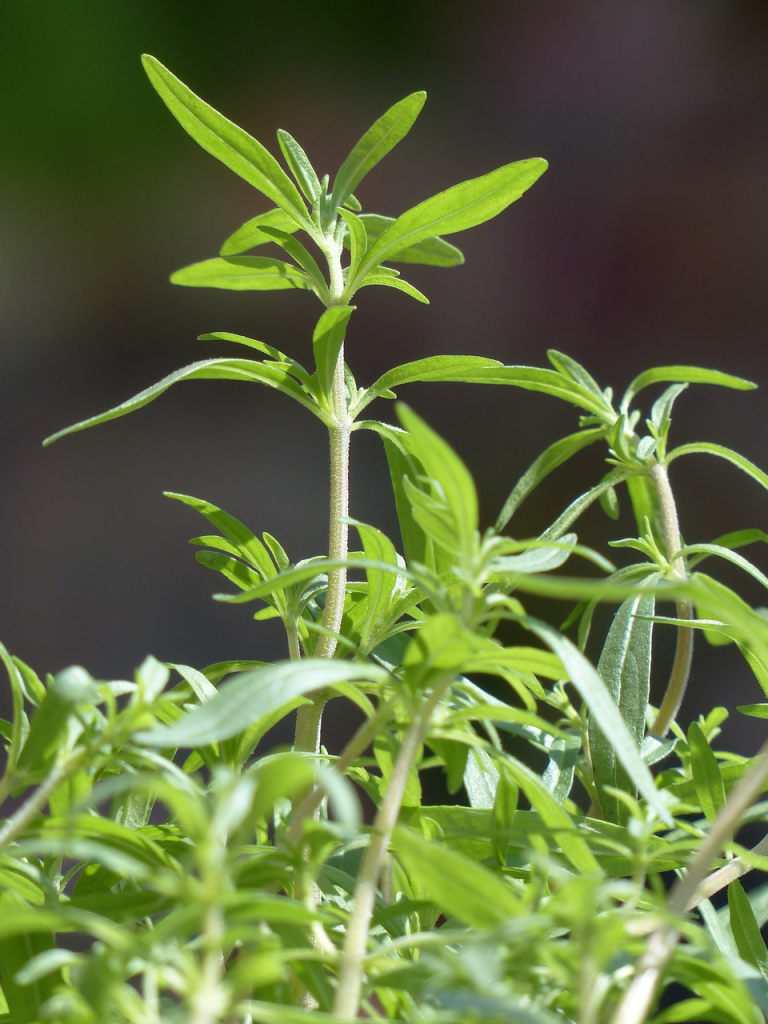
It is a perennial herbaceous plant belonging to the Lamiaceae family. There are several species of savory, such as garden savory (Satureja hortensis) and mountain savory (Satureja montana), which share similar characteristics and are used for culinary and medicinal purposes. Savory is used as an aromatic herb in Mediterranean cuisine.
Its leaves are used fresh or dried to flavor a variety of dishes, including soups, stews, sauces, marinades, meat and fish dishes.
Savory adds a spicy, slightly bitter flavor to culinary preparations. It pairs well with other ingredients and spices, such as tomato, garlic, oregano, and basil.
Parsley
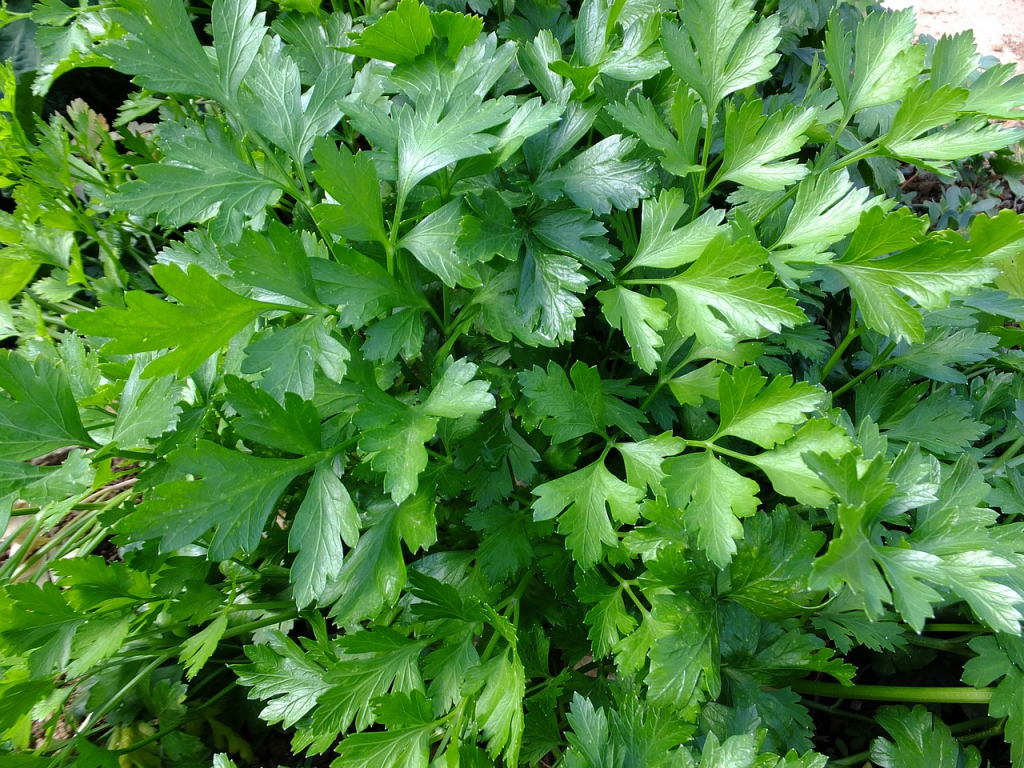
Parsley is widely used in cooking. Its fresh or dried leaves are added to a variety of dishes to provide a fresh flavor and aroma. Salads, soups, sauces, dressings, stews, marinades, marinades, meats, fish, and other dishes are used to enhance their flavor and add a touch of freshness.
Oregano
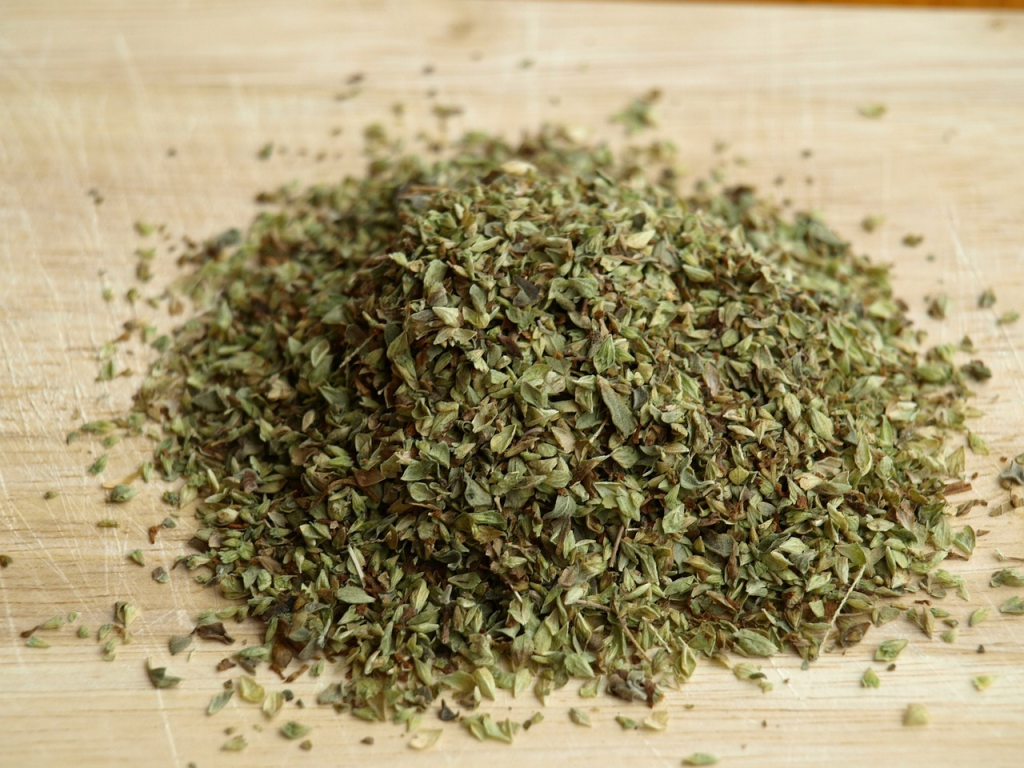
It is an aromatic herb common in Italian and Mediterranean cuisine.
Especially used in tomato sauces and pizzas.
Chive
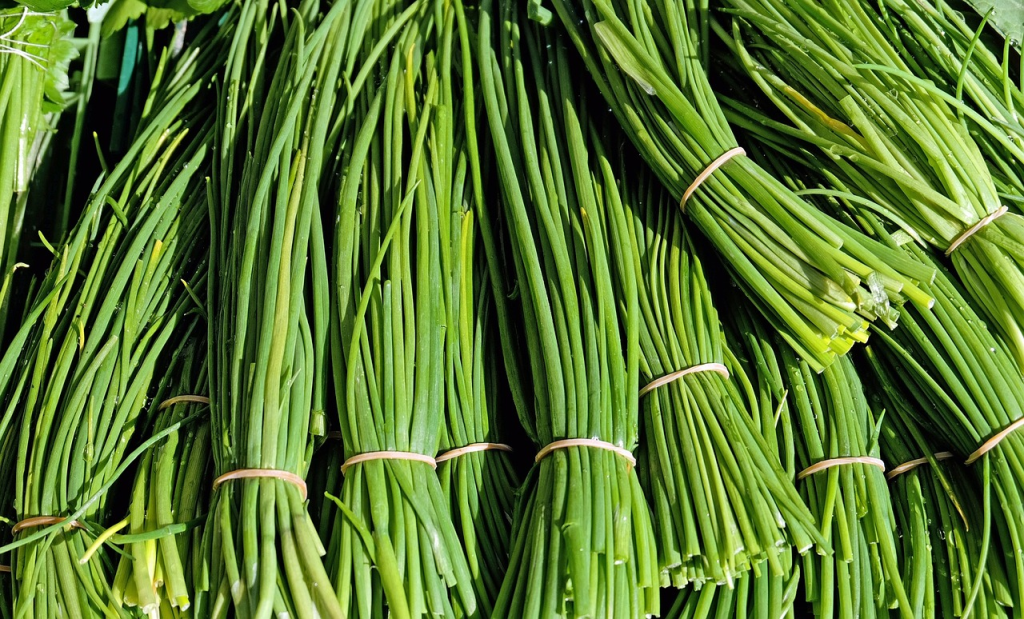
It has a less intense flavor than onion and is used as a fresh condiment to dress garnishes and salads.
It has important vitamins C and A, calcium and iron. It also has digestive and antioxidant properties.
It can be grown in gardens, orchards or pots.
Sources:
 English
  Spanish